Thanks for checking out Juniper Tours’ Travel blog! We hope you enjoyed your read and if you’re looking for more content please check out our other blog posts! If you’re looking for help planning your next travel adventure then book a FREE travel consultation with one of our Travel Specialists today!
Best Time to See the Northern Lights in Iceland
Best Time to See the Northern Lights in Iceland
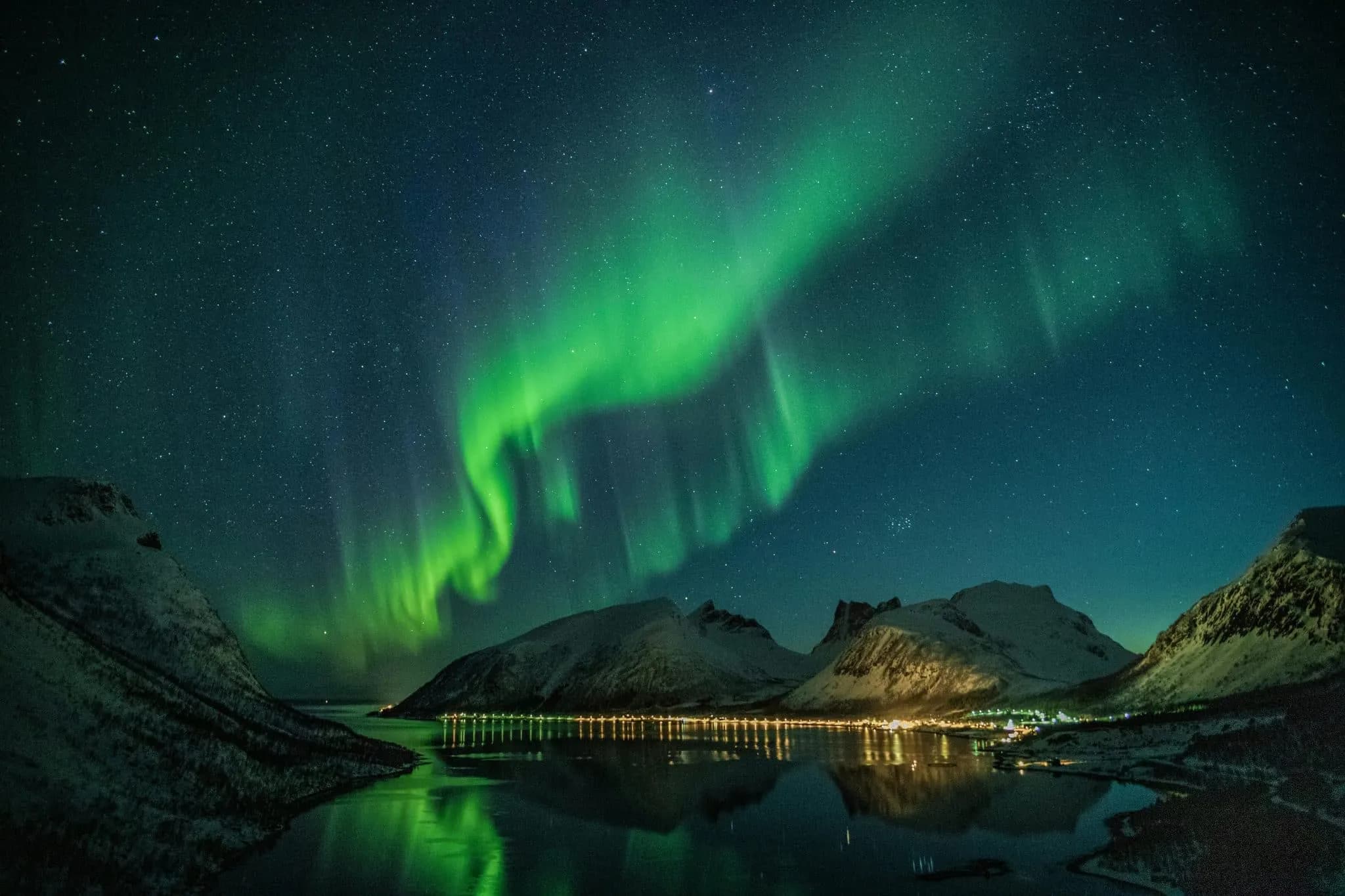
The short answer: late September to early April, with November through February the strongest stretch. Outside that window Iceland simply does not get dark enough — by May the summer light has taken over and the aurora is still there, just invisible.
The longer answer is that timing is only one of four things that decide whether you see them, and it is the one most guides stop at. Below is all four, and what you can actually control.
The Season, Month by Month
Late September to October. The nights are long enough, the roads are still easy, and the landscape has autumn colour rather than snow. An underrated window — you get aurora odds without full winter driving conditions.
November to February. The peak. Up to 19–20 hours of darkness at midwinter, which is the single biggest factor in your favour. It is also the coldest, stormiest stretch, with the most weather-related cancellations and the trickiest driving.
March and early April. Arguably the best compromise of the whole season. Still genuinely dark, noticeably milder, more daylight for actually seeing the country — and the equinox period around late March has a long-observed association with elevated geomagnetic activity.
May to August. Do not plan an aurora trip. The midnight sun means near-permanent twilight; nothing is visible regardless of activity. Go for the summer version of Iceland instead — we cover the trade-offs in the best time to visit Iceland.
Why the Next Few Winters Are Unusually Good
Aurora activity follows an eleven-year solar cycle, and NASA and NOAA confirmed in October 2024 that the Sun had entered the maximum phase of Solar Cycle 25. Activity does not fall off a cliff the moment a maximum passes — the strong years typically run for a while either side of it.
Practically, that means the current run of winters offers the best baseline conditions in over a decade. It does not guarantee you a display on any given night — nothing does — but it meaningfully improves the odds compared with a trip taken at solar minimum.
The Thing That Actually Ruins Aurora Trips: Cloud
Solar activity gets the attention; cloud cover does the damage. A strong aurora above an overcast sky is invisible, and Iceland is a North Atlantic island with fast-moving weather. This is why the single most useful planning decision is not which month — it is how many nights you give yourself.
Three nights is the realistic minimum. Five or more and your odds improve sharply. Couples who build a week around Iceland almost always see something; couples who fly in for a long weekend are gambling. If you take one thing from this page, take that.
The second decision is mobility. Iceland’s weather is intensely local — it can be socked in over Reykjavík and clear an hour inland. Being able to drive to the gap in the cloud, or being on a trip where someone does that for you, is worth more than any forecast app.
Reading the Forecast
The Icelandic Meteorological Office publishes the aurora forecast most locals actually use, combining a geomagnetic activity index with a cloud-cover map — and it is the cloud map that should decide your evening. A low activity reading under clear skies beats a high reading under thick cloud almost every time.
We go deeper on how to read the numbers in our Iceland aurora forecast guide. The habit worth building: check it in the late afternoon, decide where you are driving that night, and be willing to be out at eleven when it looks quiet at nine.
Where to Watch From
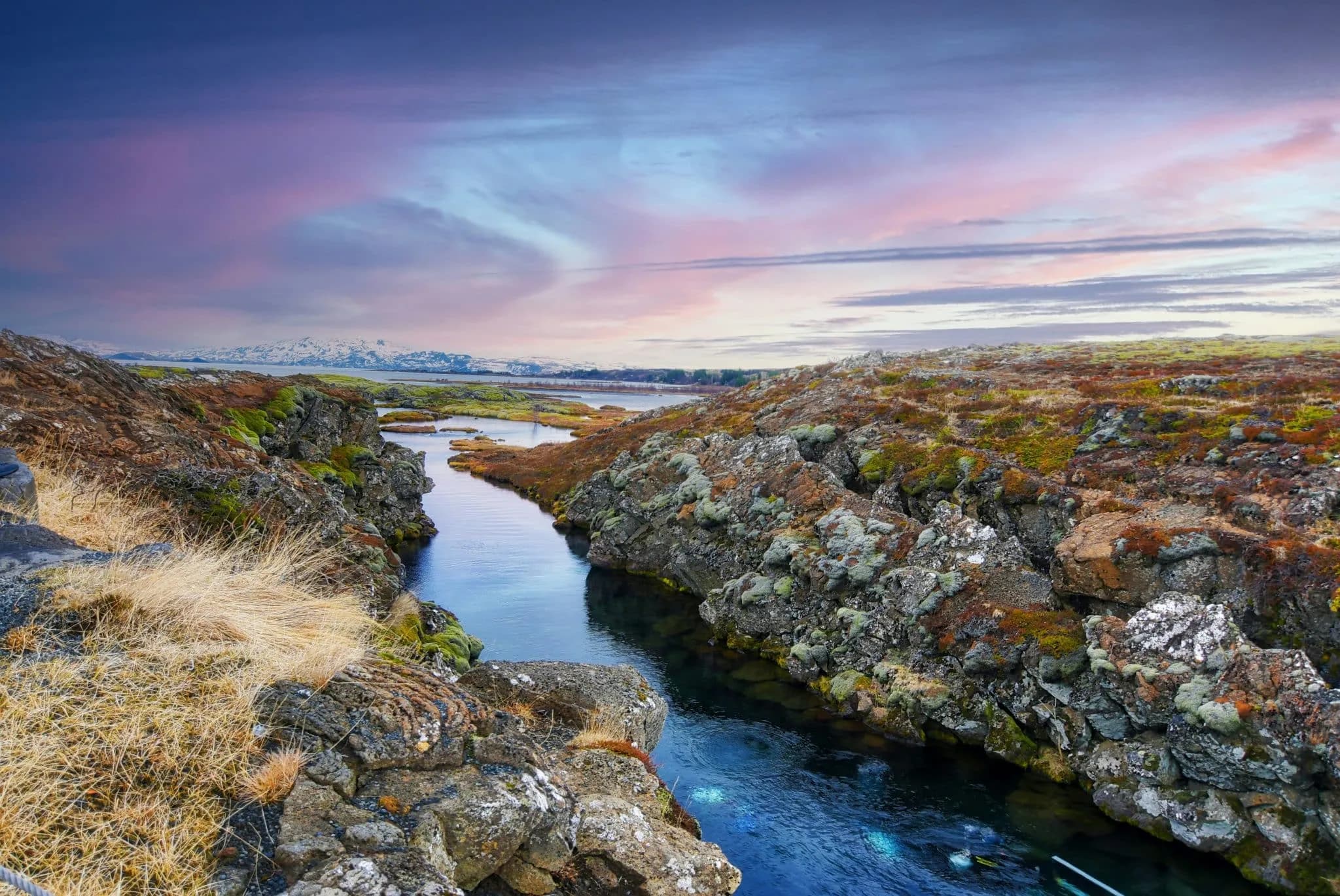
You need dark sky and an open northern horizon, which mostly means getting away from Reykjavík’s light dome. Thingvellir National Park is the easiest serious dark-sky site from the capital and folds into a Golden Circle day. The Snæfellsnes Peninsula gives you Kirkjufell in the foreground, which is why you have seen that photograph a thousand times. Jökulsárlón on the south coast puts the lights above a glacier lagoon and is worth the drive if you have the nights. The Westfjords are the darkest and least visited, and the hardest to reach in deep winter.
You do not have to go far. On a strong night the aurora is visible from the edge of town — but the further from streetlights you get, the more of it you see.
How to Build the Trip
Treat the aurora as a bonus layered onto a good Iceland trip, never as the itinerary itself. Couples who plan five days of waterfalls, ice caves, hot springs and coastline — and treat every clear night as an opportunity — come home happy whether or not the sky performs. Couples who plan an “aurora trip” and get a week of cloud come home disappointed having seen the same country.
Our self-drive Iceland trips suit aurora chasing well for exactly the mobility reason above, and the Fire & Ice tour covers the winter landscape properly. If you want the commercial options compared, see Iceland northern lights tours.
Planning Yours
Tell us your dates and how many nights you can give it, and an Iceland specialist will tell you honestly what your odds look like and how to improve them — including whether your dates are worth rethinking.