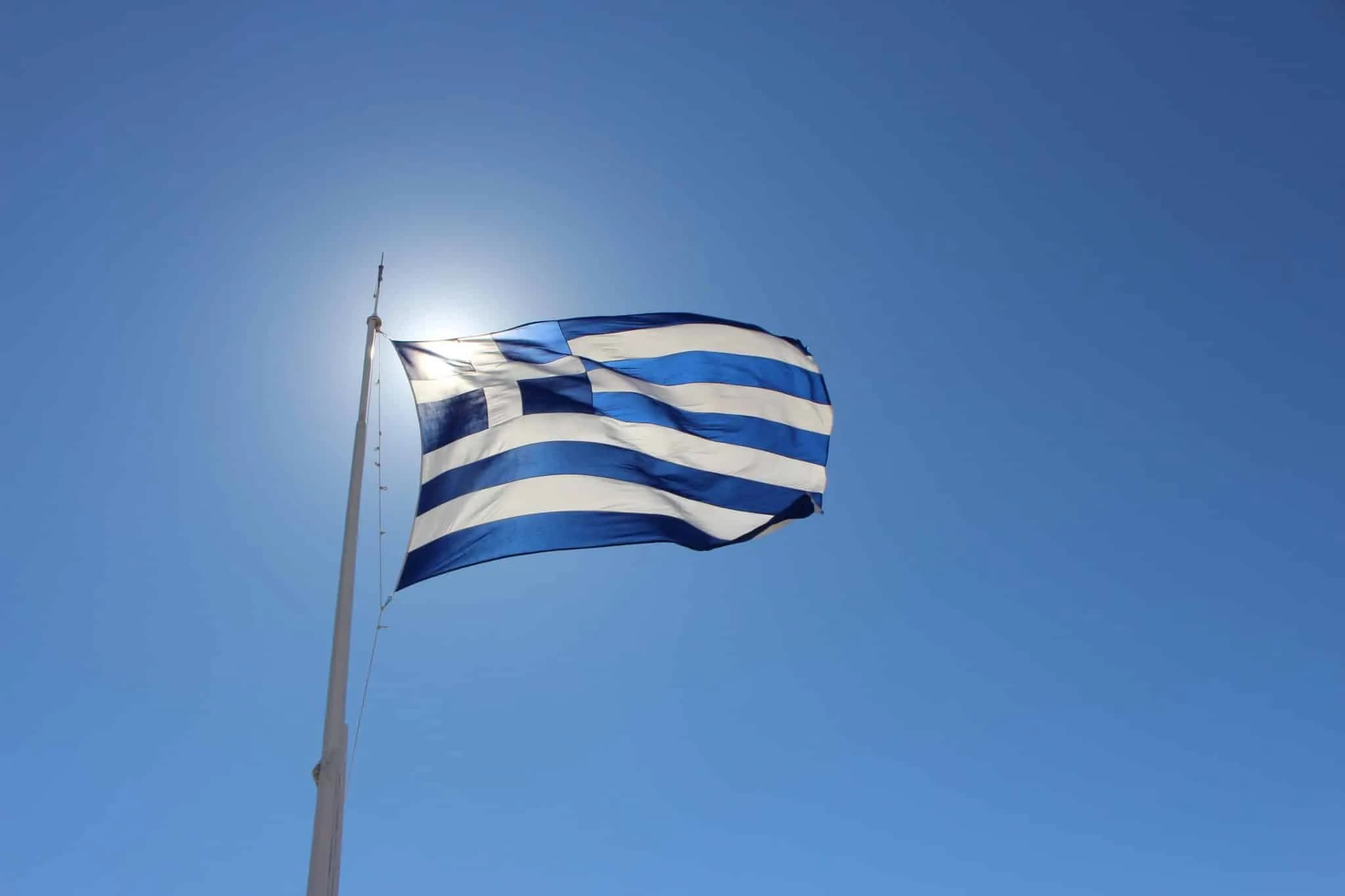
The Greek War of Independence (1821–1830) was the revolution that created modern Greece. After nearly four centuries of Ottoman rule, Greeks rose up in the Peloponnese, central Greece and the islands in March 1821. The war dragged on for years until Britain, France and Russia intervened, destroying the Ottoman-Egyptian fleet at Navarino in 1827 and recognizing an independent Greek state in 1830.
Many of the places where it was fought are among the most beautiful in Greece — and easy to add to a trip. Here is the story in brief, and where to see it.
| Greek War of Independence | |
|---|---|
| Dates | March 1821 – 1830 (borders fixed in 1832) |
| Fought between | Greek revolutionaries and the Ottoman Empire, joined by Egyptian forces from 1824 |
| Turning point | Battle of Navarino, October 20, 1827 |
| Result | Independence recognized in the London Protocol, February 3, 1830 |
| First capital | Nafplio, until the move to Athens in 1834 |
| Commemorated | Greek Independence Day, March 25 |
What caused the Greek War of Independence?
The Ottoman Empire had ruled most of Greece since the 15th century. By the early 1800s, Greek merchants and shipowners had grown rich, Greek scholars abroad were spreading Enlightenment ideas and the memory of ancient Greece, and the French Revolution had shown that empires could be challenged. In 1814, three Greek merchants founded a secret society in Odessa, the Filiki Eteria (“Society of Friends”), to prepare an uprising. By 1821 it had thousands of members across the Greek world.
What were the key events of the war?
- March 1821 — the uprising. Revolts broke out across the Peloponnese, beginning in Mani and Kalamata. Tradition places the proclamation at the monastery of Agia Lavra near Kalavryta on March 25, now Greek Independence Day.
- Autumn 1821 — the fall of Tripolitsa. Greek forces under Theodoros Kolokotronis captured the main Ottoman stronghold in the Peloponnese, followed by a massacre of its Muslim and Jewish inhabitants — one of several atrocities committed by both sides.
- 1822 — Chios. Ottoman forces massacred and enslaved much of the island’s population, an event that shocked Europe and inspired Delacroix’s painting The Massacre at Chios.
- 1824 — Byron dies at Missolonghi. The English poet Lord Byron had spent his fortune on the Greek cause. His death from fever in April 1824 turned him into a symbol of philhellenism and drew wider support from across Europe.
- 1825–1826 — Egypt joins the war. Ibrahim Pasha’s Egyptian army landed in the Peloponnese and nearly crushed the revolution. After a year-long siege, the starving defenders of Missolonghi tried to break out in April 1826; most were killed.
- October 20, 1827 — Navarino. A combined British, French and Russian fleet destroyed the Ottoman-Egyptian fleet in the bay of Navarino, at today’s Pylos. It was the last major battle fought entirely between sailing ships, and it made Greek independence all but certain.
- 1828 — Kapodistrias arrives. Ioannis Kapodistrias, a former Russian foreign minister from Corfu, became the first governor of Greece, based in Nafplio. He was assassinated there in 1831.
- 1830–1833 — a kingdom. The London Protocol of February 3, 1830 recognized an independent Greece. The Great Powers chose a 17-year-old Bavarian prince, Otto, as king; he arrived at Nafplio in February 1833.
Who were the heroes of the Greek revolution?
- Theodoros Kolokotronis — the most famous military leader of the war, victor at Tripolitsa and at Dervenakia in 1822. His statue stands outside the National Historical Museum in Athens.
- Laskarina Bouboulina — a shipowner from Spetses who funded and commanded her own ships, one of the war’s best-known figures. Her family home on Spetses is now a museum.
- Andreas Miaoulis — admiral of the Greek fleet, from the island of Hydra, whose shipowning families paid for much of the navy.
- Ioannis Kapodistrias — the first head of state of independent Greece.
- Lord Byron — the most famous of the foreign philhellenes, still honored in Greek street names across the country.
Which Greek War of Independence sites can you visit?
- Nafplio — Greece’s first capital and one of its most elegant towns. Climb to the Palamidi fortress, which Greek fighters captured in 1822, visit the church of Agios Spyridon where Kapodistrias was shot (the mark of a bullet is still shown in its wall), and walk the Venetian lanes of the old town.
- Athens — the National Historical Museum in the Old Parliament building on Stadiou Street holds weapons, flags, portraits and personal belongings of the revolution’s leaders, including relics of Byron.
- Kalavryta and Agia Lavra — the monastery where the revolution was traditionally proclaimed keeps the banner associated with 1821, in a mountain setting reached by the Diakopto–Kalavryta rack railway through the Vouraikos gorge.
- Pylos (Navarino) — a lovely harbor town on the bay where the 1827 battle was fought, with a fortress and memorials to the allied sailors. It pairs well with a stay in Messinia.
- Missolonghi — the “Sacred Town”, with the Garden of Heroes, where the defenders of the 1826 siege are buried and a statue of Byron stands.
- Hydra and Spetses — the island homes of the naval families that funded the fleet, with captains’ mansions and harbors that look much as they did two centuries ago. Hydra still has no cars at all.
Most of these sites are in the Peloponnese and easy to link in a few days by car. Our Treasures of Mainland Greece itinerary combines Athens, Delphi, Meteora, Olympia and the Peloponnese, and can be built around Nafplio and the revolution’s history. A private historian-guide makes the biggest difference at Nafplio and in Athens.
How is the war remembered today?
Every year on March 25, Greece celebrates Independence Day with school and military parades, church services for the Annunciation, and a traditional lunch of fried salt cod. See our guide to Greek Independence Day for what happens and what is closed. In 2021, Greece marked the bicentenary of the revolution with a year of exhibitions and events.
Frequently asked questions
How long did the Greek War of Independence last?
About nine years: from March 1821 until the London Protocol recognized Greek independence in February 1830. The final borders were agreed with the Ottoman Empire in 1832.
Who helped Greece win its independence?
Britain, France and Russia. Their combined fleet won the Battle of Navarino in 1827, and they guaranteed the new state. Thousands of foreign volunteers, the philhellenes, also fought for Greece.
Why is it celebrated on March 25?
Tradition holds that the revolution was proclaimed at Agia Lavra on March 25, 1821, the feast of the Annunciation. The date was fixed as a national holiday in 1838.
What was the first capital of Greece?
Nafplio, in the Peloponnese. The capital moved to Athens in 1834.
For more about the country, read our fun facts about Greece and our guide to the top things to do in Athens.
Planning a trip to Greece
Juniper Tours designs private, custom Greece itineraries — never group tours, never fixed departures. Most run 10–14 days and fall between about $5,000 and $15,000+ per person, with hand-selected stays, private transfers and island connections arranged end to end. Planned by Kaycee Shields. The 30-minute consultation is free; a $100 planning deposit begins your itinerary. See our private Greece tours →
Greece trips are designed by Kaycee Shields — book a call.