Tokyo · Hakone · Takayama · Kanazawa · Kyoto · Kurashiki · Hiroshima · Osaka
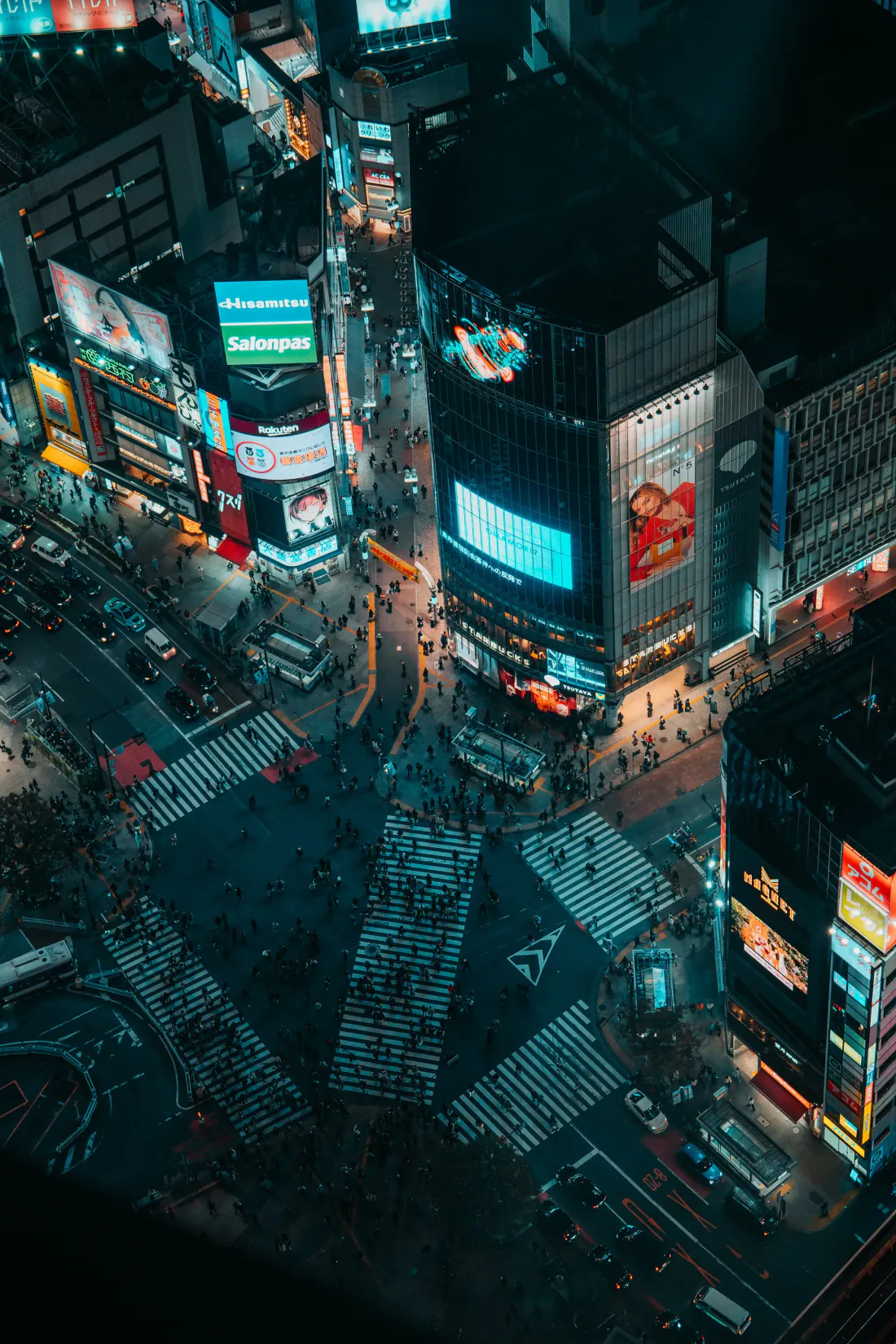
Four days to take Tokyo at its own pace. An English-speaking assistant meets you the moment you clear customs at Haneda or Narita, hands over your documents, rail tickets and travel passes, and helps with anything you need at the airport — setting up a local SIM, answering first questions — before walking you to your waiting private transfer and settling you into Hotel Groove Shinjuku (or similar). From there your specialist threads the days between the city's two faces — the immersive digital art of teamLab, a Tsukiji food tour with a hands-on sushi tasting, the controlled chaos of the Shibuya scramble, and the fashion theatre of Harajuku.
There is room here for the quiet city too: a morning walking Yanaka, the old-town district of temples, wooden shopfronts and lanes the war and the developers never reached. One day slips out to Kamakura, the seaside former capital, for its giant bronze Great Buddha and the coastal temples set against the Pacific. Tokyo holds more Michelin stars than any city on earth, and your evenings are booked to match.
Travel to Hakone, the hot-spring resort in the foothills of Mt Fuji. A cruise across Lake Ashi sets the mountain mirrored on the water on a clear day; the Hakone Open-Air Museum scatters sculpture across the hills, and the Owakudani ropeway carries you over the steaming volcanic valley below.
The heart of the stay is Hakone Kowakien Tenyu, a traditional ryokan. Change into a yukata, sink into the natural onsen baths fed by the mountain, and sit down to a multi-course kaiseki dinner — each plate a small seasonal study. It is the single most restorative stretch of the trip.
Into the mountains of the Japanese Alps and the old castle town of Takayama, settling into Hidatei Hanougi, a traditional ryokan. Wander the dark-timbered merchant houses of the Sanmachi Suji district, browse the Miyagawa morning market along the river, taste the celebrated marbled Hida beef, and step inside the sake breweries that have worked these streets for centuries.
A countryside excursion reaches Shirakawa-go, the UNESCO-listed village of steep-thatched gassho-zukuri farmhouses — their roofs built like praying hands to shed the heavy alpine snow. It is one of the most quietly beautiful corners of rural Japan.
On to Kanazawa, the refined castle town spared the bombs and rich in craft. At its centre lies Kenrokuen, ranked among Japan's three great gardens — a masterwork of ponds, streams and teahouses tuned to every season. A gold-leaf artisan workshop reveals the city's signature craft, used on temples and lacquerware alike.
Wander the Higashi Chaya geisha district of latticed teahouses, graze the stalls of the Omicho seafood market, and step inside the preserved samurai residences of the old Nagamachi quarter, where earthen walls and inner gardens recall the warrior class that once lived here. Nights are spent at Kanazawa Chaya, a traditional ryokan.
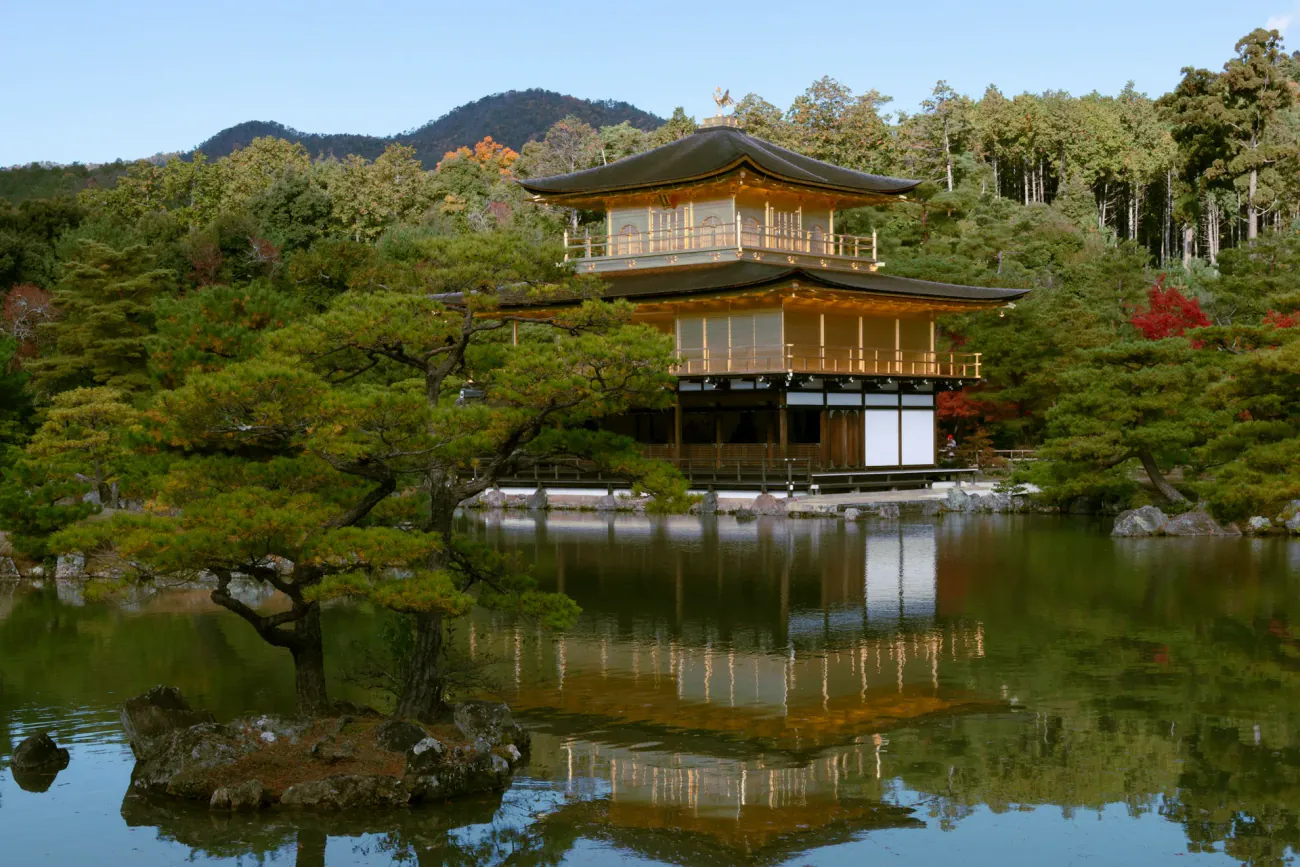
Three days in the thousand-year imperial capital, home to more than 1,600 temples, with Dhawa Yura Kyoto as your base. Climb the endless vermilion torii of Fushimi Inari in the early quiet, sit for a private tea ceremony with a master, walk the towering Arashiyama bamboo grove, and stand before Kinkaku-ji, the Golden Pavilion mirrored in its pond.
One day slips out to Nara, Japan's first permanent capital, where sacred deer roam the park freely and the Great Buddha of Tōdai-ji — one of the largest bronze figures on earth — sits in its vast wooden hall. Evenings return you to Kyoto's quieter register: lantern-lit Gion, a kaiseki dinner, a stroll along the Philosopher's Path.
Travel to Kurashiki and its beautifully preserved Bikan Historical Quarter — white-walled rice warehouses and willow-lined canals from the Edo era, now a gallery and craft district — settling into Ryokan Kurashiki, a traditional inn. Drift the canal by boat, then step into the Ohara Museum of Art, Japan's first museum of Western art, with works by El Greco, Monet and Picasso.
Kurashiki is also the birthplace of Japanese denim; a visit to its artisan workshops shows the indigo-dyeing and selvedge weaving that made the region famous. Close the day with sunset from Mount Washu, looking out over the islands of the Seto Inland Sea and the great suspension bridges that stitch them together.
Arrive in Hiroshima, a city of resilience and grace, with two nights at Hotel Granvia Hiroshima beside the station. The Peace Memorial Park is quietly devastating and quietly hopeful — the A-Bomb Dome, the museum and the cenotaph reframe the whole journey, and your guide gives the day the time and quiet it deserves.
Lunch is Hiroshima-style okonomiyaki, layered and griddled the local way over a teppan. In the afternoon there is the serene strolling landscape of Shukkeien Garden — its miniature ponds, bridges and teahouses laid out like a painting — before an unhurried evening back in the city.
A short ferry reaches the sacred island of Miyajima, where the great vermilion torii of Itsukushima Shrine appears to float on the water at high tide — one of Japan's most photographed and most moving sights, and worth the full day it now gets.
Beyond the shrine the island unfolds: wild deer wandering the lanes, the Daisho-in temple complex climbing the hillside, the Momijidani maple valley, and the ropeway up Mt Misen for views across the Inland Sea. Graze the grilled-oyster and momiji-manju stalls of Omotesando before the ferry back, then a second night at Hotel Granvia Hiroshima.
Osaka, Japan's exuberant kitchen and the lively counterpoint to Kyoto's calm, with the final night spent at the Hilton Osaka. By night, Dōtonbori: the neon canyon of running-man signs, takoyaki and okonomiyaki, and street food your guide steers you toward. By day, graze the stalls of Kuromon Market, take in the city from the floating-garden observatory of the Umeda Sky Building, and save time for last-minute shopping along Shinsaibashi.
On the final morning, a private transfer brings you to Kansai International Airport for your flight home. Most travelers leave Japan already planning a return — for the seasons, regions and meals there wasn't time for. Your Juniper specialist remains reachable throughout departure day, so the last hours are as smooth as the first.
This is a sample custom route — a starting point, not a fixed package. Many clients travel something very close to this. Book a free consultation and a specialist will build from here.
Your specialist pre-arranges the right luxury experiences based on your interests and travel style. These are the custom experience types available on this route — specific choices are made with you, not for you.
Activities are selected and pre-booked with your specialist based on your interests — not all activities are included in every trip version. Availability varies by season.
You work directly with a specialist who knows Japan deeply — not a call center or booking agent. Every consultation is with someone who has been there, stayed in those hotels, and knows the country inside out.

Alli is a dual citizen of the US and UK, raised between California and Europe, who spent years exploring Southeast Asia — Japan among her favorites. She designs bespoke private itineraries from scratch, built entirely around how you like to travel.
Book a Consultation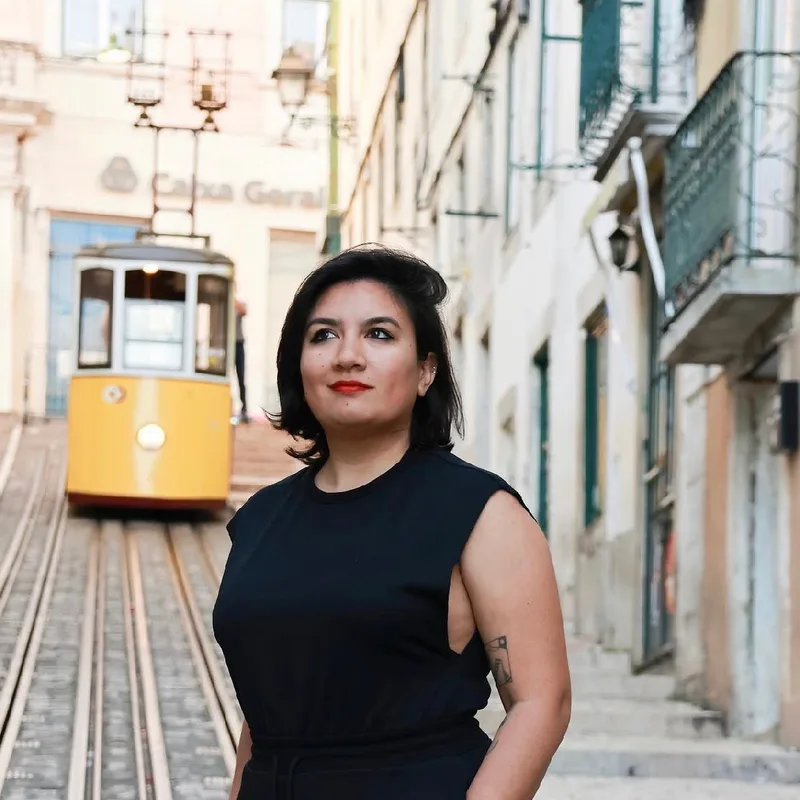
Raised in one of the country’s largest Japanese-American communities, Cherisse has explored 21 countries and counting. A self-proclaimed foodie, she believes the best way to know Japan is through its cuisine — and designs every itinerary from scratch around you.
Book a Consultation30 minutes, completely free. Walk away with a clear picture of what your luxury custom Japan trip could look like — dates, route, 4 and 5-star accommodations, and all.