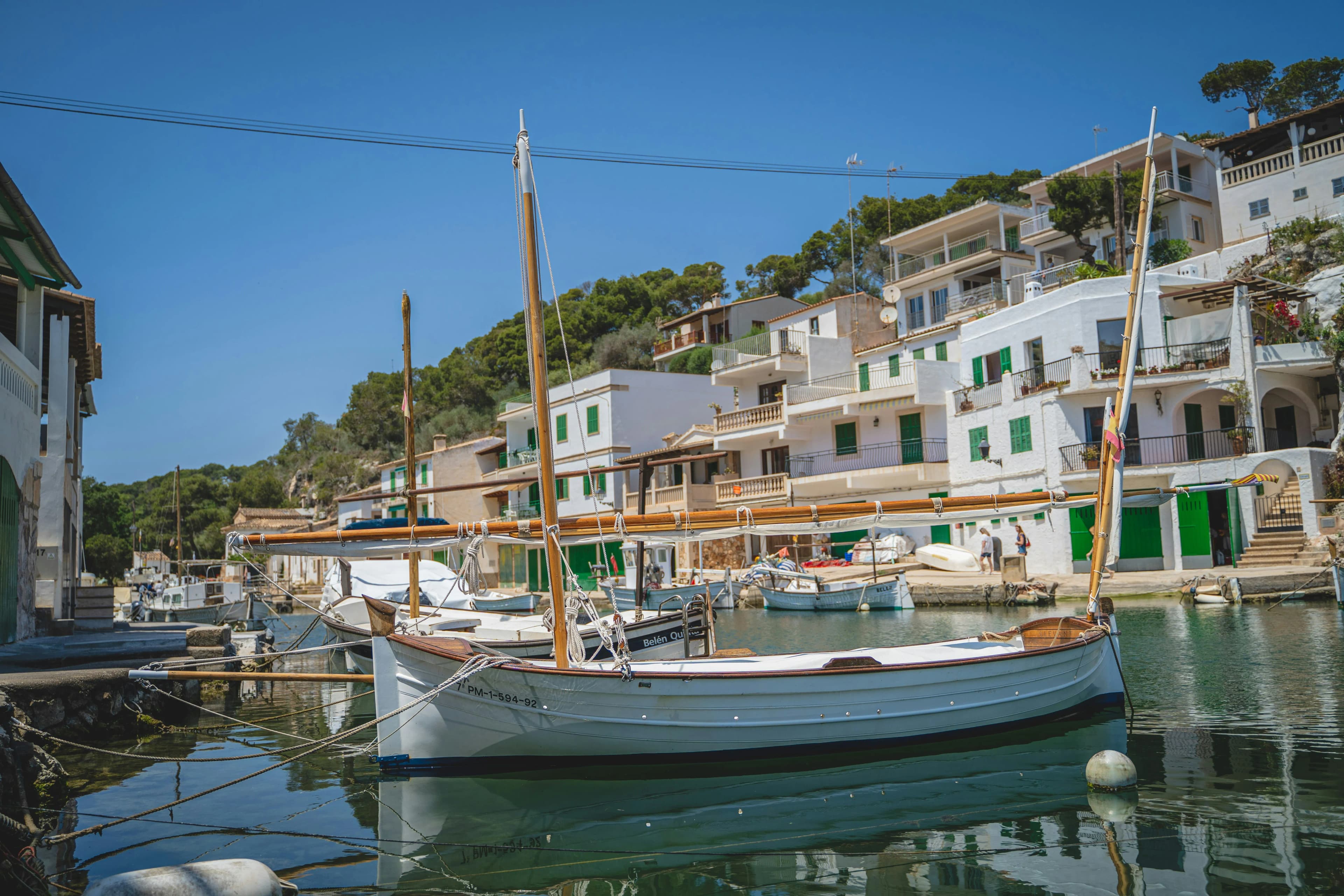

The best way to see Spain and Portugal in one trip is a two-week loop through Porto, Lisbon, Seville, Granada, Barcelona and Madrid — six cities, two countries and the Douro, Sintra and the Alhambra along the way, with no backtracking. With 10 days, drop Barcelona or Porto and keep the rest.
Below is the route our Spain and Portugal specialists plan most often: how long to spend in each place, how to get between them, when to go, and what to add if you have more time.
| Stop | Nights | Highlights | Getting there |
|---|---|---|---|
| Porto and the Douro Valley | 3 | Ribeira waterfront, port lodges, Douro quinta tasting | Fly into Porto (OPO) |
| Lisbon and Sintra | 3 | Alfama, Belém, fado, Pena Palace | Private drive via Coimbra |
| Seville | 2 | Real Alcázar, Cathedral, flamenco in Triana | About 1 hour by air, or a 5-hour drive via the Algarve |
| Granada | 1 | The Alhambra, the Albaicín | About 2.5 hours by car |
| Barcelona | 3 | Sagrada Família, Park Güell, the Gothic Quarter | About 1.5 hours by air |
| Madrid | 1 | The Prado, Retiro Park | About 2.5 hours on the AVE high-speed train |
How many days do you need for Spain and Portugal?
Plan on 14 days to see the highlights of both countries without rushing, or 10 days for a shorter version. Two weeks gives you about six days in Portugal and eight in Spain, enough for the big cities plus the Douro Valley, Sintra and the Alhambra. With 10 days, pick either Porto or Barcelona rather than trying to fit both. With three weeks or more, add the Algarve, Córdoba, San Sebastián or a few days in the Azores.
The classic route: Porto to Madrid
Starting in Porto and finishing in Madrid (or the reverse) means flying into one city and out of another, so you never retrace your steps. Book an open-jaw ticket from the US: there are nonstop flights to Lisbon and Madrid from several US hubs, and good one-stop connections to Porto and Barcelona.
Porto and the Douro Valley (3 nights)
Portugal’s second city sits on the steep banks of the Douro. Spend a day on foot around the UNESCO-listed Ribeira district, São Bento station and its blue-and-white azulejo tiles, and the Clérigos Tower, then cross the Dom Luís I Bridge to the port lodges of Vila Nova de Gaia. Give a second day to the Douro Valley, where terraced vineyards line the river and the quintas pour port and Douro reds. Our Porto and Douro Valley trip covers this region on its own.
Coimbra and on to Lisbon
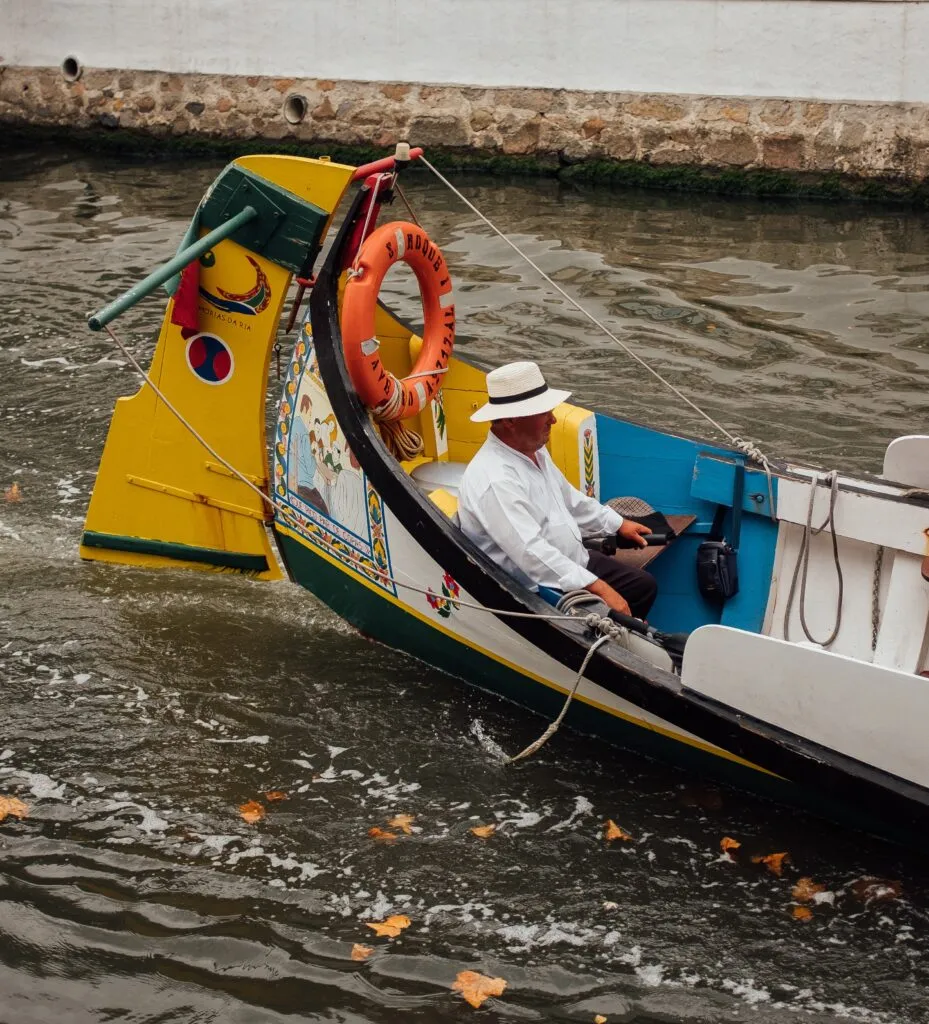
Between Porto and Lisbon, break the three-hour drive in Coimbra, home to one of Europe’s oldest universities and its gilded baroque Joanina Library. With an early start, you can add a short stop in Aveiro, known for its canals and painted moliceiro boats.
Lisbon and Sintra (3 nights)
Lisbon rewards slow days: the Alfama’s lanes and viewpoints, the São Jorge castle, the Jerónimos Monastery and Belém Tower, a custard tart at the bakery in Belém, and fado at night in Mouraria. Take a day for Sintra, 40 minutes away, where Pena Palace and Quinta da Regaleira sit in wooded hills above the coast. Book timed entry to Pena Palace and go early. For more time in the capital, see our Lisbon city stay, and for a deeper look at the country, our guide to the major cities of Portugal.
Crossing into Spain: Lisbon to Seville
There is no fast train between Lisbon and Seville. Most travelers take the one-hour flight, or a private driver for about five hours via the Algarve coast, which lets you stop for lunch in Faro or Lagos. With two extra days, spend a night or two on the Algarve. Our guide to Portugal’s best beaches covers the coast.
Seville (2 nights)
Seville is the heart of Andalusia. Tour the Real Alcázar, a royal palace of tiled courtyards and gardens, then the Cathedral and the Giralda tower. Walk the orange-tree lanes of the Santa Cruz quarter, see the tiled alcoves of the Plaza de España, and finish with flamenco in Triana. Book timed tickets for the Alcázar ahead of time, especially in spring.

Granada and the Alhambra (1 night)
Granada is about two and a half hours from Seville by car. The reason to come is the Alhambra, the Nasrid palace complex above the city. Entry to the Nasrid Palaces is by a timed ticket that sells out weeks ahead in high season, so book as soon as your dates are set. At sunset, walk up into the Albaicín to the Mirador de San Nicolás for the classic view of the Alhambra against the Sierra Nevada.
Barcelona (3 nights)
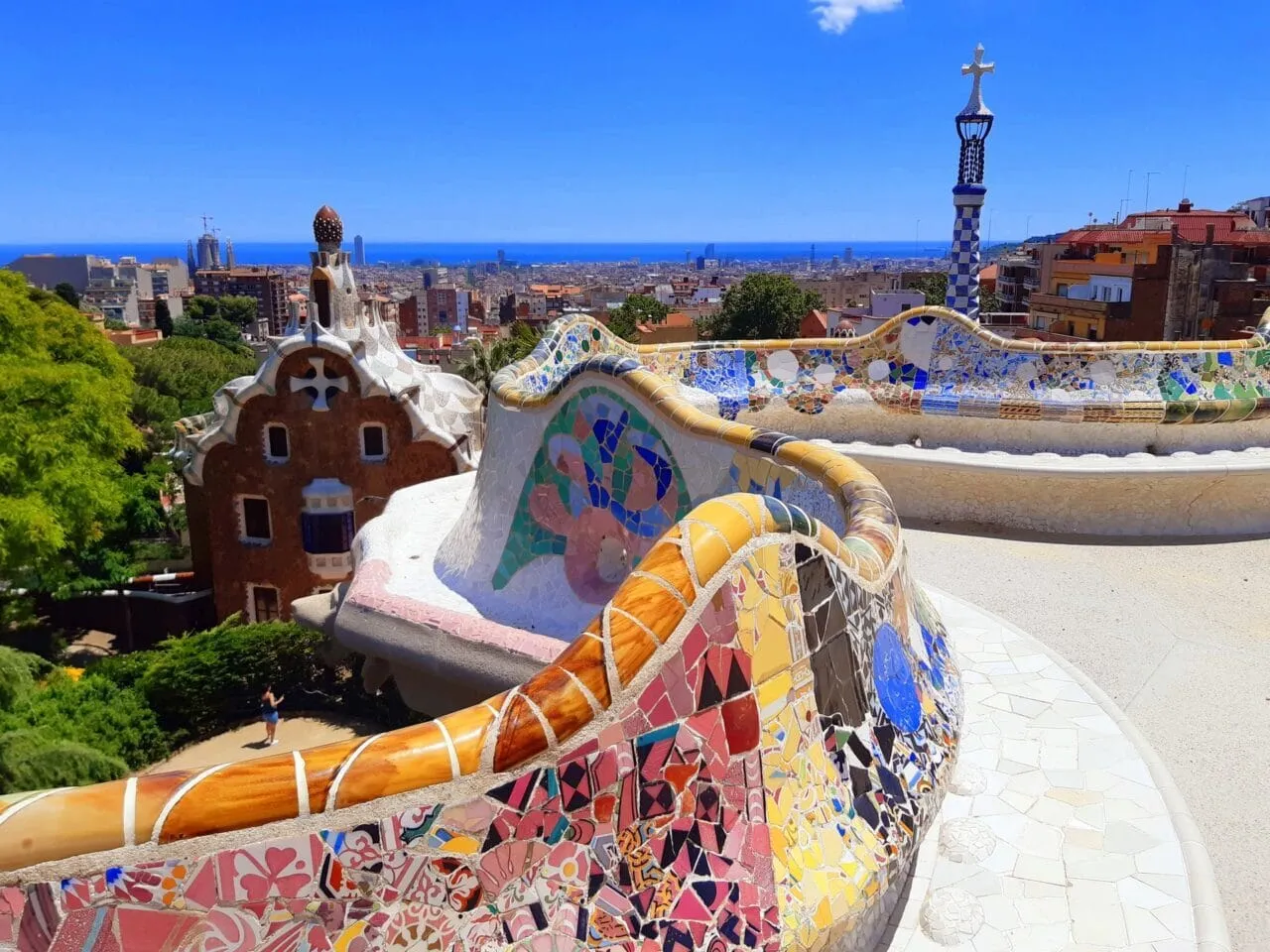
A short flight takes you from Granada to Barcelona and the Mediterranean. Give a day to Gaudí: the Sagrada Família, Casa Batlló and Casa Milà on the Passeig de Gràcia, and Park Güell. Spend another day on the Gothic Quarter, El Born, La Boqueria market and Montjuïc. Book timed tickets for the Sagrada Família and Park Güell before you travel. For more of the coast, see Best of Mediterranean Spain.
Madrid (1 night or more)
The AVE high-speed train links Barcelona and Madrid in about two and a half hours. In Madrid, spend your time at the Prado, Retiro Park and the tapas bars of the Barrio de las Letras before flying home. If art is your focus, add a night for the Reina Sofía and Thyssen museums. Our guide to Spain’s best museums can help you choose.
What does a 10-day Spain and Portugal itinerary look like?
With 10 days, keep to one corner of each country. A good shorter version is Lisbon (3 nights, with a day in Sintra), Seville (3 nights, with a day trip to Córdoba), Granada (1 night) and Madrid (2 nights). Fly into Lisbon and home from Madrid, which leaves Porto and Barcelona for a future trip. For a Spain-only version, see our 10-day Spain itinerary.
What can you add with more time?
- The Algarve: two nights of cliffs and beaches between Lisbon and Seville.
- Córdoba: the Mezquita, an easy day trip from Seville by train.
- San Sebastián and the Basque Country: pintxos bars and some of Spain’s most celebrated restaurants, a short flight from Barcelona or Madrid.
- The Azores or Madeira: volcanic Atlantic islands, about two hours by air from Lisbon. Our Azores island-hopping trip combines well with Lisbon.

When is the best time to visit Spain and Portugal?
April to June and September to October are the best months. The weather is warm without being punishing, and the crowds are thinner than in summer. September and early October are also harvest season in the Douro. July and August bring very hot afternoons to Seville, Córdoba and Granada, and the coast is at its busiest. Winter is mild in Lisbon and Andalusia and quiet everywhere, a good time for the cities and museums.
What food and wine should you plan around?
Spain
Plan a tapas evening in Seville, a long lunch of jamón ibérico, and Catalan cooking in Barcelona. For wine, try Rioja and Ribera del Duero reds, sherry from Jerez near Seville, and cava from Catalonia. Our guide to the best food regions in Spain goes deeper.
Portugal
Try pastéis de nata in Lisbon, bacalhau (salt cod) cooked a dozen ways, grilled sardines in early summer, and Porto’s francesinha. To drink, try port in Vila Nova de Gaia, Douro reds at the quintas, and light, crisp vinho verde from the north.
Which festivals are worth timing your trip around?
- Semana Santa (Holy Week), March or April: candlelit processions in Seville, Málaga and Granada. Book far ahead.
- Feria de Abril, Seville, spring: a week of flamenco dresses, horses and casetas, usually two weeks after Easter.
- Santo António, Lisbon, June 12–13: grilled sardines and street parties in the Alfama.
- São João, Porto, night of June 23: the city’s biggest party, ending in fireworks over the Douro.
- Douro harvest, September: grape picking and tastings at the quintas.
- La Mercè, Barcelona, late September: human towers, parades and concerts.
See our guide to festivals in Spain for the full calendar.
Is it better to start in Spain or Portugal?
Either works, as long as you fly into one country and out of the other. Starting in Porto and ending in Madrid follows the route above. Starting in Madrid or Barcelona and ending in Lisbon works just as well in reverse. Choose based on the best flights from your home airport.
How do you get from Portugal to Spain?
Between Lisbon and Seville, the quickest option is a one-hour flight. A private driver takes about five hours via the Algarve and lets you stop along the coast. Between Lisbon and Madrid, the flight is about an hour and a quarter. Rail links across the border are slow and limited, so most travelers fly or drive.
Why plan Spain and Portugal as a private trip?
This route depends on timed tickets (the Alhambra, the Alcázar, Pena Palace, the Sagrada Família), border-crossing logistics and good hotels in six cities. A private itinerary takes care of all of it. Our 14-day Spain and Portugal Highlights trip follows this route with private drivers, local guides, pre-booked entries and 4-star-or-higher hotels, and every day can be changed. If you’d rather focus on Portugal, see Portugal Uncovered, and for Spain alone, our guide to the major cities of Spain.
Planning a Spain and Portugal trip
Juniper Tours designs private, custom itineraries across Europe, never group tours or fixed departures. A Spain and Portugal trip can follow the route above or be built around your own pace, with hotels, timed tickets, private guides and transfers arranged end to end by a destination specialist. The 30-minute consultation is free; a $100 planning deposit begins your itinerary. See how custom travel works →
Ready to plan? Book a free call with a Juniper specialist.