
The cheapest months to travel to Ireland are November through March. But the month we would actually point most travellers to is October — and we can show you why from our own books rather than from a weather chart.
Below is what 176 Ireland trips we booked and operated actually cost, by departure month. These are real trips for real travellers, not estimates. We have stripped out the NFL game trips, because those distort both price and season.
What our Ireland trips actually cost, month by month
| Departure month | Trips booked | Median trip cost |
|---|---|---|
| January | 3 | $2,200 |
| February | 2 | $6,447 |
| March | 11 | $6,638 |
| April | 20 | $7,260 |
| May | 22 | $12,929 |
| June | 17 | $12,100 |
| July | 13 | $8,900 |
| August | 7 | $9,200 |
| September | 31 | $8,200 |
| October | 35 | $6,350 |
| November | 11 | $5,090 |
| December | 4 | $5,668 |
Figures are the median total cost of the land arrangements per booking, not per person — most of our Ireland bookings are couples. Trip counts are shown so you can see which months rest on a handful of trips: January, February and December are thin and should be read loosely. And a median reflects how long and how elaborate those trips were, not a like-for-like price for an identical itinerary.
Which season is genuinely cheapest?
| Season | Trips | Median | vs summer |
|---|---|---|---|
| Summer (Jun–Aug) | 37 | $10,610 | — |
| Autumn (Sep–Oct) | 66 | $7,940 | −25% |
| Spring (Mar–May) | 53 | $7,900 | −26% |
Autumn and spring land in almost the same place: about a quarter below summer. Deep winter is cheaper still, but the trade-off changes — short daylight, more closures on the west coast, and weather that limits what you can realistically do.
Why October is the month we would pick
October is simultaneously our single busiest Ireland month and one of the cheapest. Thirty-five of these 176 trips departed in October, at a median of $6,350 — roughly half the May peak. September and October together account for 38% of every Ireland departure we booked, while all three summer months combined account for just 21%.
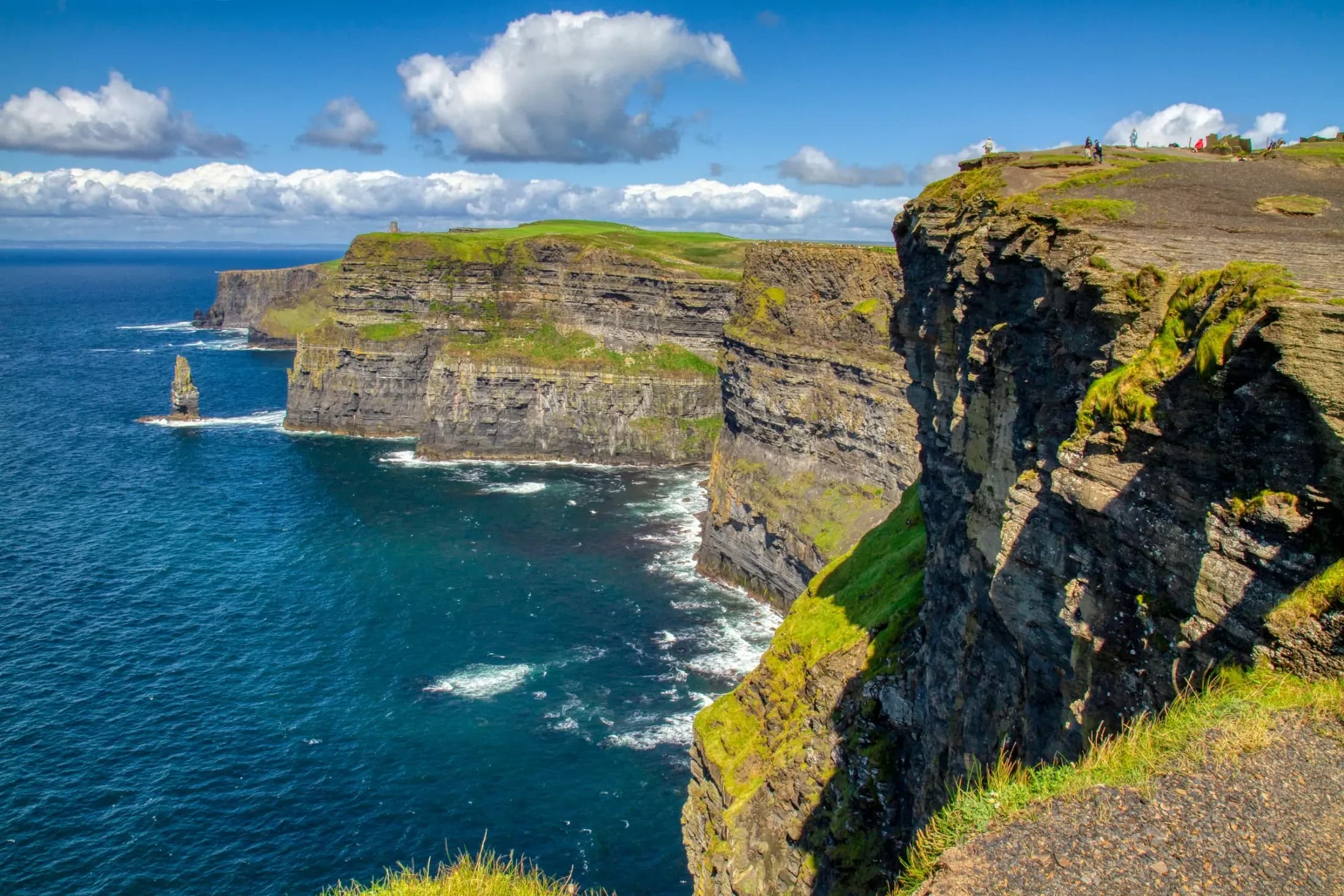
That is the opposite of the advice most Ireland guides give. Our travellers are not going in July. They are going in autumn, paying less, and finding the Ring of Kerry and the Cliffs of Moher without the summer coach traffic.

What is the most expensive time to visit Ireland?
May and June, not July and August. Our May median is $12,929 and June is $12,100 — the two highest months on the board, and roughly double October. This catches people out, because "peak season" is usually assumed to mean high summer.
If your dates are flexible by even a few weeks, shifting a late-May trip into early April or late September is the single largest saving available to you.
Does cheaper mean worse weather?
Honestly, partly. Ireland's weather is unreliable in every month, which is the real reason season matters less here than in the Mediterranean. September and October are milder and drier than most people expect — Met Éireann’s climate records bear this out — with daylight still long enough for full touring days. By late November daylight is genuinely short, and that is a bigger constraint than rain.
What autumn buys you beyond price: availability at the properties that are impossible in June, quieter roads on the west coast, and guides who are not running back-to-back groups.
What about flights — when are they cheapest?
Everything above covers the land arrangements — hotels, guides, cars, transfers. Flights are a separate budget, and the two do not move together. Transatlantic fares to Dublin and Shannon are generally lowest from November to early March outside the Christmas and St Patrick’s Day weeks, and highest in June and July. The practical point from our own bookings: our travellers commit to the trip a median of six months out, which is also early enough to buy flights before peak-season pricing hardens. An October departure pairs the cheaper land season with shoulder-season airfares.
How far ahead should you book Ireland?
Our travellers book a median of 184 days ahead — almost exactly six months. A quarter book inside four months, and a quarter book more than ten months out. If you are targeting May or June, book at the longer end of that range; those months sell out first and price accordingly. For an October trip, six months is comfortable.
What kind of Ireland trip are people actually booking?
Self-drive, overwhelmingly — 61% of our Ireland trips. Chauffeur-driven is next at 10%, then escorted at 9% and rail at 7%. Ireland is small, the roads are manageable once you adjust to driving on the left, and a car is what makes the Wild Atlantic Way and the smaller peninsulas actually reachable. Our self-drive Ireland itinerary is the shape most of these trips take.
What do travellers say about the off-peak months?
"Biggest Thanks to Taryn with Juniper Tours for creating a custom solo Ireland vacation for me that was amazing. After our conversations all I had to do was Pack & Go!"
"Every accommodation and tour exceeded our expectations. We had a fantastic visit and all arrangements were available as expected. Our visit was a self driving tour with autos, tours, and accommodations arranged by Taryn."
"Everything exceeded our expectations, and she managed to keep the trip within our budget without ever sacrificing quality."
Planning an Ireland trip around your budget
The short version: October gives you the most trip for the money, spring runs about the same, and May and June cost roughly double for the same country. If your dates are fixed in peak season, the lever is trip length and pace rather than season.
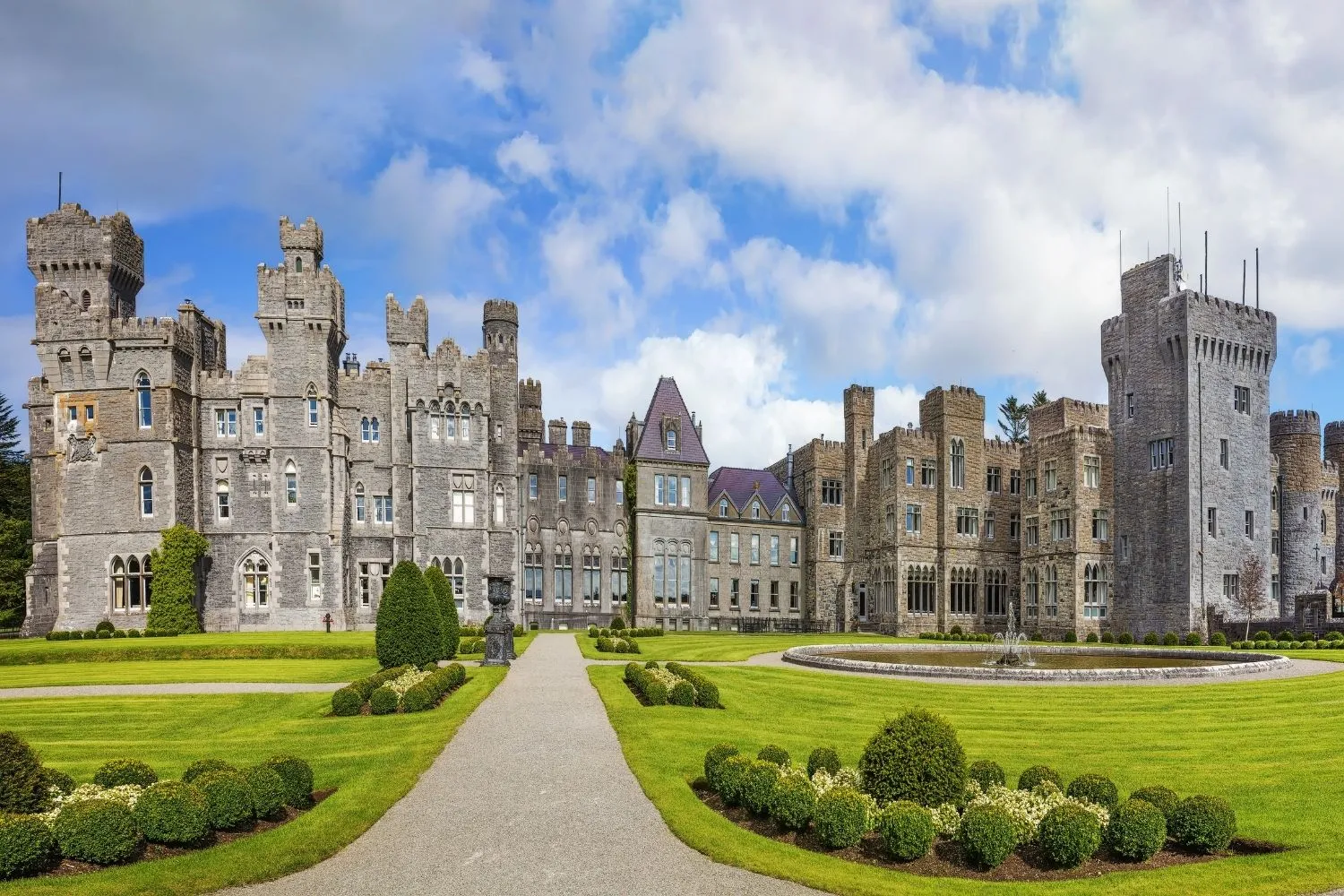
See Ireland for the full range, or our self-drive tour, Best of Ireland and castle hotels and whiskey tour.
Our Ireland trips are designed by specialists such as Taryn Harrison. The initial consultation is complimentary and runs about 30 minutes — book a call.