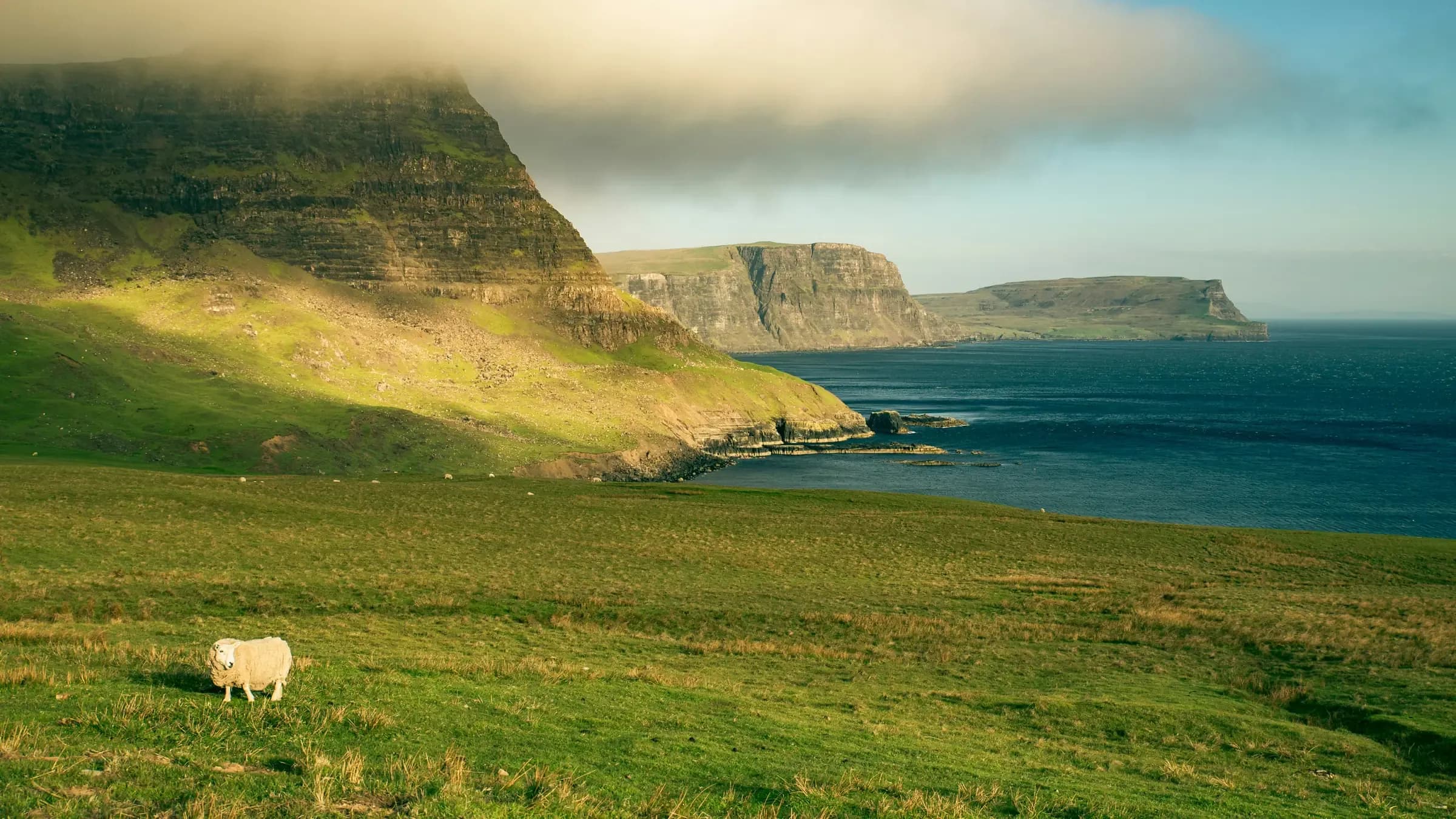
For a first trip to Europe, Italy, France, Spain, Greece and Switzerland are the five strongest starting points — each offers enough variety within one country that you do not need to cross borders to see contrast. The more useful question is how many places to include. Across the 25 itineraries we publish for those five countries, the median trip is 8 days and the range runs from 4 to 14. Almost none of them cover more than two countries.
Five countries in twelve days reads beautifully on a spreadsheet. In practice it is four travel days, three hotel check-ins nobody remembers, and a fortnight of watching Europe through a train window. The best first trip is usually shorter and narrower than the one people plan.
| Country | Our published trip lengths | Strongest for a first visit | Pairs naturally with |
|---|---|---|---|
| Italy | 7–13 days (6 itineraries) | Art, food, coast and countryside in one country | Switzerland |
| France | 6–11 days (5 itineraries) | Paris plus one contrasting region | Switzerland, Spain |
| Spain | 8–14 days (5 itineraries) | City energy, regional cuisine, Andalusia | Portugal, France |
| Greece | 4–14 days (5 itineraries) | Ancient history paired with island time | Italy |
| Switzerland | 8–12 days (4 itineraries) | Mountains, lakes and scenic rail | Italy, France |
How many countries should you visit on your first trip to Europe?
One or two. Our shortest single-country itineraries run 4 to 7 days and our longest reach 14, and the two-country routes we publish — Spain with Portugal, Switzerland with the Italian Alps — are 12 to 14 days precisely because two countries need that length to work. A third country almost always comes out of the time you would otherwise spend actually in a place.
The arithmetic is unforgiving. Each additional country adds a travel day at minimum, usually a hotel change, and often a border transfer that eats a morning. Three countries in ten days leaves roughly six usable days spread across three cultures.
Why is Italy the easiest first trip to Europe?
Because it delivers the widest range inside one set of borders. Rome introduces ancient history alongside energetic neighborhoods and memorable dining, Florence offers Renaissance art and easy access to Tuscany, and Venice creates an entirely different atmosphere through its canals and narrow lanes. Our six Italy itineraries run 7 to 13 days, and the 13-day Best of Italy is the only one that attempts five regions.
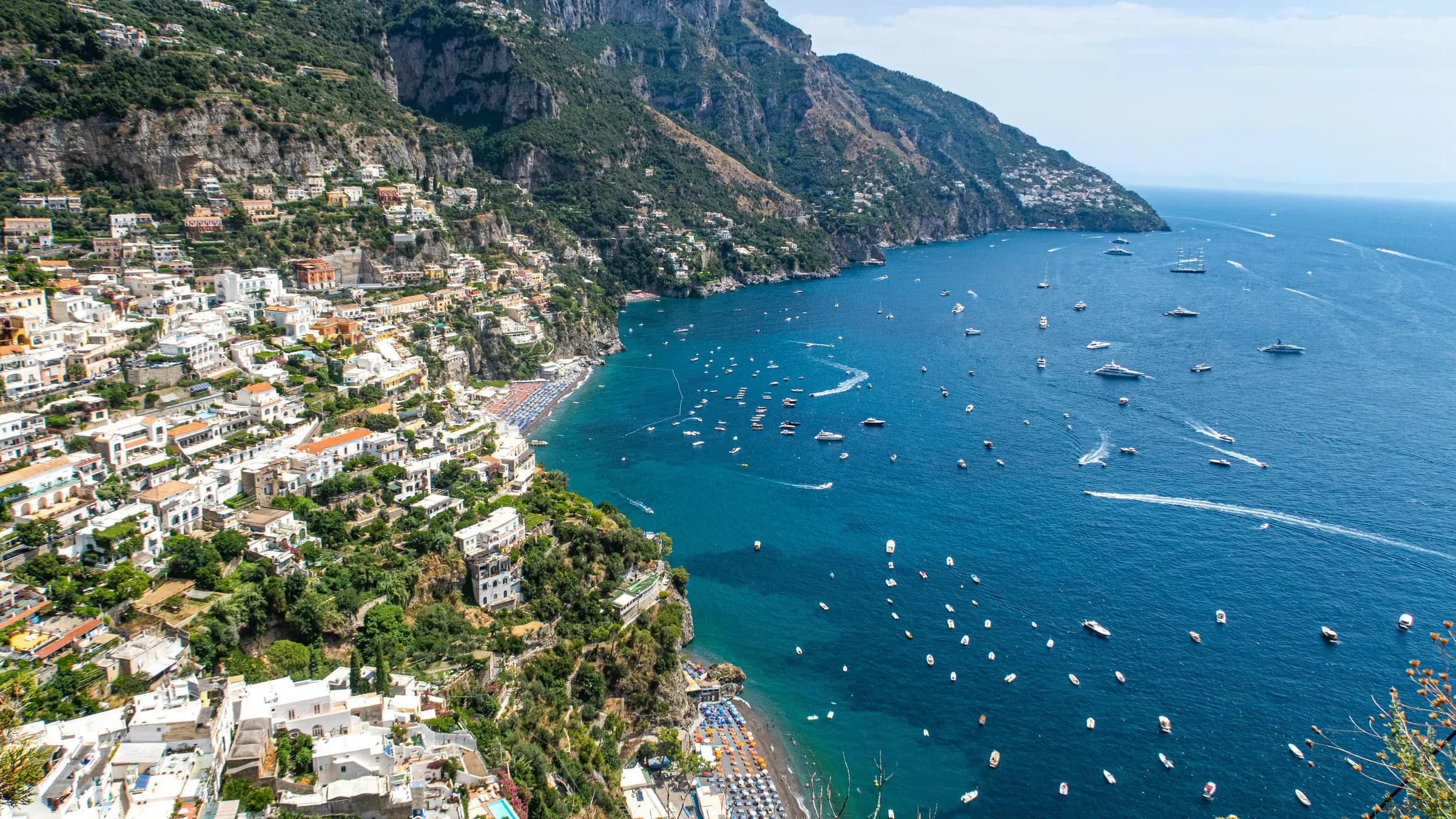
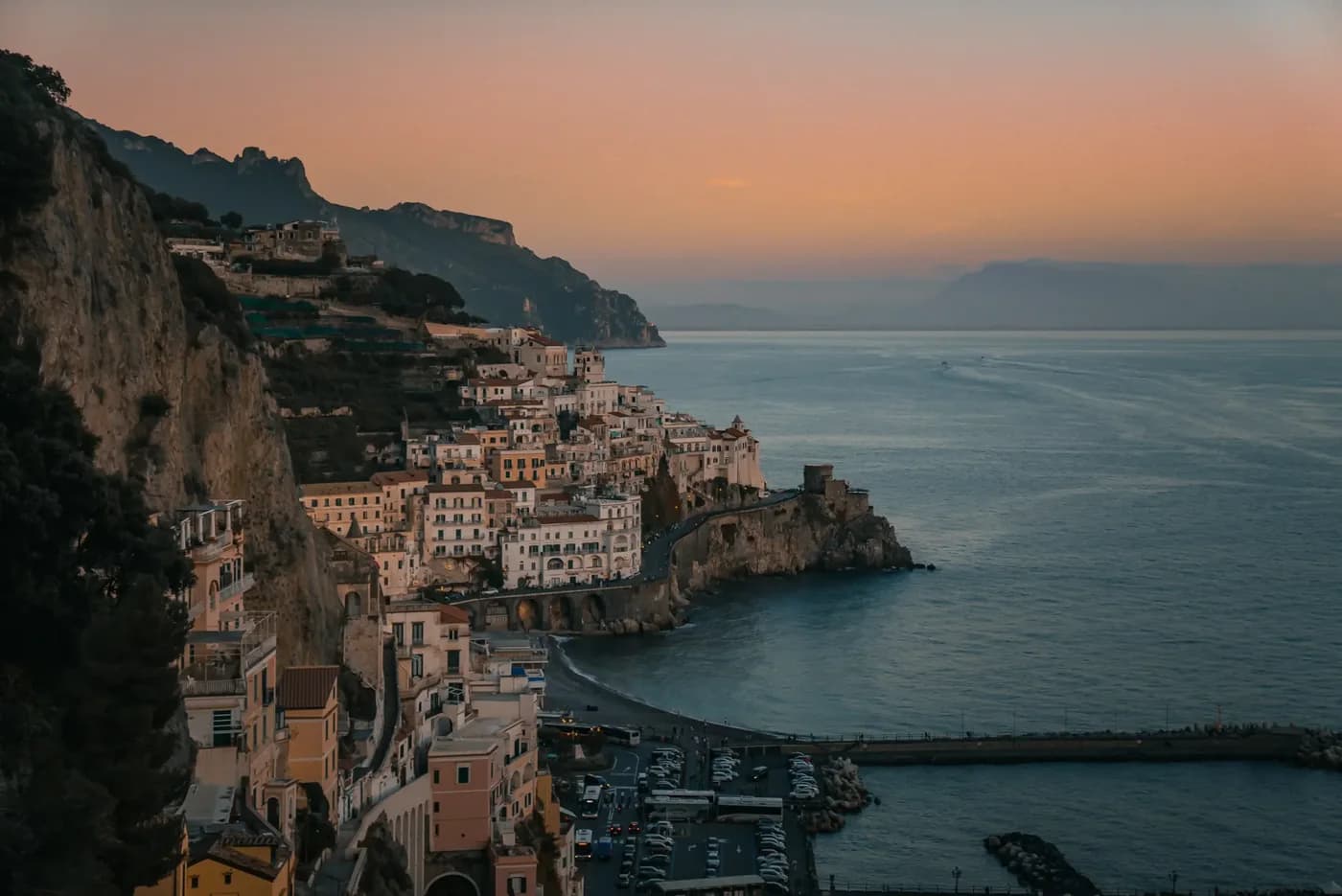
The rest deliberately do less. Taste of Tuscany and Amalfi Coast & Capri are both 7 days and both stay in one region. That is the pattern worth copying on a first visit — two or three areas, not the whole peninsula. Travelers considering luxury Italy tours gain more from an itinerary built around pace, hotels and food than from covering more ground.
What should a first trip to France include?
Paris, plus exactly one contrasting region. Our five France itineraries run 6 to 11 days: the 6-day Paris City Stay treats the city as the whole trip, while Gastronomy Tour · Paris & Provence at 7 days and Best of France at 11 add a second dimension without fragmenting the schedule.
Provence offers villages, markets and a relaxed rhythm; the French Riviera brings Mediterranean coastline; Bordeaux and Burgundy suit wine-focused travelers; Normandy suits history. Choosing one keeps the itinerary coherent while showing how dramatically France changes outside its capital.
Where should you go on a first trip to Spain?
Start with Barcelona or Madrid, then add Andalusia if you have the days. Barcelona delivers striking architecture and an energetic dining scene; Madrid offers world-class museums, grand public spaces and easy access beyond the capital. Either can anchor a trip on its own — our A Taste of Spain and Castles & Wineries of Central Spain are both 8 days.
With more time, Seville, Granada and Córdoba show a genuinely different country: distinctive architecture, intimate historic quarters and food traditions that contrast sharply with the north. Our longest Spain route, Spain & Portugal Highlights, runs 14 days — which is what two countries honestly require.
How do you combine Athens and a Greek island?
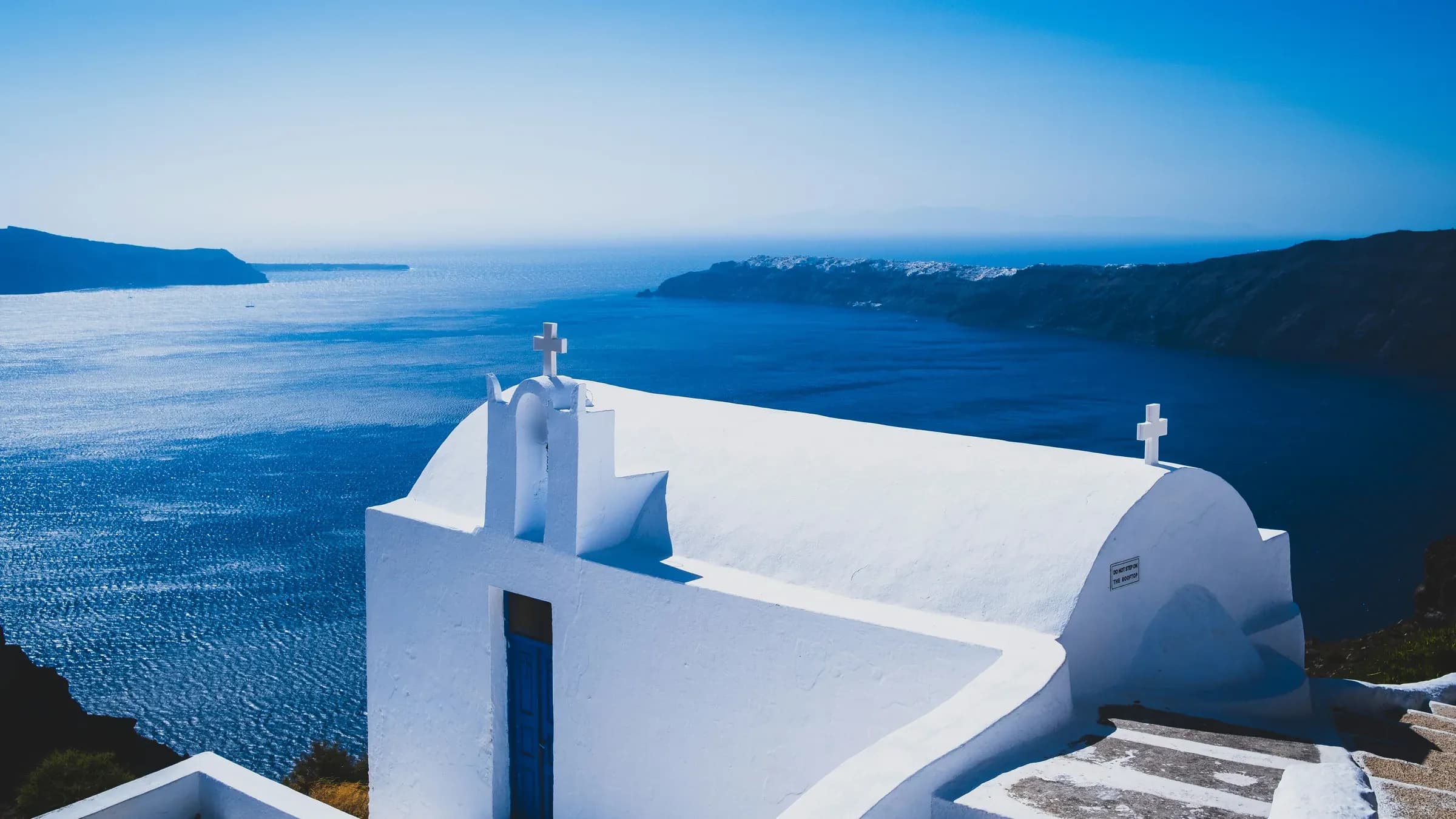
Give Athens 3 to 4 days, then commit to one island rather than three. Our Athens City Stay is 4 days and our Santorini Stay is 5 — a natural pairing at around 9 days total. Athens & the Cyclades runs 14 days because multiple islands genuinely need two weeks once ferry days are counted.
Choosing the right island matters far more than counting them. Santorini offers dramatic caldera scenery; Crete has enough history, landscape and food to fill a week on its own; Corfu — our 7-day route — suits families and slower travel. Matching the island to the traveler beats defaulting to the most famous name.
Is Switzerland a good first trip to Europe?
Yes, if scenery matters to you as much as museums. Switzerland centres on mountains, lakes, compact cities and the journeys between them. Zurich is a convenient entry point, Lucerne introduces lake scenery and a beautiful historic centre, and the Alpine stages shift the trip toward dramatic landscape.
It also pairs unusually well. Both our 12-day routes — the Grand Rail Tour and Swiss & Italian Alps — are built around the idea that the travel between places is part of the experience rather than an interruption. That makes Switzerland a strong second country alongside Italy or France.
How long should a first trip to Europe be?
Between 8 and 12 days for most travelers. The median across our 25 published itineraries for these five countries is 8 days, and the two-country routes cluster at 12 to 14. Under 7 days, a single city or region is the honest answer. Over 14, a second country stops feeling rushed.
One practical constraint worth knowing before you plan: most non-EU visitors, including US and UK passport holders, may spend a maximum of 90 days in any rolling 180-day period across the Schengen Area. That is not a limit a first trip is likely to reach, but it applies across all Schengen countries combined rather than per country, which surprises people planning longer or repeat journeys.
Build your first Europe itinerary around experience
Choosing the best places starts with deciding how you want the journey to feel. Some travelers care most about art and history, others about food, wine, coastline, mountains or countryside. Available time matters just as much: a 10-day journey needs a different strategy from a 3-week one.
Before committing to an itinerary:
- Choose the experiences you care about most, then let the map follow.
- Limit hotel changes — each one costs roughly half a day.
- Give major cities at least three nights.
- Pair destinations that create genuine contrast, not just proximity.
- Build in slower days between intensive sightseeing.
- Match hotels and experiences to how you actually like to travel.
- Leave room for meals, neighborhoods and unplanned discoveries.
Plan a first European trip that feels entirely your own
Your first trip should introduce you to places you have wanted to see while leaving enough time to understand why they draw travelers back. Instead of trying to see Europe in one vacation, choose a few destinations that give the journey a clear identity.
Start planning your custom European trip with Juniper Tours and we will build the itinerary around the places, experiences and pace that matter most to you.