There's no single best time to visit Japan — there are four, and they could not be more different. The same country gives you pink-drenched cherry blossoms in April, thunderous summer festivals in July, temples on fire with autumn colour in November, and world-class powder and steaming hot springs in February. The right window depends entirely on what you want to see and how you feel about crowds. This is the honest, month-by-month, region-by-region version, with the timing traps that catch first-time visitors.
Key takeaways
- Spring (late March–early April) and autumn (mid–late November) are the headline seasons — cherry blossoms and foliage. They're also the busiest and priciest, so book six to twelve months ahead.
- Cherry blossoms move north like a wave: late March in the south and Tokyo/Kyoto, late April to early May in Tohoku and Hokkaido. Full bloom lasts about a week and shifts every year.
- Autumn is the connoisseur's choice — nearly as beautiful as spring, with clearer skies, lighter crowds, and better value.
- Winter is Japan's most underrated season: legendary skiing, snow monkeys, illuminations, the clearest Mount Fuji, and the fewest tourists.
- Avoid the three domestic-travel peaks — Golden Week (late April–early May), Obon (mid-August), and New Year (late Dec–early Jan) — when the Japanese travel en masse and prices spike.
- The rainy season (mid-June to mid-July) and typhoon season (August–September) are worth planning around — though Hokkaido escapes both.
When is the best time to visit Japan?
For most first-time visitors, the best time to visit Japan is spring (late March to April) for cherry blossoms or autumn (October to late November) for foliage — both deliver mild weather and Japan at its most beautiful. If you'd rather trade peak scenery for fewer crowds and lower prices, late winter (January to early March) is the quiet sweet spot, and it's also ski season. Summer is the liveliest but hottest and most humid. In short: spring and autumn for the icons, winter for value and snow, summer for festivals.
Because Japan stretches roughly 3,000 kilometres from subtropical Okinawa to subarctic Hokkaido, the "best" time also shifts dramatically by region — more on that below.
Japan month by month
| Month | Weather & season | What's on | Crowds |
|---|---|---|---|
| January | Cold, crisp, dry; snow in the north | Skiing, snow monkeys, clear Fuji | Low (after New Year) |
| February | Cold; peak powder | Skiing, Sapporo Snow Festival, plum blossoms | Low–moderate |
| March | Warming; blossoms begin late month | Early cherry blossoms (south & Tokyo) | Rising |
| April | Mild, beautiful | Cherry blossoms peak; Golden Week begins end of month | High |
| May | Warm, pleasant | Blossoms in the north; lush greenery | Very high early (Golden Week), then eases |
| June | Rainy season (tsuyu) on the main islands | Hydrangeas; Hokkaido stays dry | Low |
| July | Hot, humid; rains ease mid-month | Gion Matsuri, fireworks, hiking season opens | Moderate |
| August | Hottest; typhoon risk | Summer festivals, Obon (mid-month peak) | High mid-month |
| September | Warm; typhoon risk; foliage starts in the north | Early autumn colour (Hokkaido, Alps) | Moderate |
| October | Cool, clear, excellent | Autumn colour spreading south | Rising |
| November | Crisp, clear; peak foliage | Autumn colour in Kyoto & Tokyo | High |
| December | Cold; ski season opens | Illuminations, early skiing; New Year rush late month | Low (until New Year) |
Spring in Japan: cherry-blossom season (March–May)
Spring is the season everyone pictures, and it earns the hype. Beyond the blossoms, it delivers mild temperatures, long light, and gardens at their absolute best — ideal for walking cities and temple grounds. The catch is that it's the most in-demand time of year: the best ryokan, city hotels, and private guides sell out first, and the exact bloom dates are impossible to lock down more than a couple of weeks out.
Two dates to plan around. Golden Week — a cluster of national holidays from roughly 29 April to 5 May — is one of the busiest domestic travel periods of the year; trains and hotels fill and prices climb, so either build around it or book far ahead. And because blossom timing is a moving target, spring travellers benefit most from a flexible, expert-timed itinerary. Best for: first-timers, couples, and photographers chasing the classic image.
When do the cherry blossoms bloom in Japan?
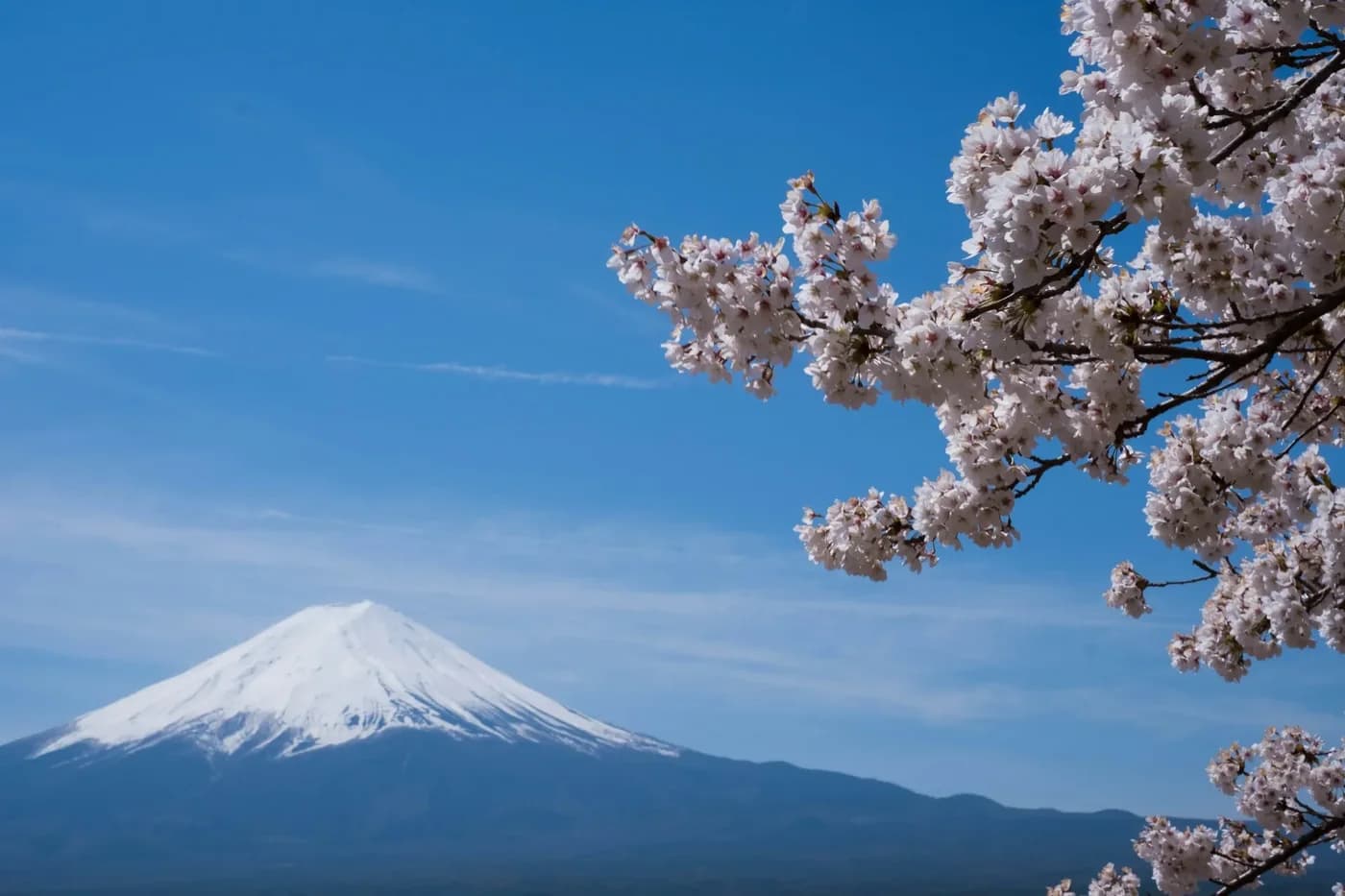
Cherry blossoms bloom earliest in the south and latest in the north, typically over late March to early May. Peak "full bloom" (mankai) lasts only about a week in any given spot and shifts each year with the weather, which is why chasing sakura rewards flexibility. Here's the usual regional progression:
| Region / city | Typical peak bloom |
|---|---|
| Okinawa | Late January – February (a different, early-blooming variety) |
| Fukuoka & Kyushu | Late March |
| Tokyo, Kyoto & Osaka | Late March – early April |
| Kanazawa & the Japanese Alps | Early – mid April |
| Tohoku (Sendai, Hirosaki) | Mid – late April |
| Hokkaido (Sapporo, Hakodate) | Late April – early May |
The practical upshot: if you miss the blossoms in Kyoto, you can often still catch them a week or two later further north — a trick we use to build blossom trips with a built-in buffer.
Summer in Japan: festivals, heat, and the rainy season (June–August)
Summer is Japan at its most alive — and its most demanding. It opens with tsuyu, the rainy season, which runs roughly mid-June to mid-July across the main islands and brings intermittent showers rather than all-day rain (hydrangeas and green temple gardens are a genuine highlight). After that it turns hot and humid, with cities regularly in the low-to-mid 30s°C.
What you gain for the heat is the festival calendar: Kyoto's month-long Gion Matsuri in July, spectacular fireworks (hanabi) nationwide, and Aomori's Nebuta in early August. Two things to plan around — Obon in mid-August is a major domestic travel week, and typhoon season ramps up from August into September, mostly affecting the south and Pacific coast. Cooler escapes: Hokkaido (lavender fields in July) and the Japanese Alps. Best for: festival-seekers, hikers, and Hokkaido lovers who don't mind the humidity elsewhere.
Autumn in Japan: the foliage season (September–November)
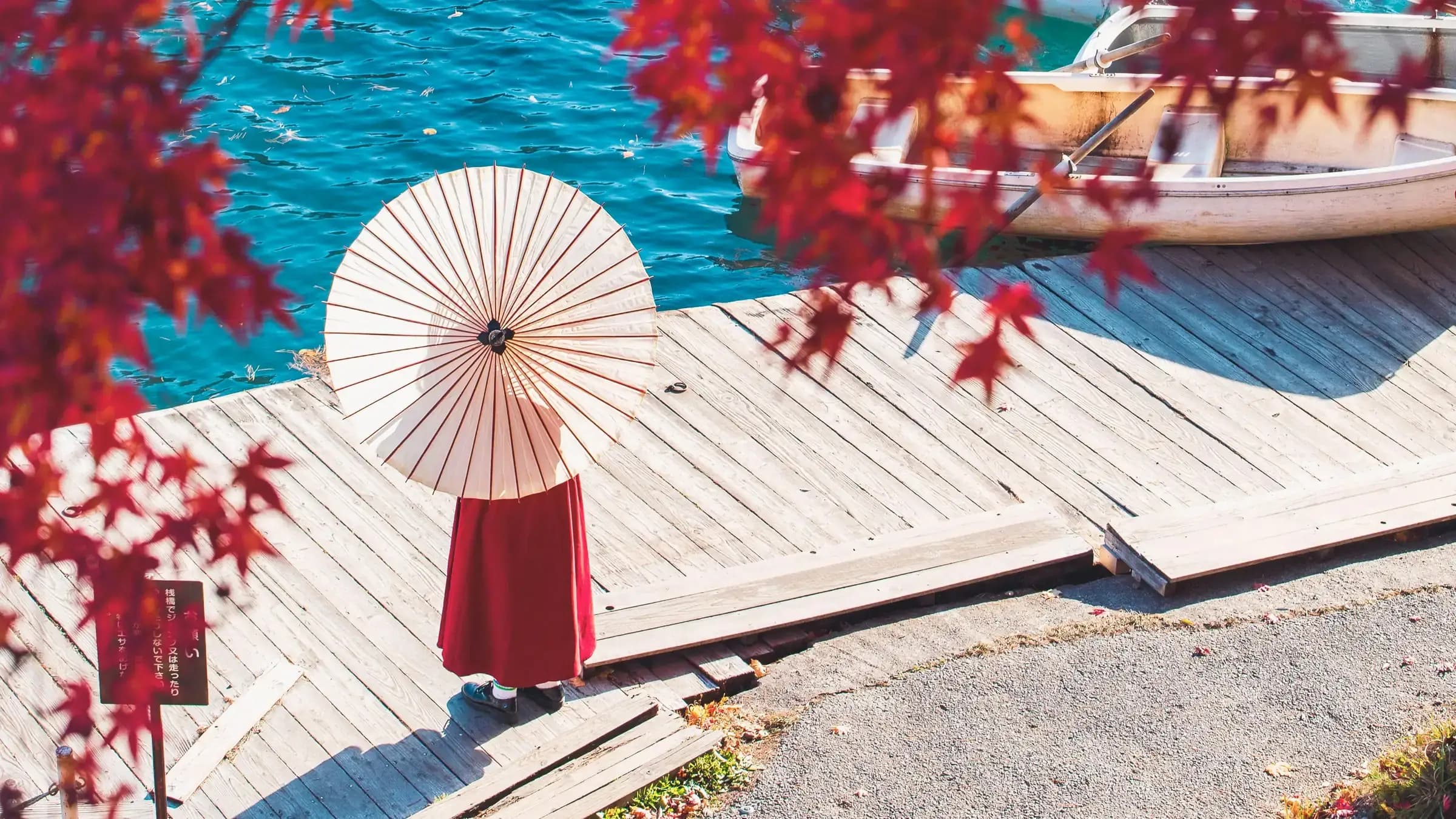
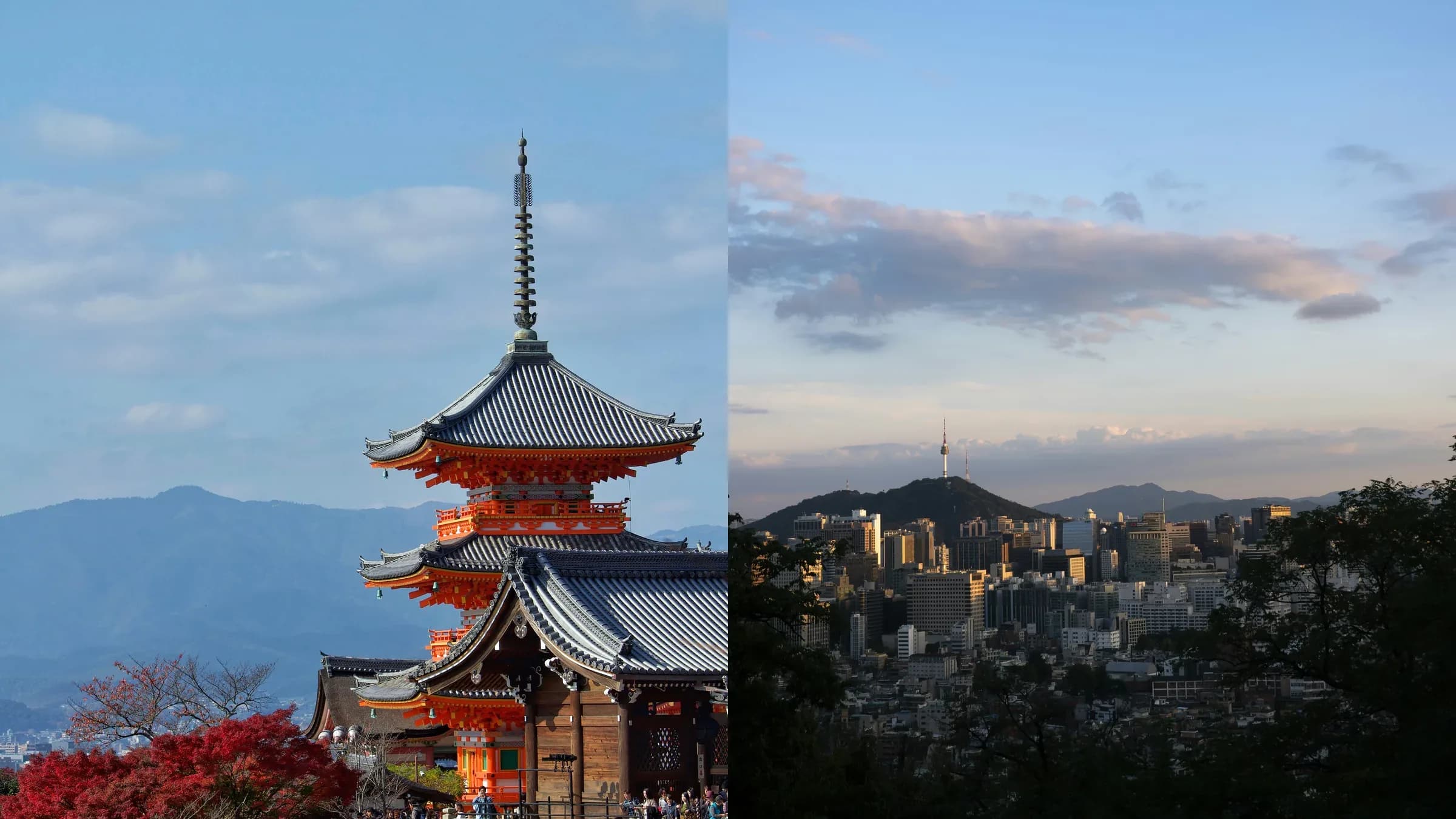
If spring is Japan's greatest hit, autumn is the deep cut that seasoned travellers quietly prefer. The koyo (autumn foliage) begins in Hokkaido and the high mountains in late September and October and rolls south to Kyoto and Tokyo in mid-to-late November, setting maple-filled temple grounds ablaze in crimson and gold. The weather is some of the year's best — crisp, dry, and clear — crowds are lighter than spring, and value is better. Best for: couples, repeat visitors, and anyone who wants sakura-season beauty with more room to breathe.
Winter in Japan: snow, onsen, and quiet (December–February)
Winter is Japan's most underrated season. The north delivers some of the planet's best powder skiing — Niseko in Hokkaido and Hakuba in Nagano peak from January into February — while Nagano's snow monkeys bathe in steaming hot springs, cities glow with elaborate winter illuminations, and Mount Fuji is at its clearest in the dry winter air. Away from the ski resorts it's the quiet season: fewer tourists, easier reservations, and lower prices, and there's little better than soaking in an outdoor onsen while snow falls. Note that many businesses close around New Year (roughly 29 December–3 January), which is also a domestic travel peak. Best for: skiers, onsen-lovers, honeymooners wanting privacy, and value-minded travellers.
What is the best time to see autumn colours in Japan?
The best time for autumn colours is late October to late November, depending on how far south you go. Foliage peaks in Hokkaido and the Japanese Alps in October, in the Nikko and Tohoku regions in late October to early November, and in Kyoto, Nara, and Tokyo in mid-to-late November — occasionally lingering into early December in the far south. For the famous Kyoto temple scenes, aim for the third and fourth weeks of November.
What is the cheapest time to visit Japan?
The cheapest time to visit Japan is winter outside the holidays and ski resorts — roughly mid-January through February — along with early December and the shoulder weeks of late autumn. Airfares and hotel rates are lowest when domestic demand is quiet, and outside the peak blossom and foliage windows you'll find far better availability at the best properties. The most expensive periods are cherry-blossom season, the November foliage peak, and the three domestic holidays (Golden Week, Obon, New Year).
What is the best time to visit Japan to avoid crowds?
To avoid crowds, target January (after New Year) through early March, before the blossoms arrive, or early December, after the foliage fades and before the New Year rush. Just as important is knowing when not to go: the three domestic travel peaks — Golden Week (late April–early May), Obon (mid-August), and New Year (late December–early January) — see the whole country on the move, with packed trains and premium prices. If your dates fall near these, book much further ahead.
When is the best time to ski in Japan?
The best time to ski in Japan is January and February, when the legendary light, dry "Japow" is at its deepest and most reliable, particularly in Hokkaido (Niseko, Furano) and Nagano (Hakuba). December offers early-season snow and thinner crowds, and March can still deliver excellent conditions at altitude with longer, milder days — a favourite for families.
Does the best time to visit depend on the region?
Very much so — Japan spans a huge range of latitudes, so a single trip can hold several climates at once. Broadly:
- Tokyo, Kyoto & central Honshu — the classic route; best in spring and autumn, pleasant but hot in summer, crisp and quiet in winter.
- Hokkaido (north) — glorious in summer (cool air, lavender) and superb in deep winter (skiing); its foliage and blossoms run earliest and latest respectively.
- Kyushu (southwest) — mild and blossoms early; a good early-spring or late-autumn choice.
- Okinawa (subtropical south) — best in April–June and September–October; skip the May–June rains and the late-summer typhoon peak. This is your winter-sun and beach option.
Best time to visit Japan, by what you want
| You want… | Go |
|---|---|
| Cherry blossoms | Late March – early April (Tokyo/Kyoto) |
| Autumn colour | Mid – late November (Kyoto) |
| Skiing & snow monkeys | January – February |
| Summer festivals & fireworks | July – August |
| Beaches (Okinawa) | April – June, September – October |
| Hiking the Alps (Kamikochi) | July – September |
| Fewest crowds & best value | January – early March, early December |
| The clearest Mount Fuji | Autumn & winter |
How far ahead should you plan a trip to Japan?
For the peak seasons — cherry blossoms and November foliage — plan six to twelve months ahead. The finest ryokan, the best rooms with garden or castle views, private guides, and popular experiences (a tea ceremony, a sushi counter, first tracks at a top ski resort) are limited and go early. For winter and summer travel, three to six months is usually comfortable. The single biggest reason blossom and foliage trips disappoint is late planning — by the time the forecasts firm up, the good properties are long gone.
Let our Japan specialist time your trip
The difference between a good trip to Japan and an unforgettable one is almost always in the timing and the details — catching the blossoms at their peak, being in the right region as the maples turn, avoiding the domestic-holiday crush. That's the part we handle. Every Juniper trip to Japan is fully private and built from scratch around your dates — no group coaches, no fixed departures. Our Japan specialist Cherisse, who is Japanese-American and has built her career around the country, times your itinerary to exactly what you want to see, from the blossoms in Kyoto to first tracks in Hokkaido.
"Taryn with Juniper Tours created an incredible trip for my family in Japan. As a busy, working mom, I did not have the time to research and coordinate, so Taryn stepped in and did everything. She was extremely flexible, thorough, understanding, and knowledgeable… Will plan with Taryn and her team again!" — Teresa Thornburg, verified Google review
Explore our luxury Japan tours and Japan honeymoons, or browse sample trips like the Best of Japan, the Japan Rail Journey, and Winter Wonderland Japan. When you're ready, tell us your dates and what you picture — book a free consultation and your specialist will build a private itinerary around your season and your pace.