Most Juniper Tours clients invest $6,000–$15,000 per person for a custom, fully-guided trip to Japan — typically 10–14 days, mid-range to luxury hotels, private guiding and all bullet-train travel included. International airfare is separate. Below is what actually sits behind that number, where the money goes, and where it is worth spending.
The short answer: typical investment by style
These are real planning bands, not rate-card fantasies. Every figure is per person, based on two people sharing, and excludes international airfare.
| Style | Per person | What that looks like |
|---|---|---|
| Comfortable | $6,000–$8,000 | Well-located 4-star city hotels, one ryokan night, Shinkansen between cities, guided half-days in the big three cities. |
| Elevated | $8,000–$12,000 | Boutique and upper 4-star properties, two ryokan nights with kaiseki, private guides most days, food tours and reserved experiences. |
| Luxury | $12,000–$20,000+ | Aman, Ritz-Carlton, Hoshinoya-tier stays, private vehicle and guide throughout, tea ceremonies and access that has to be arranged months out. |
For a concrete example: our small-group cherry blossom departure in April 2027 is $7,850 per person for 12 days — 11 nights of hotels, a Hakone ryokan with a private open-air bath, all bullet trains, and a guide throughout. That sits at the top of the Comfortable band precisely because the group shares guiding costs.
What actually drives the cost of a Japan trip?
1. Hotels — the biggest lever by far
Japan has the widest hotel spread of any country we plan. A clean, well-located business hotel in Tokyo runs $150–$250 a night. A boutique property in Kyoto’s Gion district is $400–$700. The Aman and Hoshinoya tier starts around $1,200 and climbs past $2,500. Across a 12-night trip, that single choice moves your total by more than everything else combined.
The ryokan night is the exception worth paying for. A traditional inn with tatami rooms, onsen bathing and a multi-course kaiseki dinner runs $500–$1,200 per person — and it is consistently the night travelers talk about afterward.
2. Rail — and the Japan Rail Pass question
Since the 2023 price increase, the JR Pass is no longer the automatic saving it once was. A 7-day pass is roughly $350. A one-way Tokyo–Kyoto Shinkansen ticket is about $95. If your itinerary is Tokyo, Kyoto and one side trip, individual tickets are usually cheaper. The pass wins when you are covering real distance — Hokkaido, Hiroshima, or a multi-region loop.
This is one of the most common places we save clients money, and it is entirely itinerary-dependent.
3. Guiding and experiences
A licensed English-speaking guide is $350–$550 per day. A private tea ceremony is $100–$250 per person. A sushi counter with a serious reputation can be $200–$400 per head, and the best ones take reservations only through a hotel concierge or an agency with a standing relationship.
You do not need a guide every day. Two or three well-placed guided days — arrival orientation, Kyoto’s temples, one food tour — deliver most of the value.
4. Season — when you go moves the number
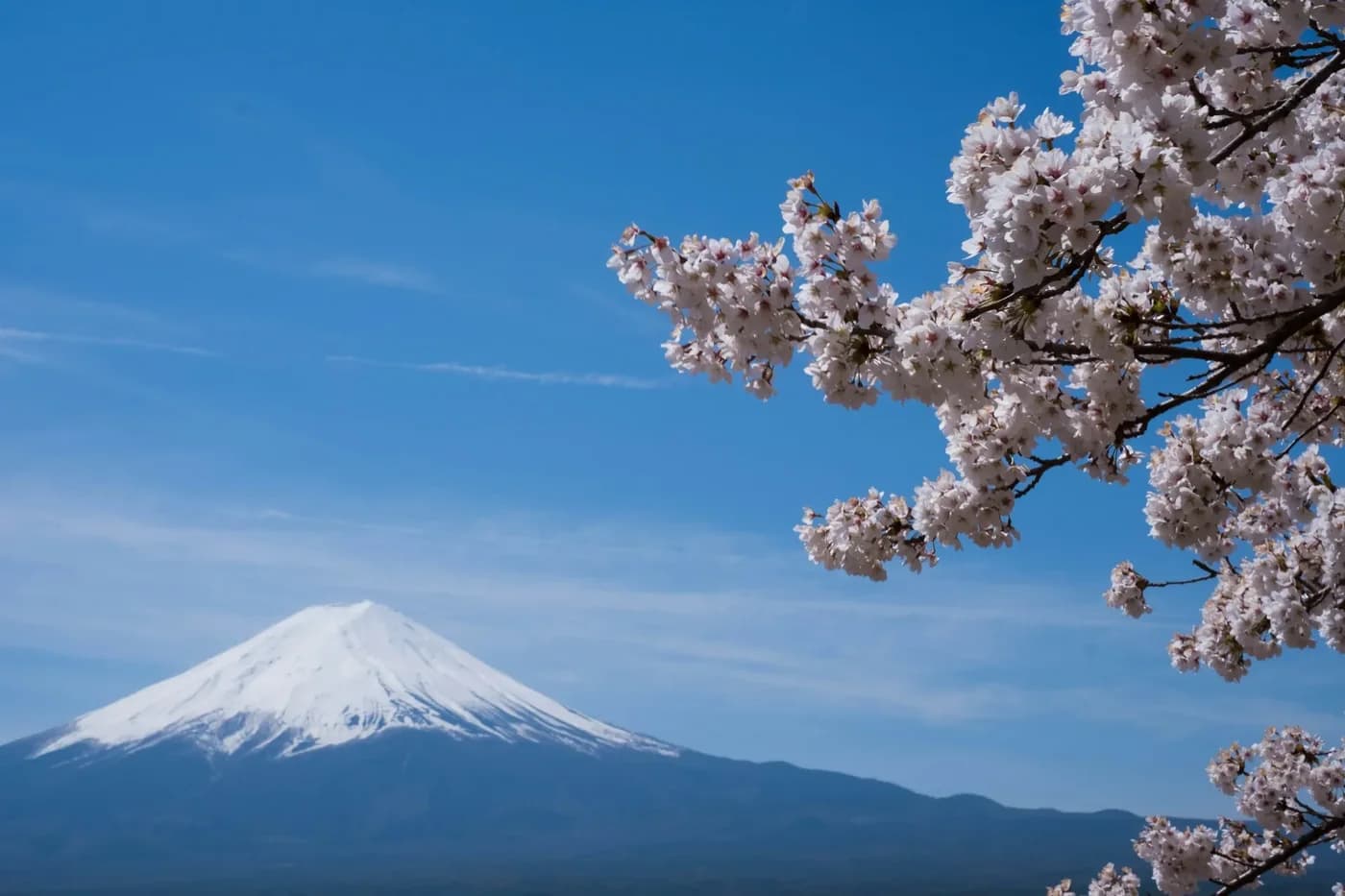
Cherry blossom season (late March to mid-April) and autumn foliage (November) are the two peaks, and hotel rates in Kyoto can run 40–60% above shoulder season. Golden Week (late April to early May) is domestic peak travel and should generally be avoided. Late May, June and September are materially cheaper and still excellent. If your dates are flexible, shifting by two weeks can save $1,000 or more per person.
If the blossoms are the whole point, book 10–12 months out. The best ryokan and Kyoto properties for that fortnight are gone before the year turns.
Where it is worth spending — and where it is not
- Worth it: the ryokan night, one or two private guided days, reserved dining, and a genuinely central Kyoto location. Kyoto is the city where hotel position saves you the most time.
- Worth it: green car (first class) on long Shinkansen legs during peak season, when ordinary cars fill.
- Skip it: a guide for every single day. Japan is safe, signposted in English and superbly easy to navigate independently between the highlights.
- Skip it: a rail pass bought reflexively. Do the arithmetic against your actual route first.
- Skip it: a Tokyo hotel chosen purely on view. You will be out of the room from breakfast until late.
Does using a travel advisor make Japan more expensive?
Generally not, and often the reverse. Japan is one of the few countries where booking direct is genuinely harder than it looks — many ryokan take no international online bookings, top restaurants require an introduction, and guide availability in blossom season is spoken for early.
Juniper’s planning fee is a $100 deposit that is applied in full toward your trip. Your initial consultation is free. What you get back is the JR Pass arithmetic done properly, ryokan rooms held before they are public, and a specialist on call while you are travelling.
Japan trip cost FAQs
How much should I budget per day in Japan?
For a mid-range custom trip, plan $500–$800 per person per day including accommodation, transport and guiding. Luxury runs $1,000–$1,800 per day. Food is the pleasant surprise: superb meals are available at every price point, and lunch at an excellent restaurant is often a third of the dinner price.
Is Japan more expensive than Europe?
Comparable, and often slightly less at the same standard. Japanese 4-star hotels tend to be better value than their European equivalents, rail is cheaper than European first class, and food offers dramatically more quality per dollar. Where Japan costs more is at the very top: the luxury ryokan tier has no real European equivalent.
Is cherry blossom season worth the premium?
For most travelers, yes — but go in knowing the peak bloom cannot be predicted precisely in advance. Dates are set on historical averages, and the true peak can arrive a week either side. Japan in early April is remarkable regardless, which is why we build the route around multiple blossom settings rather than a single park.
Can you do a custom Japan trip for under $6,000 per person?
Yes, with trade-offs: shoulder season, a shorter 8–9 day route, fewer guided days, and business-hotel-tier accommodation. It is a genuinely good trip. It is simply a different trip from the one most of our clients are asking for.
How far in advance should I book Japan?
Ten to twelve months for cherry blossom or autumn foliage. Six months for shoulder season. Japan rewards early booking more than almost anywhere else we plan, because the best small properties have very few rooms and sell out first.
What Juniper’s Japan travelers say
“Taryn with Juniper Tours created an incredible trip for my family in Japan. As a busy, working mom, I did not have the time to research and coordinate, so Taryn stepped in and did everything. She was extremely flexible, thorough, understanding, and knowledgeable. This is my second experience working with Taryn and I have been impressed with how well she has planned a trip for me as part of a large group and as part of a family trip. Will plan with Taryn and her team again!” — Teresa Thornburg, verified Google review
Ready to price your Japan trip properly?
Every number above is a planning band, not a quote. The only way to know what your Japan trip costs is to build it around your dates, your pace and the standard you actually want.
Start with a free 30-minute consultation with a Juniper Japan specialist, browse our luxury Japan tours, or look at a ready route like Best of Japan or the Japan Rail Journey.