Costa Rica is Virtuoso’s third most popular family travel destination for 2026, and multigenerational travel is the second biggest trend of the year — but the reason Costa Rica works for three generations is not the wildlife. It is that a seven-year-old and a seventy-year-old can do most of the same things on the same day. Hanging bridges, boat safaris, hot springs and beaches all scale. What does not scale is the driving, and that is where most family trips come undone.
Why does Costa Rica work so well for three generations?
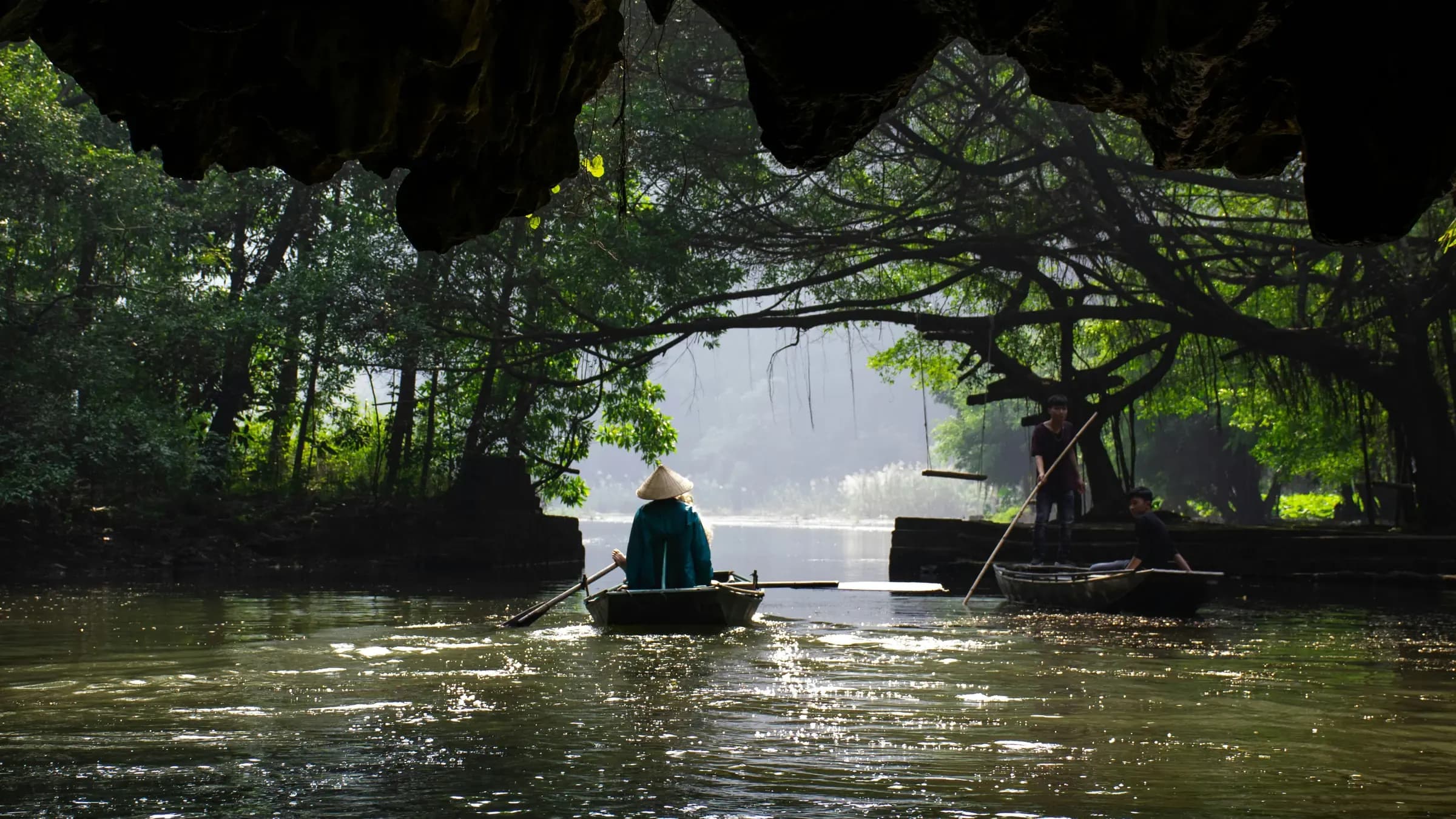
Because the signature experiences are moderate rather than demanding. A guided walk on hanging bridges through the canopy, a slow boat along a river watching for caimans and howler monkeys, an afternoon in volcanic hot springs — these need curiosity, not fitness. Everyone participates in the same thing, which is the whole point of travelling together.
Compare that with a ski trip or a city-hopping tour of Europe, where the group splits by ability within a day.
What actually goes wrong on family trips here?
The driving
This is the single biggest problem and it is almost always underestimated. Costa Rica’s roads are winding, mountainous and slow — ninety kilometres can take three hours. Add motion sickness, a toddler, and a grandparent with a hip, and a transfer day can undo three good ones.
The fixes are straightforward once you know to ask: fewer bases, longer stays, and internal flights on the legs that are genuinely painful. A short hop can convert a five-hour mountain drive into forty minutes, and on a family trip that is usually money well spent.
Packing for the wrong country
Families pack for the tropics and then spend two days in Monteverde’s cloud forest, which is cool, wet and windy. It is the most common comfort complaint and it is entirely preventable with one paragraph of advice before departure.
Too many regions
Three generations move slower than two adults. An itinerary that works for a couple will not work for eight people with a stroller and a folding walker. The rule we apply is one activity a day, and a genuinely free day every third day.
Where should a multigenerational family base itself?
| Region | Why it works for mixed ages | Watch for |
|---|---|---|
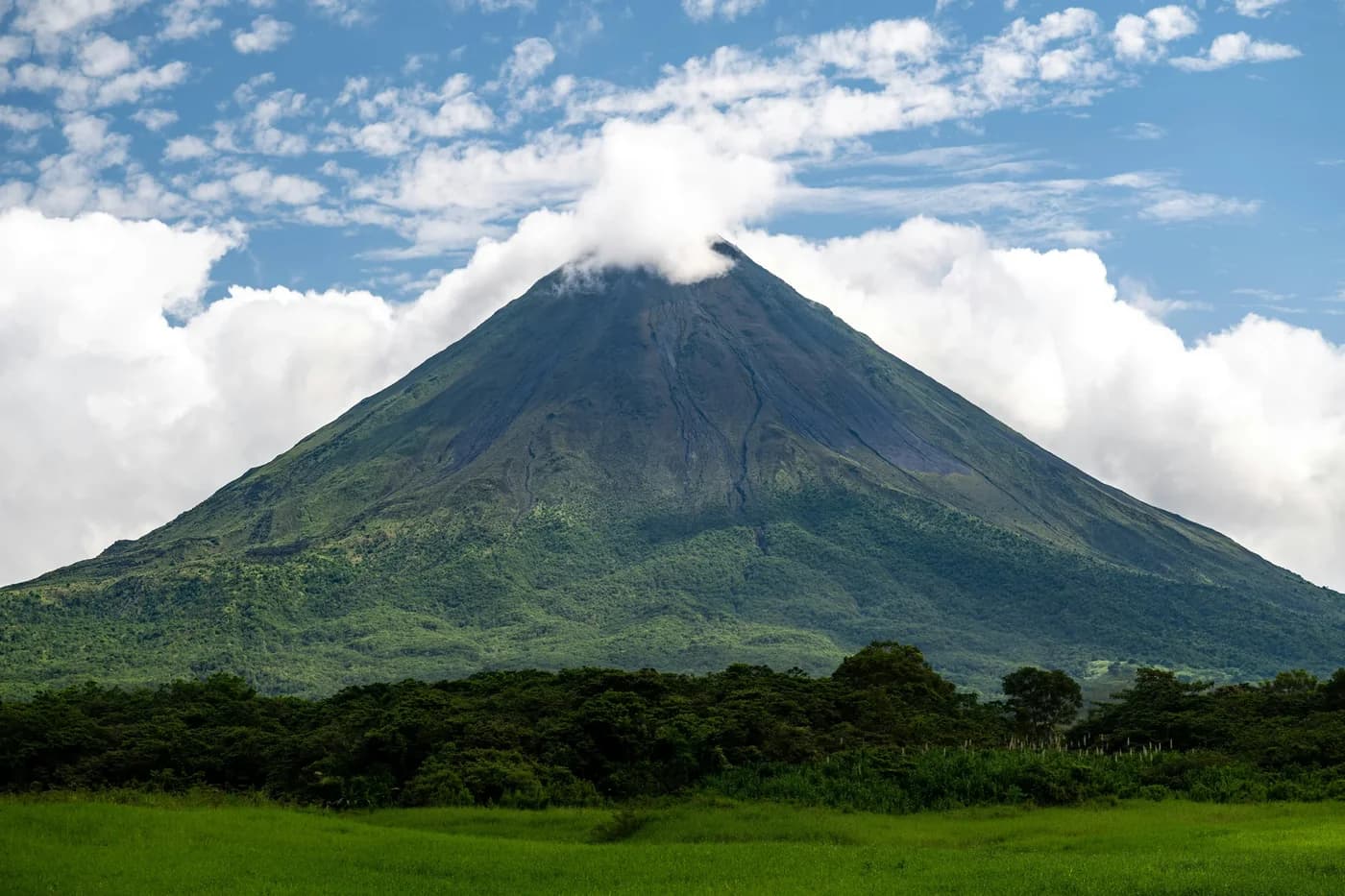
| Arenal / La Fortuna | The best all-round family base: hot springs, hanging bridges, easy rafting, short transfers between activities, and a wide range of intensity | Rain in green season; book the volcano-view rooms early |
| Guanacaste & Papagayo | Beach resorts with real infrastructure, calm swimming, and a coast that suits both grandparents and toddlers | Hot and dry in season; the least “wild” Costa Rica |
| Manuel Antonio | Wildlife you can genuinely see from a short flat trail, plus beach in the same day | Busiest national park in the country; go at opening |
| Monteverde | Cloud forest and canopy walkways, a real change of scene | Cool and damp; the winding approach is hard on car-sick children |
| Tortuguero | All exploration is by boat, so mobility barely matters | No road access; boat or small plane only |
The pairing that works most often is Arenal and then Guanacaste — one active inland base, one flat and restful coastal one, with a single transfer between them.
Where should a family not go?
The Osa Peninsula and Corcovado, for most families with young children or anyone with limited mobility. It is the wildest and most rewarding corner of the country and it is a genuine expedition — long access, humid trails, certified guides, limited facilities. Save it for a trip with older teenagers, or for the adults on a separate visit.
The same caution applies to any itinerary that puts a five-hour drive on the last day. Nobody enjoys that at any age.
Villa or resort?
For three generations, a villa with a cook is frequently the better answer and is underrated. Everyone eats breakfast together at whatever times they naturally wake, the group has communal space that is not a hotel lobby, and children can nap while everyone else is still around.
Resorts win when you want kids’ clubs, several restaurants, and the ability for different parts of the group to genuinely do different things. Many families do one of each: villa inland, resort on the coast.
When should a family travel to Costa Rica?
The dry season, mid-December through April, lines up with school holidays and is the most straightforward weather. The green season, May through November, is quieter, cheaper and greener, with afternoon rain rather than washed-out days — and it suits families who are not tied to a school calendar.
Worth knowing on availability: our Winter 2026–27 departures are fully booked. Families planning around the December holidays should be looking at Winter 2027–28, and booking earlier than feels necessary — multigenerational trips need blocks of connected rooms, which are the first thing to disappear. Our month-by-month guide goes through the trade-offs.
How far ahead should you book?
Further than you think, and for a specific reason: the constraint is rarely the flights. It is finding four connecting rooms, or a villa that genuinely sleeps ten, in the same property, on the same dates, in high season. Nine to twelve months is normal for a holiday-period multigenerational trip.
Planning yours
The real work is sequencing — two bases rather than four, transfers timed around the youngest and the oldest, and internal flights on the legs that deserve them. That is what a custom Costa Rica trip is.
Our Best of Costa Rica is a good starting shape for families, and if the adventure side is what draws you, we wrote about which regions actually earn their days.
Costa Rica is designed by Allison Tucker. The consultation is free and carries no obligation — book a call.