Cusco sits at 11,152 feet, and roughly half of arriving travelers feel it. The Sacred Valley is 1,700–2,300 feet lower, and Machu Picchu itself is lower still at 7,972 feet — which is why good itineraries fly into Cusco and leave immediately for Urubamba, then return to the city later. Expect symptoms 2–12 hours after arrival, plan two easy nights, and skip alcohol for the first 48 hours.
Key takeaways
- Cusco is higher than almost anywhere else on your trip. At 11,152 feet it sits above Machu Picchu (7,972 ft), above the whole Sacred Valley, and above the CDC's 8,000-foot threshold for altitude illness risk.
- Go down before you go up. Transferring straight from Cusco airport to Urubamba at 9,420 feet drops your sleeping altitude by more than 1,700 feet on night one.
- Symptoms usually start 2–12 hours after arrival and typically resolve within 12–48 hours if you don't climb higher.
- Above 9,850 feet, raise your sleeping altitude by no more than about 1,600 feet a day, per CDC guidance.
- Acetazolamide is the standard prophylaxis — commonly 125 mg twice daily starting the day before ascent — and it is a prescription decision for your own doctor, not a souvenir purchase.
- Coca tea is a comfort, not a treatment. It will not prevent altitude illness, and it can cause a positive drug test.
- Confusion, unsteadiness, or breathlessness at rest are not normal. Those are descent-now signs, not tough-it-out signs.
This article is general travel information, not medical advice. Altitude affects people unpredictably, and anyone with a heart or lung condition, sleep apnea, sickle cell trait, or a pregnancy should talk to their own doctor before booking a trip that sleeps above 9,000 feet.
How high is Cusco, really — and how does that compare?
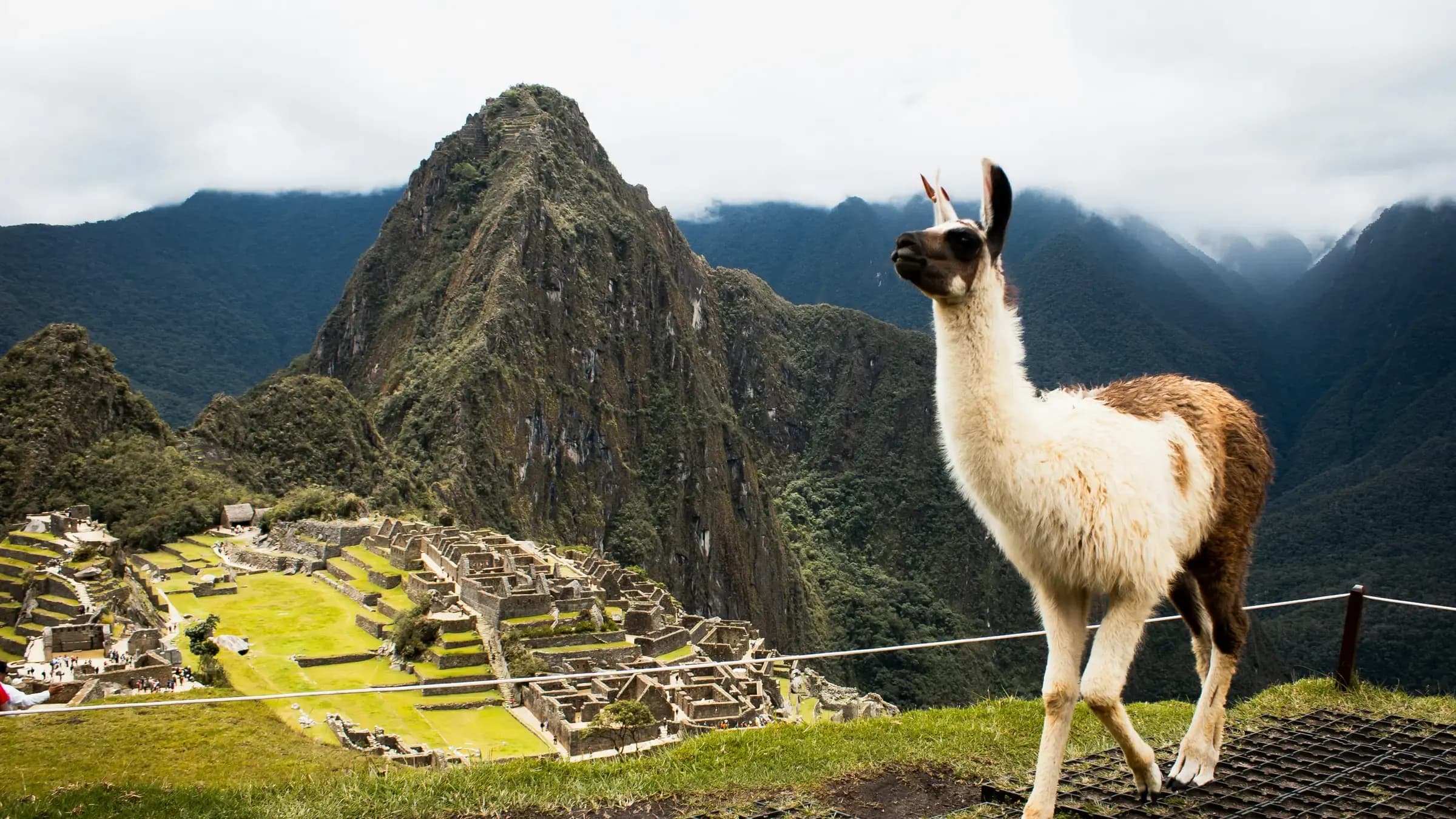
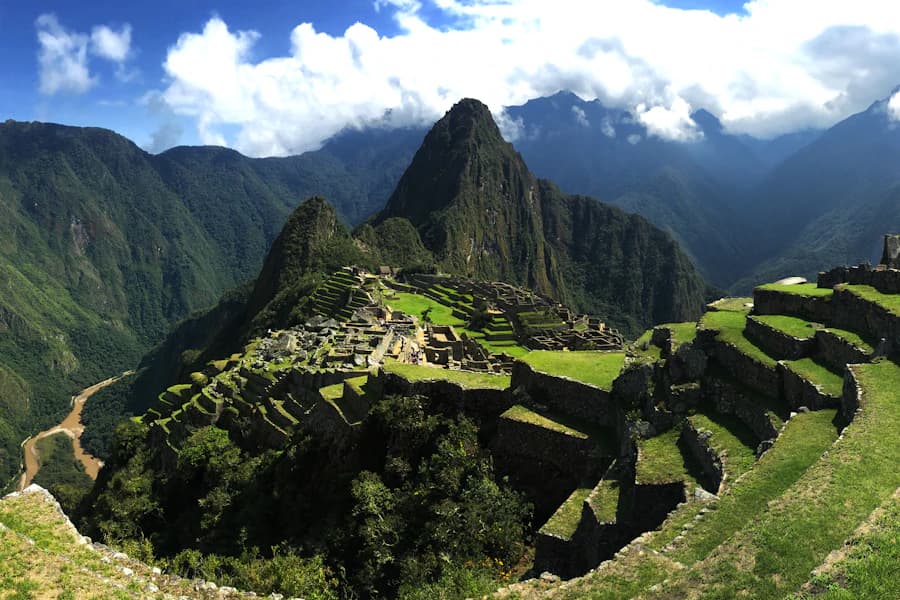
Higher than most people picture, and crucially higher than the place everyone is worried about. Machu Picchu is a cloud-forest site on a ridge, not a mountaintop city.
| Place | Feet | Meters | What it means |
|---|---|---|---|
| Lima | 528 | 161 | Sea level. No acclimatization value at all. |
| Aguas Calientes | 6,693 | 2,040 | Below the risk threshold. Comfortable for almost everyone. |
| Arequipa | 7,660 | 2,335 | A useful stepping stone if your route includes it. |
| Machu Picchu citadel | 7,972 | 2,430 | Just at the threshold. Most people feel fine here. |
| Ollantaytambo | 9,160 | 2,792 | Sacred Valley. A good first night. |
| Urubamba | 9,420 | 2,870 | Sacred Valley. Where most well-planned first nights are spent. |
| Pisac | 9,751 | 2,972 | Upper Sacred Valley. Still well below Cusco. |
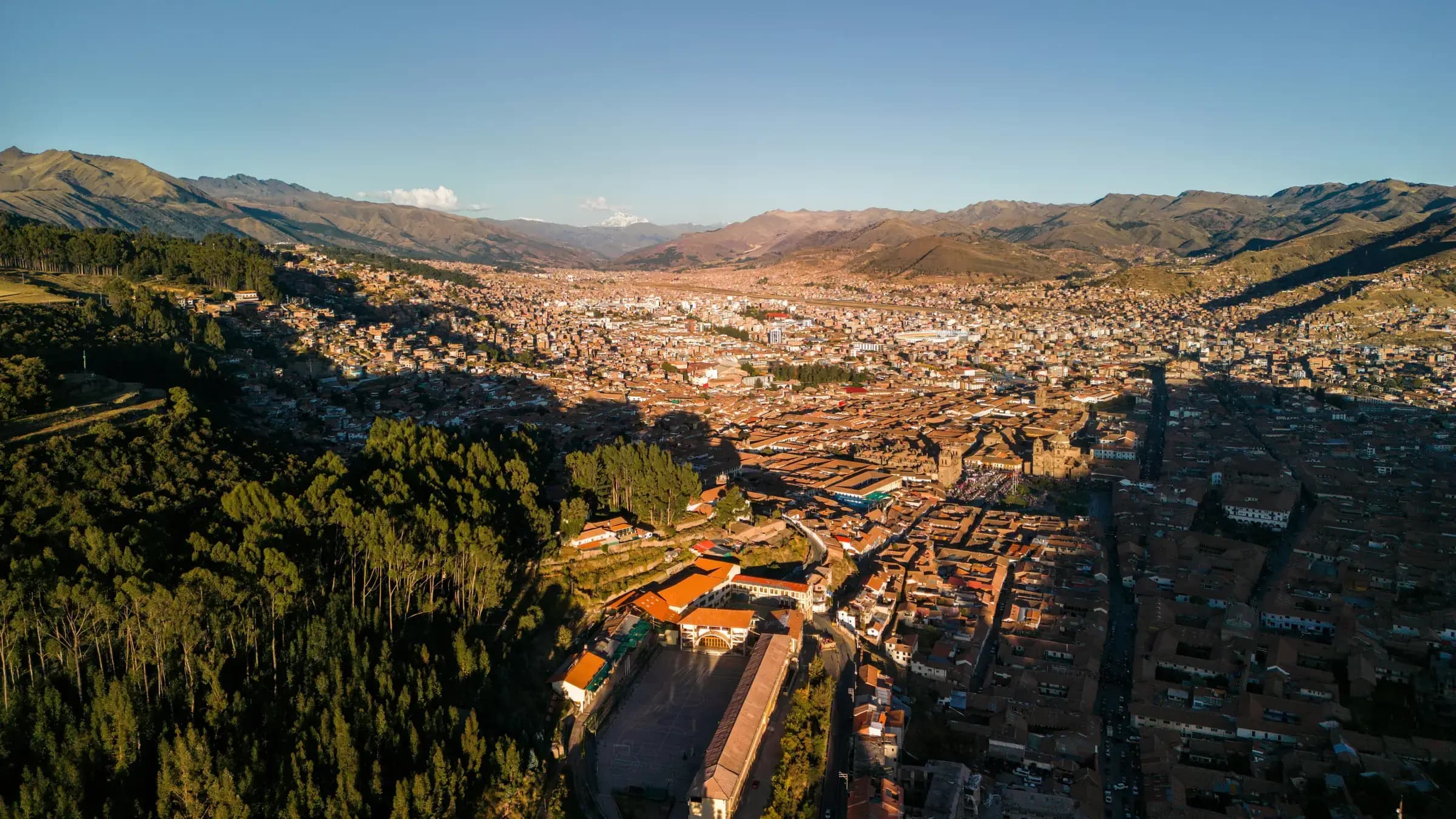
| Cusco | 11,152 | 3,400 | The top of the CDC's "moderate" band. This is where people get sick. |
| Lake Titicaca | 12,506 | 3,812 | Genuinely high. Needs Cusco time first. |
| Puno | 12,555 | 3,827 | The highest night most Peru itineraries include. |
The CDC defines high altitude as beginning around 8,000 feet, with 8,000–11,150 feet as moderate and anything above that as high. Cusco sits almost exactly on the line between the two.
Why do smart itineraries go to the Sacred Valley first?
Because the Sacred Valley is lower than Cusco, and that fact does more for your first 48 hours than any pill or tea.
You land at Cusco airport at 11,152 feet, having flown in from Lima at sea level in about ninety minutes — an ascent your body has no way to prepare for. If you check into a hotel in the historic center, you will sleep at 11,152 feet on night one, at the exact altitude where acute mountain sickness is most likely. If instead you transfer straight out to Urubamba, an hour and change by road, you sleep at 9,420 feet — over 1,700 feet lower, with warmer nights, more oxygen, and a much gentler introduction.
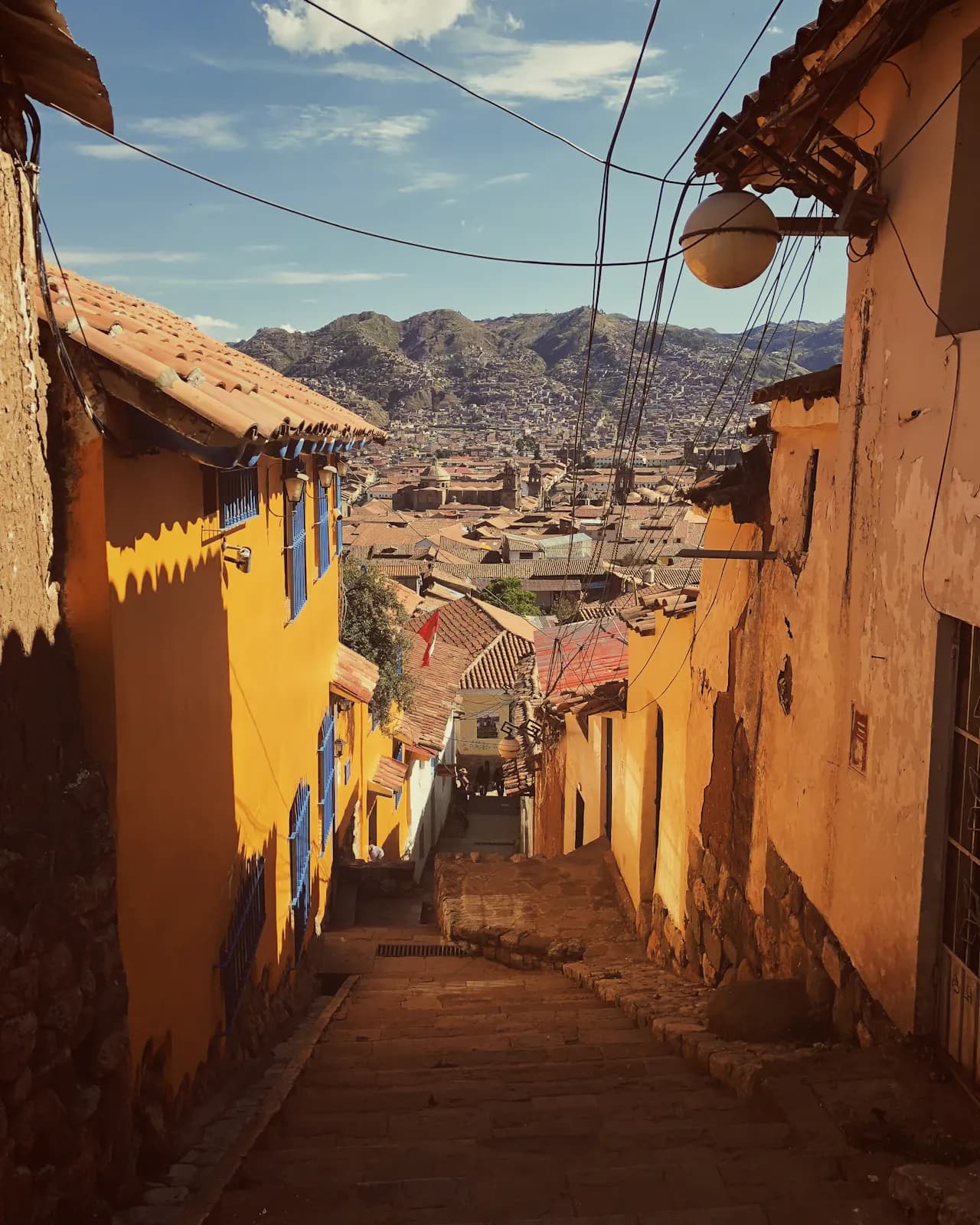
You then spend two or three days in the valley doing genuinely easy things: Pisac's market, Ollantaytambo, Maras and Moray, a long lunch. Machu Picchu, at 7,972 feet, comes next and is lower still. Only after that do you come back up to Cusco for the city — by which point you have been at altitude for the better part of a week and the cobbled hills are just hills.
The reverse order — Cusco first, valley later — is common, cheaper to operate, and worse for you. It is one of the clearest tells that an itinerary was built around logistics rather than around the traveler. Our Grand Tour of Peru and the couples' routing on our Peru honeymoons page both put the valley first for exactly this reason.
What does altitude sickness actually feel like?
Acute mountain sickness typically appears 2 to 12 hours after arriving and feels, in the CDC's own description, like a hangover. The cardinal symptom is headache. Alongside it: nausea, loss of appetite, fatigue, dizziness, and broken sleep.
It usually resolves within 12 to 48 hours as long as you don't go higher. Two useful rules of thumb: symptoms that begin more than three days after you arrived at a stable altitude are probably not AMS and are worth investigating as something else, and mild AMS is not a reason to abandon a trip — it is a reason to spend a day doing very little.
What it is not: shortness of breath while walking uphill in Cusco is normal and expected at 11,152 feet. Feeling winded on the stairs at Ollantaytambo is not a symptom. Everyone breathes harder up there.
What actually helps in the first 48 hours?
- Sleep low. The single most effective intervention, and the one that costs nothing. Above 9,850 feet, the CDC advises raising sleeping altitude by no more than about 1,600 feet per day.
- Do nothing strenuous for two days. Mild activity only. No trekking, no Huayna Picchu, no Rainbow Mountain on day two.
- No alcohol for the first 48 hours. Alcohol worsens sleep-disordered breathing at altitude and mimics AMS symptoms so well you won't know what you're dealing with. The pisco sour can wait.
- Drink water, but don't over-drink. Hydration helps; forcing three liters does not prevent altitude illness.
- Eat lightly and often. Appetite drops at altitude; skipping meals makes the headache worse.
- Book a hotel with oxygen. Most good Cusco and Sacred Valley hotels have supplemental oxygen on hand, and some have oxygen-enriched rooms. Ask before you book, not after you arrive.
Do coca tea and soroche pills work?
Coca tea is offered in every lobby in Cusco and it is a pleasant, mildly stimulating infusion. It is a cultural courtesy and a comfort. There is no good evidence that it prevents or treats acute mountain sickness, and it should not replace acclimatization or medication. Two practical cautions: coca can cause a positive result on a drug test for weeks afterward, which matters if your employer tests, and coca leaf products cannot be brought back into the United States.
"Soroche pills" sold over the counter in Peruvian pharmacies are usually a combination of aspirin, caffeine and salicylamide . They treat the headache. They do not treat the underlying hypoxia, which means they can mask a worsening problem while you keep climbing. That is the opposite of what you want.
Acetazolamide is the evidence-based option. Standard prophylaxis is 125 mg twice daily, started the day before ascent and continued for the first two days at altitude; the treatment dose is 250 mg twice daily. It genuinely speeds acclimatization. It also has side effects — tingling in the fingers, frequent urination, and a nasty effect on the taste of carbonated drinks — and it is a sulfonamide, so allergy history matters. This is a conversation with your own physician or a travel clinic several weeks before you go, not a decision to make in a Cusco pharmacy at 10pm.
Dexamethasone (typically 4 mg every six hours) is used for AMS and for high-altitude cerebral edema, but it is a treatment and an emergency descent aid rather than a routine prophylactic for a sightseeing trip. Again: your doctor's call.
When should you see a doctor — or go down?
Two conditions turn altitude from an inconvenience into an emergency, and both are rare at Cusco's elevation but not impossible.
High-altitude cerebral edema (HACE). Warning signs are altered mental status, confusion, drowsiness, and ataxia — an inability to walk a straight line heel to toe. If someone in your party cannot pass that test, that is not fatigue. Descend immediately, get supplemental oxygen, and get medical help.
High-altitude pulmonary edema (HAPE). Warning signs are chest congestion, breathlessness on exertion progressing to breathlessness at rest, a cough that may produce frothy or blood-tinged sputum, and unusual fatigue. Descent is urgent and mandatory, with oxygen.
Descent is the treatment for both, and in the Cusco region it is easy — Urubamba is under an hour away and 1,700 feet lower, Aguas Calientes is 4,500 feet lower, and Lima is a 90-minute flight to sea level. Cusco has clinics accustomed to altitude illness and hyperbaric facilities. Also see a doctor for any AMS that is worsening rather than improving after 48 hours, a headache unrelieved by simple analgesia, or vomiting that stops you keeping fluids down.
Who should be extra careful — and who should reconsider the trip?
Most healthy travelers, including children and people in their seventies and eighties, do fine in Cusco with a sensible itinerary. Age itself is not a strong risk factor. Previous altitude illness is — if you've had AMS before, you're more likely to get it again, and that is worth telling your doctor and your travel designer.
Talk to your physician before booking if you have coronary artery disease, heart failure, chronic lung disease, obstructive sleep apnea, pulmonary hypertension, sickle cell disease or trait, or any condition causing low blood oxygen at sea level. The CDC recommends these travelers consult a high-altitude medicine specialist, and notes that supplemental oxygen is highly effective for them. Pregnancy and recent surgery also warrant a conversation.
And there is a version of this trip that is genuinely the wrong trip. If your doctor says sleeping at 11,000 feet is not advisable for you, Peru is not off the table — a Lima, Paracas, Nazca and Arequipa itinerary tops out at 7,660 feet, and a coast-and-Amazon trip barely leaves sea level. But an itinerary built around Cusco, Lake Titicaca at 12,506 feet, and a Rainbow Mountain day is not a trip to talk yourself into.
How far ahead should you book — and how should the days be ordered?
Book 10–12 months ahead for June–August travel and four to six months for the shoulder months, because the acclimatization-friendly hotels in the Sacred Valley are small and go early. But the more important lead time is the four to six weeks before departure, when you should see your doctor or a travel clinic about acetazolamide, and the two spare days you should build into the front of the itinerary before anything strenuous.
A defensible 10-day shape looks like this: two nights Lima at sea level, fly to Cusco and transfer straight to the Sacred Valley for three nights at 9,160–9,420 feet, one night at Aguas Calientes or the valley around your Machu Picchu day at 7,972 feet, then three nights in Cusco at 11,152 feet at the end, when you can enjoy it. Save Huayna Picchu, the Inca Trail and anything above 12,000 feet for the back half. Our guide to Machu Picchu permits explains why the citadel entry slot has to be fixed first, which in turn sets the acclimatization days around it.
Let our Peru specialist build your acclimatization in
Allison Tucker plans Peru at Juniper Tours. She has 25 years in the business and dual US/UK citizenship, and she treats the altitude sequence as part of the design rather than a disclaimer at the bottom of an itinerary. Every Juniper trip is fully private and built from scratch — no group coaches, no fixed departures — which is precisely what lets us put the Sacred Valley on night one and move a hard day when someone wakes up with a headache.
Professional, knowledgeable, available & kind — Dottie S., verified Google review
See how the days fit together on our Peru destination page, or read Best Time to Visit Peru if you're still choosing months — cold, dry nights at altitude feel different from warm, wet ones. Couples can find the softer-landing version of this routing on our Peru honeymoons page. When you want the itinerary built around your health and your pace rather than a coach schedule, book a free consultation.