On a first Korea trip, give Seoul 4 to 5 nights, then pick one of the other two. Busan is the easier add — 2 hours 15 minutes by KTX at ₩59,800 — and gives you coast, seafood and a slower pace. Jeju is a 55-minute flight from Gimpo with departures every 15 to 30 minutes, and is the right answer only if you want volcanic landscape and resort-tier rooms. Doing all three well needs 13 days, not 10.
Key takeaways
- Seoul is non-negotiable and needs 4 to 5 nights. It is the food capital, the history, and the only city in Korea with genuine luxury hotel depth.
- Busan costs $45 and 2 hours 15 minutes to reach — the cheapest meaningful second stop in the country, with trains every 10 to 25 minutes.
- Jeju is a flight, not a side trip. Fifty-five minutes from Gimpo at ₩30,000–80,000 one way, but three nights typically adds $900 to $1,600 per person once you count island transport and resort rooms.
- Jeju is the honeymoon answer, not the first-trip answer. UNESCO volcanic landscape, Hallasan, and the country's best couples' properties — but it is not where you learn what Korea is.
- Seasons split them. Jeju holds autumn color until November 8–22, two weeks after Seoul; Busan is milder at the shoulders; Seoul peaks November 1–8.
- Ten days fits Seoul plus one. Thirteen days fits all three without any of them feeling clipped.
Seoul, Busan or Jeju — how should you split a first Korea trip?
Start from a fixed point: Seoul gets 4 to 5 nights on any first trip, and that is not negotiable. It holds the palaces, the markets, the design scene, the food that made Korean cooking famous, and the only hotel inventory in the country that runs from restored hanok at $180 a night to suites past ₩1,000,000. It is also the base for the DMZ, which is a half-day out.
Then pick one. On a 10-day trip the honest maths is Seoul plus one other place, plus ideally a historical stop like Gyeongju. On a 13-day trip you can have Seoul, Busan and Jeju, with three nights on the island. What does not work is Seoul four nights, Busan two, Jeju two — that is a lot of packing for very little island.
The tiebreaker is simple. If you want to understand Korea, take Busan and add Gyeongju on the way. If you want to rest at the end of a busy trip, take Jeju.
How do the three actually compare?
| Seoul | Busan | Jeju | |
|---|---|---|---|
| Vibe | Dense, layered, restless. Palaces one block, concept stores the next. | Coastal, unhurried, working port. Korea with the volume turned down. | Volcanic island. Green, windy, spacious, quiet out of season. |
| Days needed | 4–5 nights | 2–3 nights | 3 nights minimum |
| Access | 60–75 min from Incheon by private transfer | KTX 2 hr 15 min fastest, ₩59,800; trains every 10–25 min | 55-min flight from Gimpo, every 15–30 min, ₩30,000–80,000 one way |
| Hotels | Deepest range in Korea: $180 hanok to $700+ suites | Good beachfront and city hotels; a real luxury tier at Haeundae | Resort-tier south coast properties; the country's best couples' rooms |
| Food | The best and broadest in Korea, at every price | Seafood, and specifically Jagalchi market | Black pork, hairtail, abalone. Good, narrower. |
| Autumn peak | Oct 28 – Nov 12 | Early-to-mid November | Nov 8–22 |
| Best for | Depth, food, history, first-timers | Slowing down without leaving the mainland | Nature, walking, honeymoons |
| Skip if | You cannot — don't skip Seoul | You have only 8 days | You want to understand Korea rather than relax in it |
What is Seoul actually for?
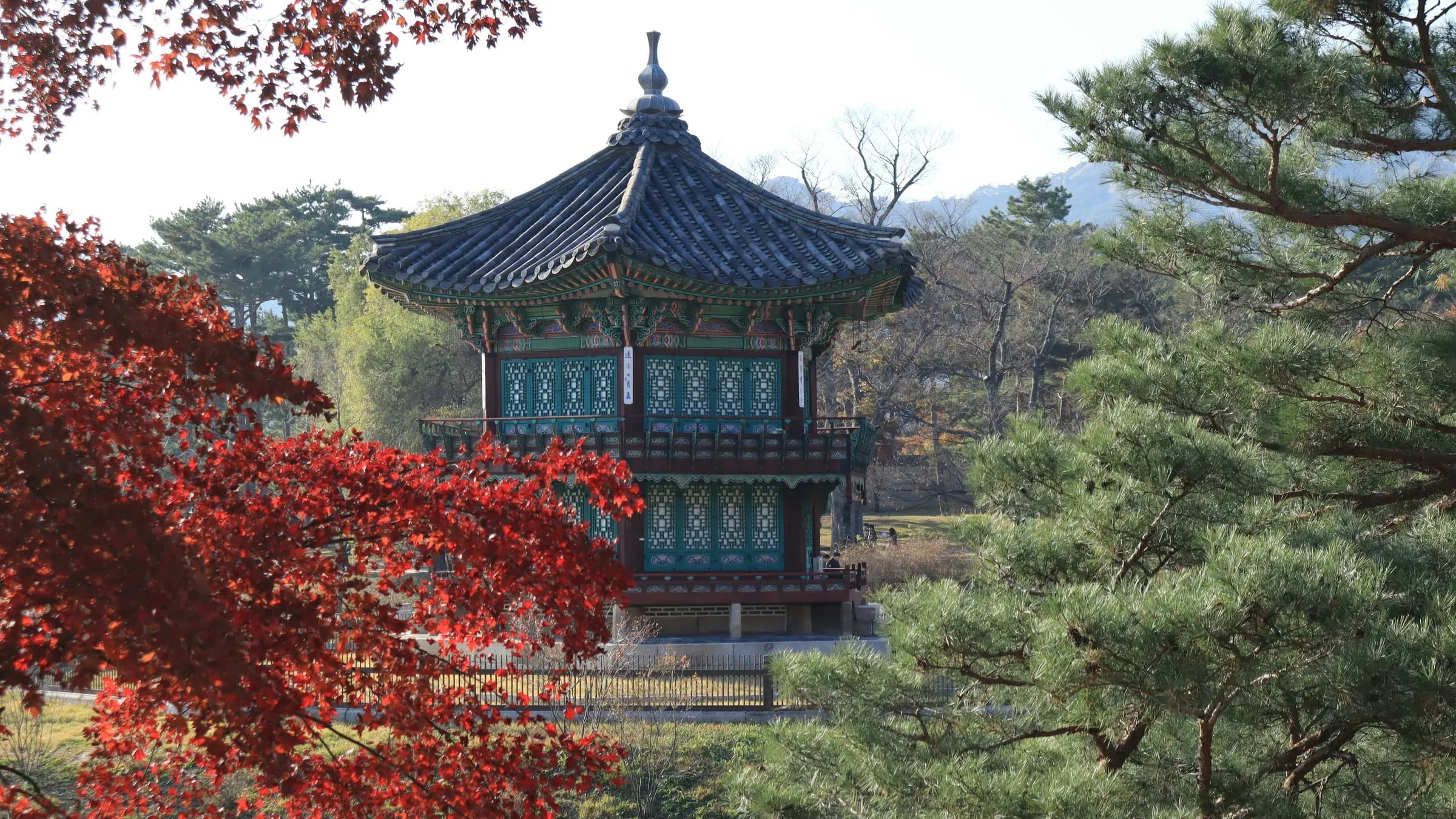
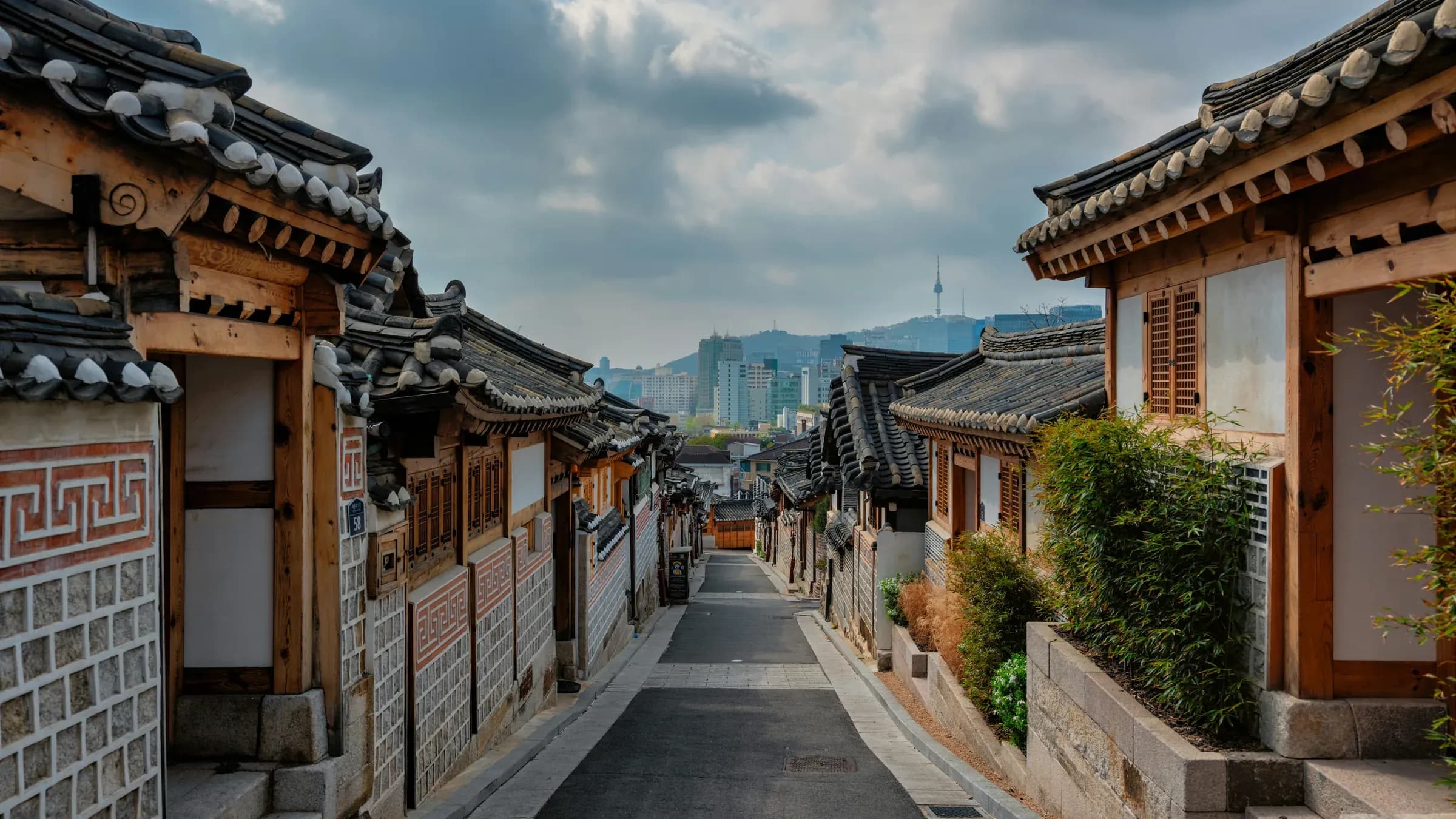
Depth and food. Seoul rewards long days and repeat visits to the same neighborhood more than it rewards a monument checklist. Gyeongbokgung and Changdeokgung are genuinely great, and so is the hour you spend walking Seochon's back lanes with no plan. Gwangjang Market at 11 a.m. is a different city from Gwangjang Market at 9 p.m.
It is also the only place in the country where the hotel can be part of the point. Boutique and hanok stays run $180 to $320 a night; upper-upscale properties like Josun Palace list from about $379; the top of the market has pushed past ₩1,000,000, roughly $700. Nowhere else in Korea has that range.
The argument for five nights over four: Seoul is where a guide changes the trip most, and guided days cost $550 to $770. Two guided days and three unguided ones is a better shape than four rushed ones.
Is Busan worth two nights?
Yes, and it is the best-value decision in Korean travel. The train is 2 hours 15 minutes at ₩59,800 standard or ₩83,700 first class, running every 10 to 25 minutes from early morning until about 10:50 p.m. Nothing else in the country gives you that much change of scene for that little friction.
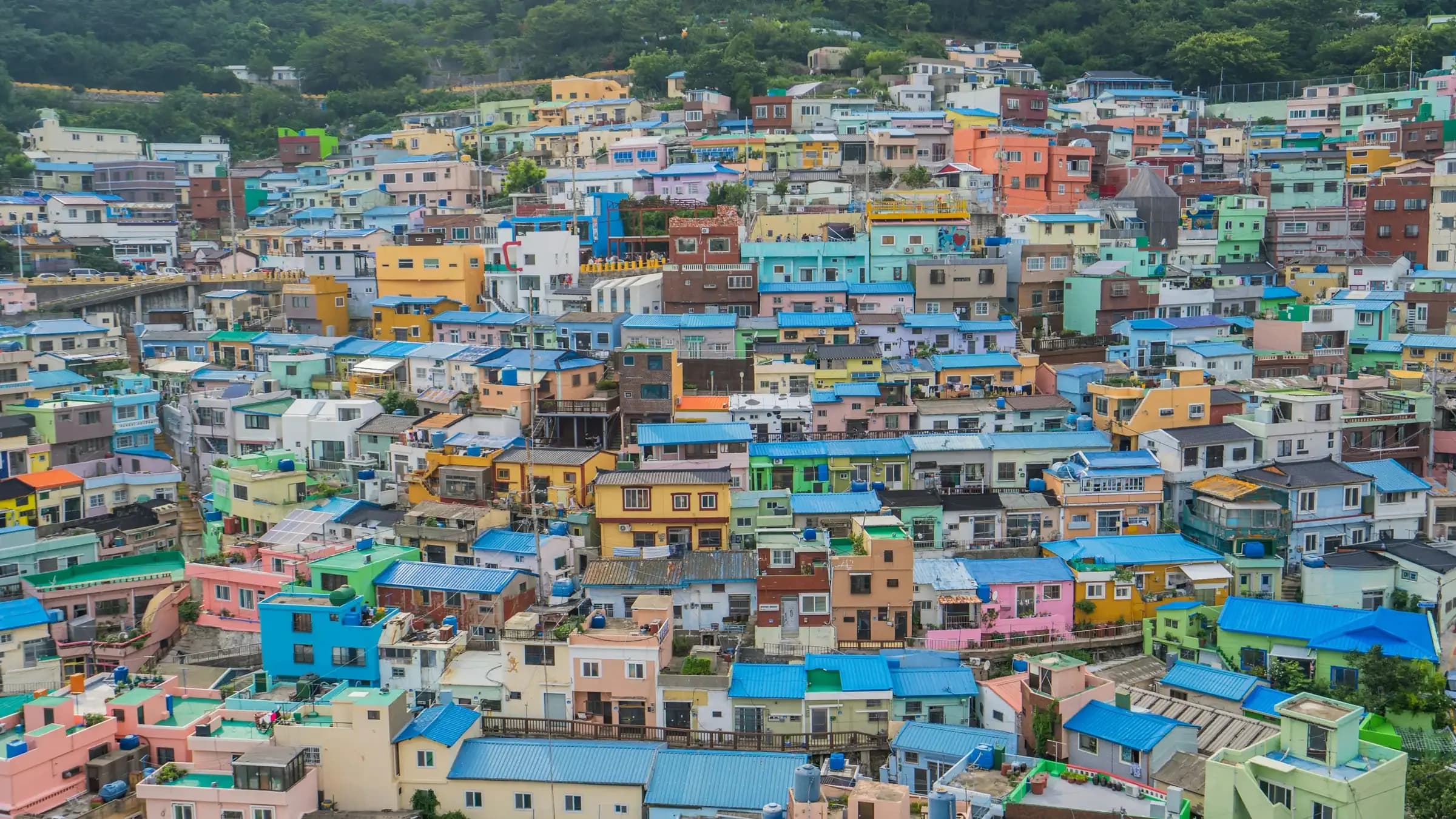
Busan is a port city built up hillsides, and the pleasure of it is the pace. Jagalchi fish market, the painted terraces of Gamcheon, the coastal walk at Taejongdae, Haedong Yonggungsa temple on the rocks north of town, and Gwangalli beach with the bridge lit at night. It is not a cultural heavyweight and does not pretend to be.
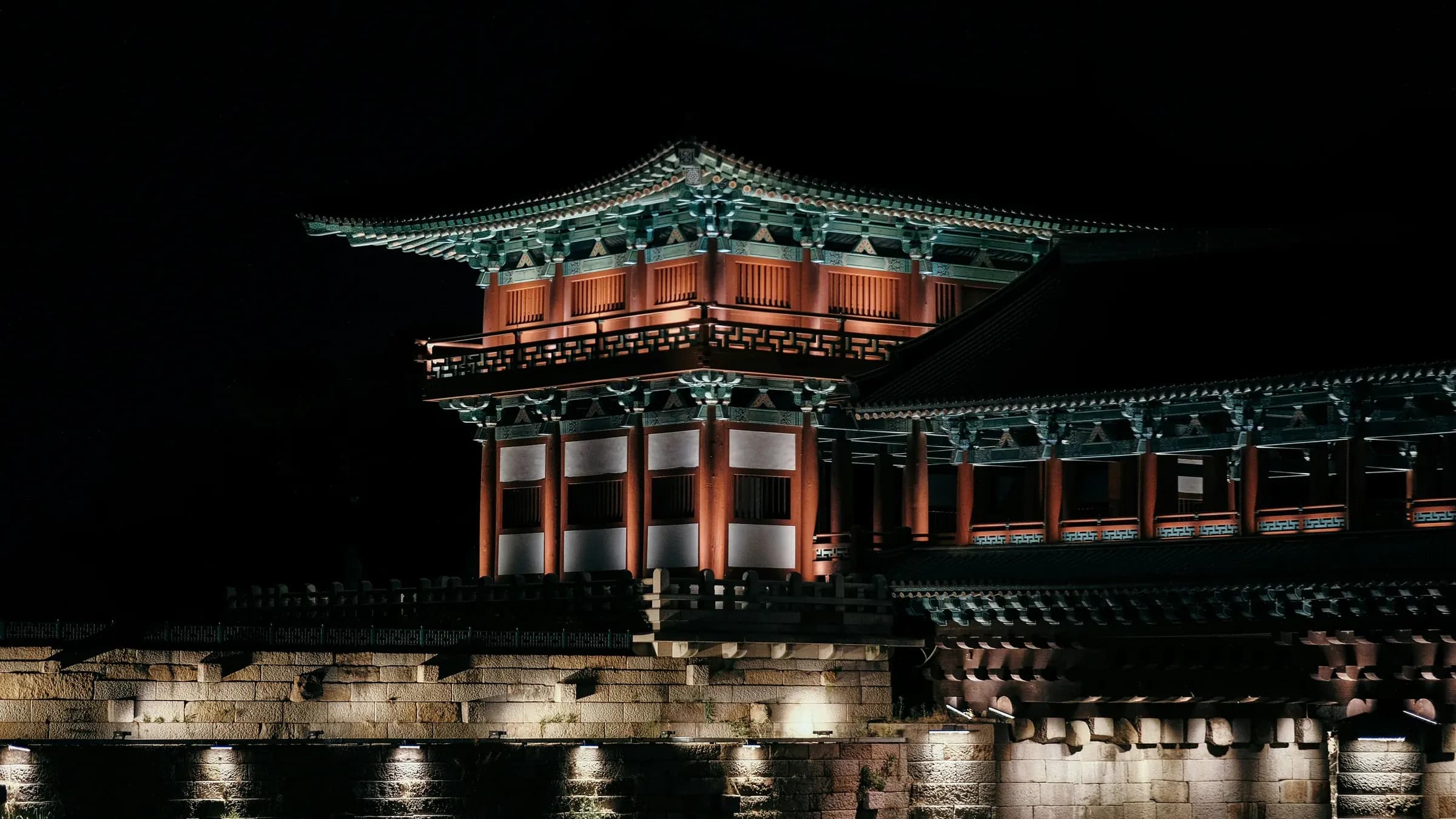
The strong move is to stop at Gyeongju on the way — it is about 30 minutes north of Busan by KTX and holds a thousand years of Silla capital in a walkable town. That combination, laid out day by day, is the backbone of our 10-day itinerary beyond Seoul.
Is Jeju worth the flight?
It depends entirely on what you want from the end of your trip. Jeju is a volcanic island with UNESCO-listed lava tubes, Korea's highest peak in Hallasan, black-sand coastline, and a genuinely different culture — the haenyeo free-divers, distinct food, its own dialect. The flight is trivial: 55 minutes from Gimpo, departures every 15 to 30 minutes, ₩30,000 to ₩80,000 one way, cheapest booked 3 to 6 weeks out. Gimpo is 30 to 40 minutes from central Seoul.
What is not trivial is the island itself. Distances are real, good guides are scarcer than on the mainland, and the south-coast resorts are priced as resorts. Three nights typically adds $900 to $1,600 per person to a trip. A ferry alternative exists from Mokpo, about 4.5 hours by regular ferry or an hour by hydrofoil, but it is a logistics answer rather than a travel one.
Jeju is where Korean honeymoons go, and for good reason — the rooms, the space, and the fact that you can do nothing there without feeling you are wasting the trip. That case is made properly on our South Korea honeymoons page, and tested honestly in our answer on whether Korea suits a honeymoon at all.
Which one is best for a honeymoon?
Jeju, then Seoul, then Busan — but only in that order if you want the last few days to be restful. The shape most of our couples end up with is 4 nights Seoul, 3 nights Jeju: the city first while you have energy, the island second when you want a long breakfast and a walk on Hallasan.
Couples who want a more active honeymoon flip it and take Busan instead, usually with Gyeongju in the middle. That version has more to talk about afterward and less to lie down on. Neither is wrong. What is wrong is trying to do both islands and coast in seven nights.
One seasonal note in Jeju's favor: the island holds autumn color from November 8 to 22, two weeks after Seoul's peak, so a late-season honeymoon can catch the leaves twice.
How does the season change the answer?
More than most people expect. In April, blossom reaches Jeju and Busan around March 25 and Seoul around April 3, with full bloom roughly a week later in each — so a south-to-north trip in early April tracks the bloom. In autumn, the wave runs the other way: Seoul peaks November 1–8, Gyeongju November 5–12, Jeju November 10–17, so a north-to-south route catches color three times.
In July and August the calculation changes completely. Seoul takes 415 mm of rain in July at 73 to 75 percent humidity, and the monsoon front reaches the capital around June 25 on the long-term average. Jeju and Busan are wetter and windier still, and typhoon risk peaks in August and September. Summer is a Seoul trip, not an island one. The full month-by-month picture is in our guide to the two windows that matter.
Who this suits — and who it doesn't
Seoul plus Busan suits curious, mobile travelers who like cities, trains and eating standing up. Seoul plus Jeju suits couples and anyone who wants the trip to end quietly rather than at pace.
Neither suits a traveler looking for a warm-water beach holiday. Jeju's coastline is dramatic and cold, and Busan's beaches are a Korean summer institution rather than a Caribbean one — if swimming is the point, this is the wrong country and we will say so. Jeju also does not suit a first-time visitor with only eight days: you will have spent a quarter of the trip in transit for an island you barely met. And Busan does not suit anyone who needs a luxury hotel to be the reason they came; it has good rooms, not defining ones.
How far ahead should you book?
Eight to eleven months for April blossom or the late-October to mid-November foliage window. Jeju's best south-coast properties and Seoul's top rooms are the two constraints, and they bind at different times — the island fills for Korean domestic holidays, the city for international peak weeks. For May, September or a winter trip, 4 to 6 months is comfortable.
Two timing details your specialist handles: KTX reservations open about 30 days out at fixed fares, so early booking buys a seat rather than a saving, and Jeju flights are cheapest 3 to 6 weeks ahead, with last-minute fares running two to three times higher.
Let our South Korea specialist split your trip
Cherisse Liptzin plans our South Korea itineraries. She was raised in one of the country's largest Korean-American communities, has explored 21 countries and counting, and is unusually willing to tell people that the island they had their heart set on is not the right use of their week. Every Juniper trip is fully private and built from scratch — no group coaches, no fixed departures.
I used Juniper Tours for my honeymoon trip, and it was absolutely perfection! — Caylie N., verified Google review
Tell us how many nights you have and what you want the last three days to feel like, and we will split the trip accordingly. Start with our South Korea destination page, see what a full route looks like in our breakdown of what a Korea trip costs, then book a free consultation.