Ten days is enough for four places, not one. The route that works is Seoul (4 nights) — Andong (1) — Gyeongju (2) — Busan (2), linked by rail: Seoul to Andong in about 2 hours, Seoul to Singyeongju in 1 hour 55 minutes, and Gyeongju to Busan in about 30 minutes. Total intercity travel time is under six hours across the whole trip, and the KTX legs cost roughly ₩130,000 per person combined.
Key takeaways
- Most first Korea trips never leave Seoul, and it is the single biggest planning mistake. Seoul is 4 nights of a 10-day trip, not 9.
- Korea's rail network makes the country small. Seoul to Busan is 2 hours 15 minutes on the fastest KTX at ₩59,800, with departures every 10 to 25 minutes.
- Gyeongju is the reason to leave Seoul. A thousand years of Silla capital, walkable, and 1 hour 55 minutes from Seoul — but Singyeongju station is 8 km from town, so build in the transfer.
- Andong or the Jeolla food region is the choice that defines your trip. Andong for Confucian villages and mask dance; Jeonju for the best food in a country of good food, 1 hour 44 minutes from Seoul's Yongsan station.
- Busan closes the loop better than Seoul does. Coast, seafood, and a slower pace, 30 minutes from Gyeongju, with a direct flight home from Gimhae or an easy KTX back.
- The DMZ is a Seoul day trip, not a detour. Standard tours run daily except Mondays and major holidays; JSA/Panmunjom has been closed to civilian tours since July 2023.
- Ten days needs 12 to 14 days of leave. Flights run 11.5 to 16 hours each way depending on your US gateway.
Is 10 days enough for South Korea?
Yes — comfortably, if you use the trains. Korea is about the size of Indiana with a high-speed rail spine running its full length, so the distances that look intimidating on a map cost you two hours. A well-built 10-day route moves four times and never spends a whole day in transit.
What 10 days is not enough for is Seoul plus Jeju plus a proper mainland loop. Jeju is a flight and a different kind of trip, and squeezing it in turns a good itinerary into a checklist. If Jeju matters to you, either extend to 13 days or drop Andong and give the island three nights — a trade-off we set out in our comparison of Seoul, Busan and Jeju.
What is the best 10-day South Korea route?
| Leg | How | Time | Fare (standard) | Nights |
|---|---|---|---|---|
| Arrive Incheon → Seoul | Private transfer | 60–75 min | — | 4 |
| Seoul (Cheongnyangni) → Andong | KTX-Eum | About 2 hours | About ₩25,000 | 1 |
| Andong → Gyeongju | Private car | About 1 hour 45 min | — | 2 |
| Gyeongju (Singyeongju) → Busan | KTX | About 30 min | About ₩11,000 | 2 |
| Busan → Seoul (or fly home from Gimhae) | KTX | 2 hr 15 min fastest; 2 hr 30–2 hr 50 typical | ₩59,800 (₩83,700 first class) | 1 if returning |
The alternative western route swaps Andong and Gyeongju for the Jeolla food region: Seoul to Jeonju is 1 hour 44 to 1 hour 53 from Yongsan station at about ₩34,400, with roughly 20 KTX departures a day. Take Jeolla if you are going to Korea principally to eat, and Andong–Gyeongju if you are going for history.
What do you do with four nights in Seoul?
Day 1 — Arrive. Land at Incheon, transfer in, and do nothing ambitious. Walk Euljiro at night and eat where the office workers are.
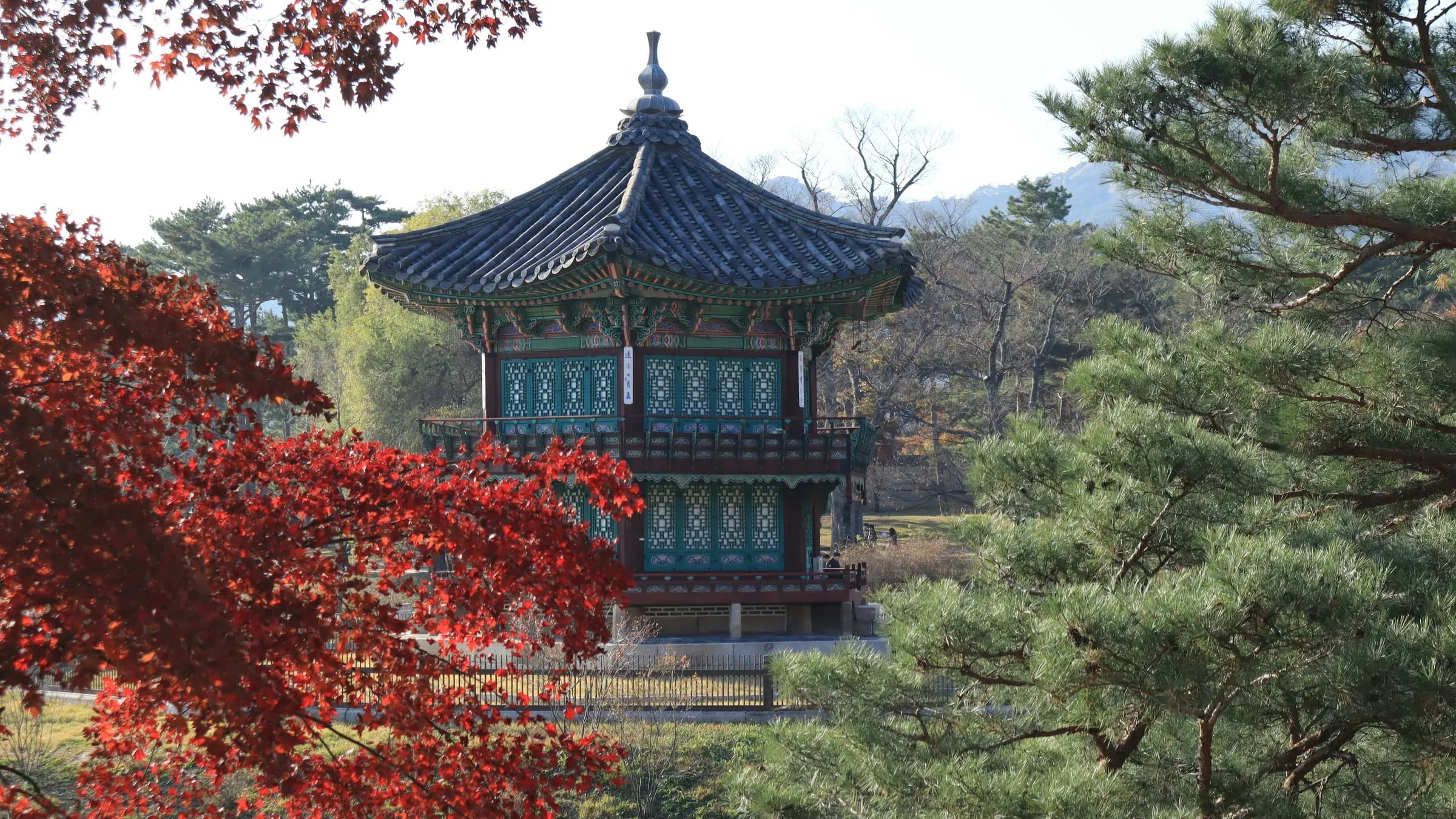
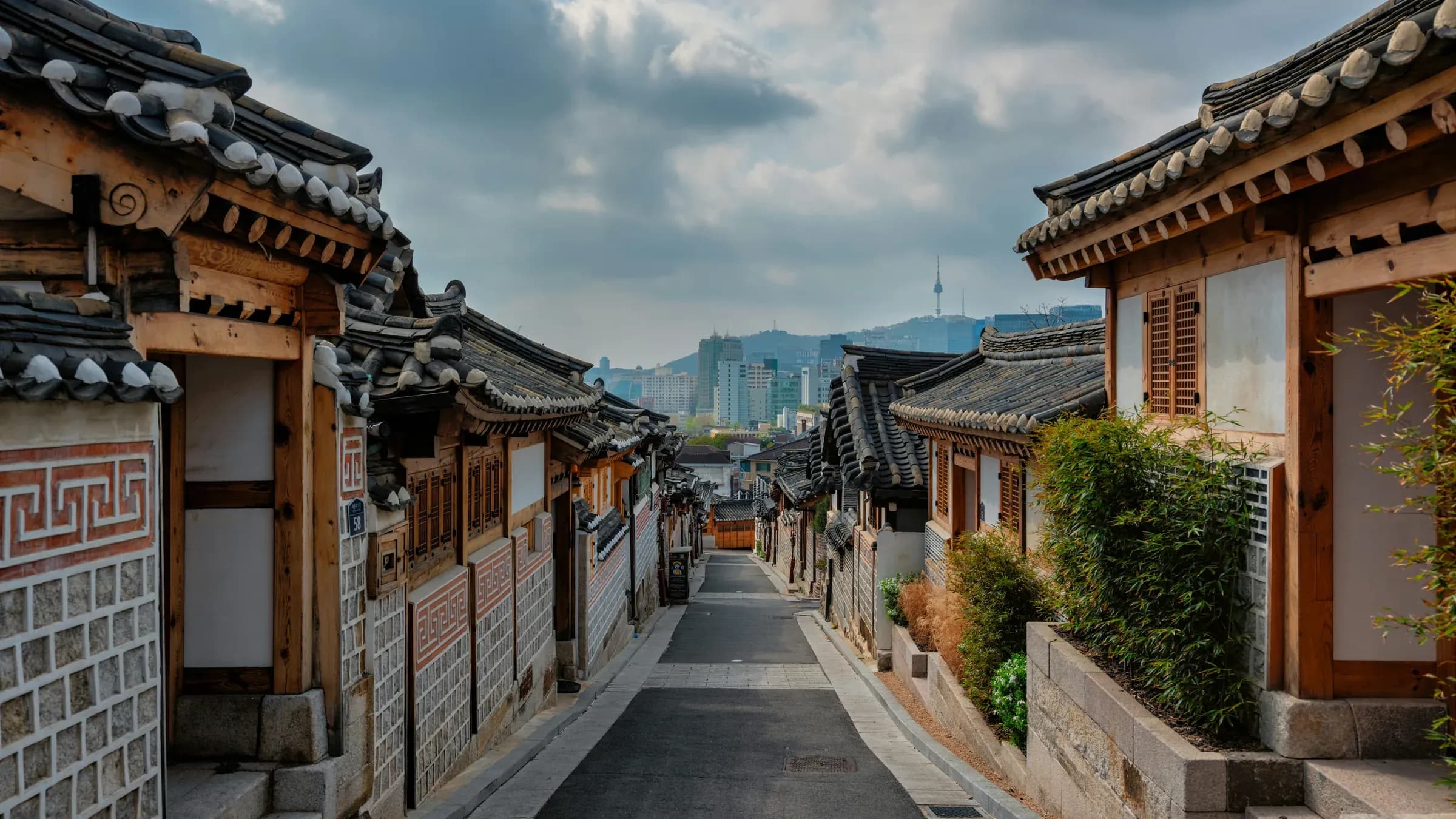
Day 2 — The old city. Gyeongbokgung at opening, then Bukchon's hanok lanes on foot, then Insadong and the Jogyesa temple complex. Palace admission is a few dollars; many Seoul sites are free. Finish at Gwangjang Market. This is the day a guide earns their $550 to $770 most obviously — Korean history is layered and largely unsignposted in English.
Day 3 — The modern city. Dongdaemun Design Plaza, the Leeum museum, Seongsu for coffee and independent design, Gangnam if you want to see what the money looks like. Evening at a proper Korean barbecue with a table someone else is grilling at.
Day 4 — The DMZ. A half-day out of Seoul that changes how the rest of the trip reads. Details below. Get back for late-afternoon Namsan and dinner in Seochon.
Is the DMZ worth a day, and what can you actually see?
It is worth a day, with one significant caveat. JSA/Panmunjom — the blue conference huts you have seen photographed — has been closed to civilian tours since July 2023, and access remains unpredictable; the JSA Visitor Center partially reopened in summer 2025. Any operator selling a guaranteed JSA visit is selling something they cannot control.
What is reliably open is the standard DMZ circuit: Imjingak Peace Park, the Third Infiltration Tunnel, Dora Observatory, and the Mangbaedan altar. It runs daily except Mondays, when the Third Tunnel closes for maintenance and tours substitute the Second Tunnel and Aegibong Observatory, and it does not run on major holidays including Seollal, Chuseok, and Liberation Day on August 15.
The rules are strict and enforced at the gate. Bring a physical passport — photocopies and phone images are refused, and it must be the same passport used on the booking manifest. Wear long pants and closed-toe shoes; shorts, ripped jeans, sleeveless tops, sandals, camouflage and flag-print clothing get you turned away with no refund. Standard tours need 2 to 3 days lead time; group half-days run $45 to $55 per person and private tours from about $200 per group.
Why Gyeongju, and how many nights does it need?
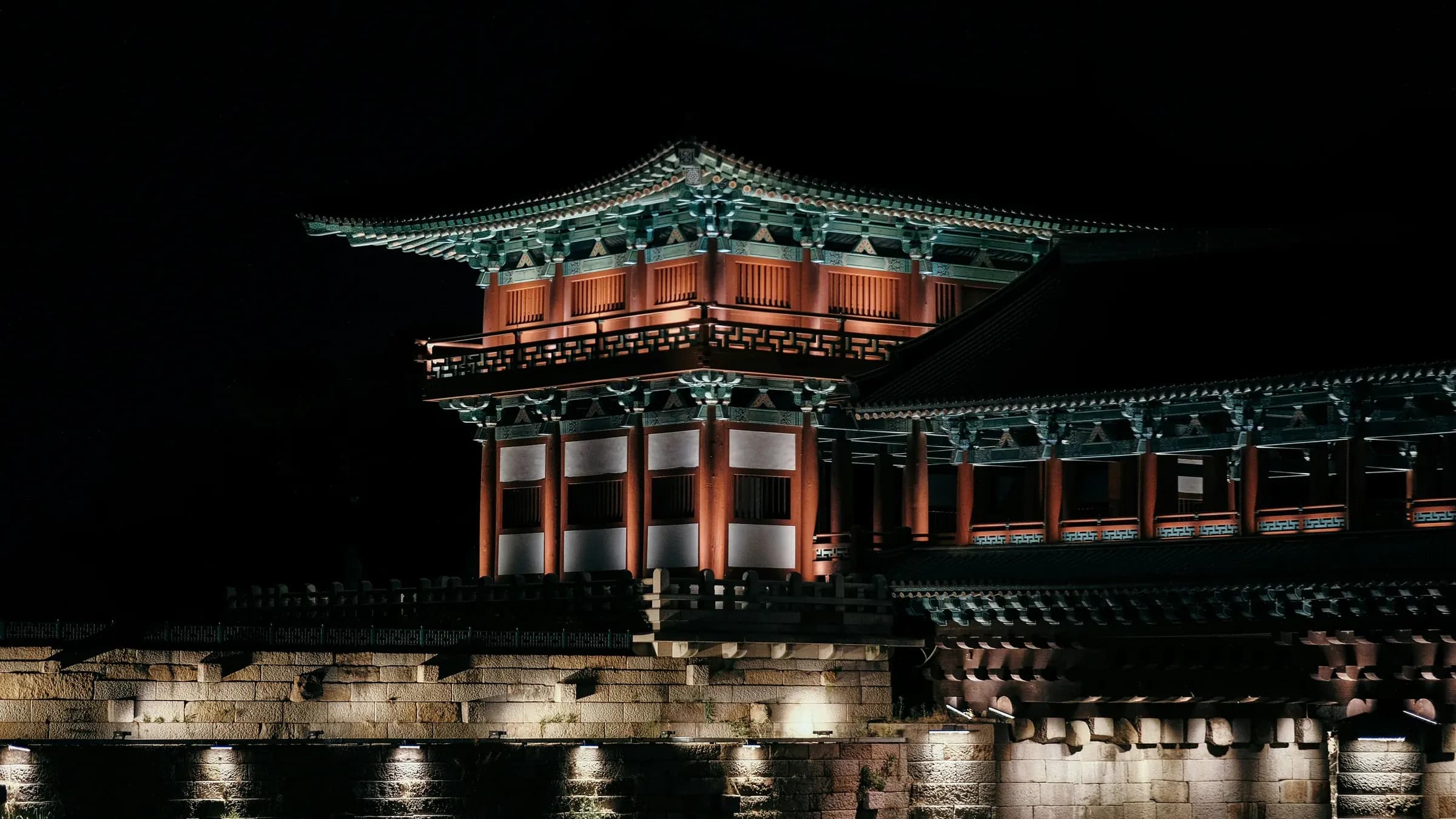
Two nights, and it is the most under-visited great place in Northeast Asia. Gyeongju was the capital of the Silla kingdom for nearly a thousand years, and unlike Kyoto it is not a working metropolis with heritage inside it — it is a small city built around grass burial mounds, so the whole place reads as one open-air site. Bulguksa temple and the Seokguram grotto sit in the hills above town; the tumuli park, Cheomseongdae observatory and Donggung palace pond are walkable from the center.
Two logistics notes. Singyeongju KTX station is about 8 km west of central Gyeongju — a 15-minute taxi at ₩12,000 to ₩15,000, or 30 minutes on local buses 60 and 61. And Gyeongju's hotels are comfortable rather than luxurious; this is a place where the right move is a good room, an excellent guide, and low expectations of the spa. Time it for the first half of November if you can: Gyeongju's foliage peaks November 3 to 18, later than Seoul's.
Andong or the Jeolla food region — which should you pick?
| Andong | Jeolla (Jeonju and south) | |
|---|---|---|
| Access from Seoul | KTX-Eum from Cheongnyangni, about 2 hours | KTX from Yongsan, 1 hr 44 – 1 hr 53, about ₩34,400 |
| What it's for | Confucian Korea — Hahoe folk village, Dosan Seowon academy, mask dance | Food — bibimbap's home city, hanjeongsik banquets, makgeolli, fermentation |
| Fits with | Gyeongju and Busan, as one eastward arc | A western loop; awkward to combine with Gyeongju in 10 days |
| Nights | 1–2 | 2 |
| Choose it if | You want to understand why Korea is the way it is | You came to eat and you are serious about it |
You cannot sensibly do both in 10 days. Trying to means a west-to-east crossing that eats the better part of a day and puts you in a car when you should be at a table.
What do you do with two nights in Busan?
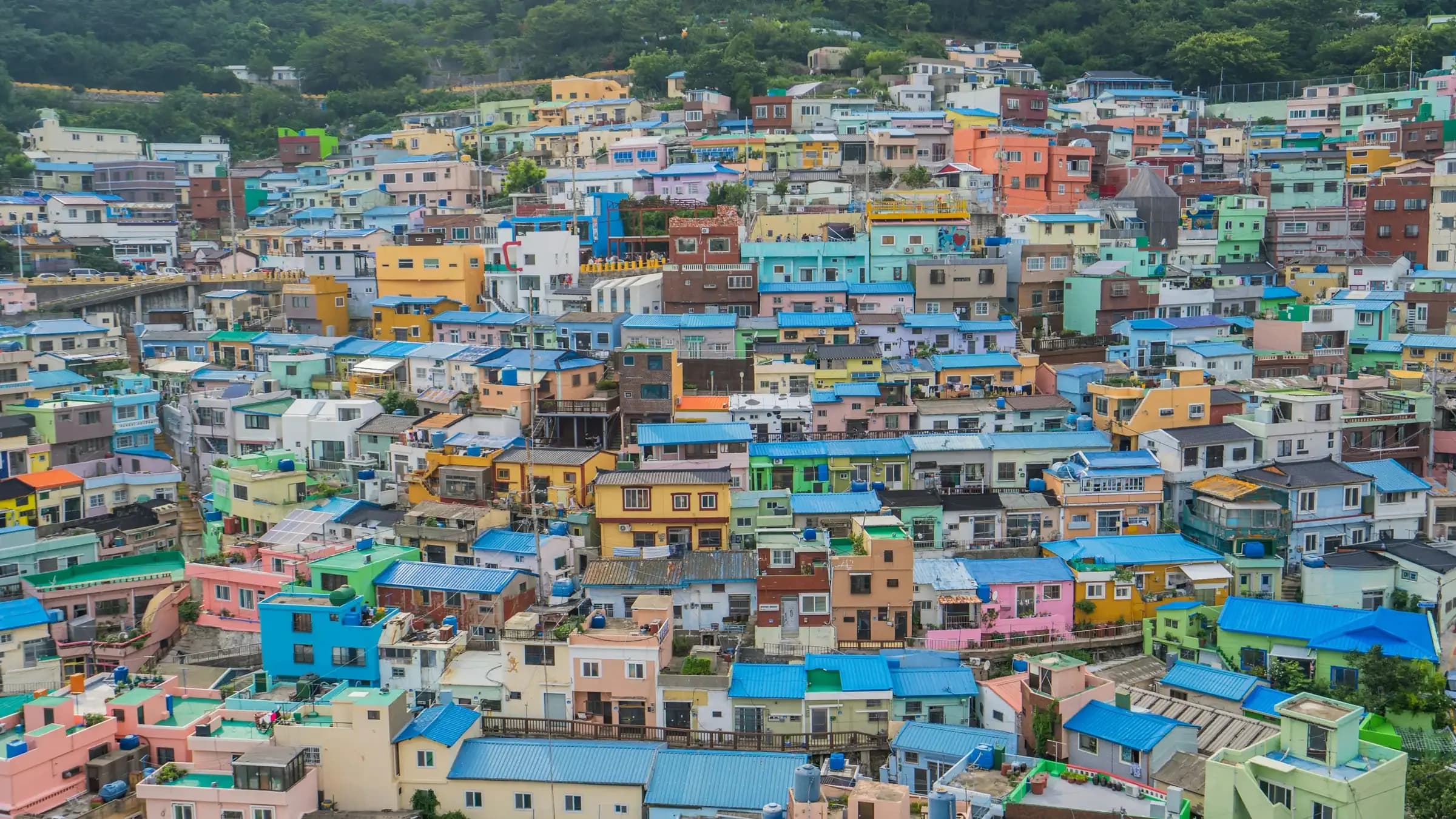
Day 8 — Arrive from Gyeongju in about 30 minutes. Jagalchi fish market in the morning of the following day is the obvious anchor, but the better Busan is the residential one: Gamcheon culture village on the hillside, the coastal path at Taejongdae, Haeundae for the beachfront and Gwangalli for the bridge at night.
Day 9 — The temple and the coast. Haedong Yonggungsa sits on the rocks north of the city and is worth an early start to beat the crowds. Then eat: Busan's seafood is the reason many Koreans go to Busan.
Day 10 — Home. Fly out of Gimhae with a connection, or take the KTX back to Seoul in 2 hours 15 minutes and fly from Incheon. If you have an eleventh day, spend it in Seoul rather than adding a fifth city.
What should you know before you go?
US citizens are visa-free for 90 days. The K-ETA requirement is waived through December 31, 2026 and is scheduled to become mandatory again on January 1, 2027; approvals last three years, so applying during the 2026 waiver can cover a 2027 trip. Travelers using the waiver complete an e-Arrival Card instead.
KTX reservations open about 30 days before travel at fixed fares — early booking secures a seat, not a discount. Trains are punctual to the minute and large luggage is a nuisance in the racks, so pack accordingly. And Korean addresses do not work the way you expect; a private driver on the Andong–Gyeongju leg saves more time than the money suggests.
Who this suits — and who it doesn't
This itinerary suits travelers who want a country rather than a capital: people who enjoy trains, walk 15,000 steps without complaining, and would rather eat at a market counter than in a hotel dining room. It suits second-time Asia travelers, and it suits couples who want a honeymoon with things to talk about afterward — see our honest answer on Korean honeymoons.
It does not suit anyone who wants to unpack once. You will change hotels four times, and no amount of private transfer makes that restful. It does not suit travelers who want resort standards outside the big cities — Gyeongju and Andong do not have them. And if what you actually want is beach time and a spa, this is the wrong route entirely; that trip is Seoul plus Jeju, and it is a different and perfectly good itinerary.
How far ahead should you book?
For the two windows that matter — April blossom and the late-October to mid-November foliage run — 8 to 11 months. Gyeongju has a handful of properties worth staying in and they sell out first, and the best English-speaking guides are booked before the hotels are. Our guide to the two windows that matter sets out the regional timing in detail. For May, September or a winter trip, 4 to 6 months is fine. DMZ tours need only 2 to 3 days, but on a private trip we lock them earlier because Monday closures constrain the whole Seoul block.
Let our South Korea specialist build your itinerary
Cherisse Liptzin designs our South Korea trips. Raised in one of the country's largest Korean-American communities, a self-described foodie who has explored 21 countries, she builds routes around meals as much as monuments — which is the right way to plan Korea. Every Juniper trip is fully private and built from scratch: no group coaches, no fixed departures, no one else's pace.
Absolutely phenomenal experience! From beginning to end, every part of the process was seamless. — Nathaniel C., verified Google review
Tell us your dates and whether you lean history or food, and Cherisse will tell you which version of this route is yours. Start with our South Korea destination page, look at South Korea honeymoons if you are traveling as a couple, then book a free consultation.