The best castle tours in Europe are in Scotland, Ireland, France’s Loire Valley, Bavaria in Germany and central Spain — five regions where you can see a string of great castles in a week, and in Scotland, Ireland and Spain, sleep in some of them too. Portugal, Wales, Italy and Switzerland add shorter castle days to a wider trip.
Here is where to go, the castles worth building a trip around, and how to see them without the queues.
| Region | Castles to see | Why go | Juniper itinerary |
|---|---|---|---|
| Scotland | Edinburgh, Stirling, Eilean Donan, Urquhart | Highland scenery, whisky, castle hotels | Castles & Whiskey |
| Ireland | Blarney, Kilkenny, Trim, Ashford | Stay in a castle hotel | Irish Castle Hotels & Whiskey |
| France (Loire) | Chambord, Chenonceau, Amboise | Renaissance châteaux and wine | Wine Tour of Central France |
| Germany (Bavaria) | Neuschwanstein, Hohenschwangau | The fairytale castle | Bavarian Adventure |
| Spain | Alcázar of Segovia, the Alhambra, Belmonte | Moorish palaces, castle hotels (paradores) | Castles & Wineries of Central Spain |
| Wales | Caernarfon, Conwy, Harlech | UNESCO-listed medieval castles | London & Wales |
| Italy | Castles of Piedmont and Tuscany | Castles with wine estates | Italy Wine Tour with Castles |
| Portugal | Pena Palace, the Moorish Castle, Óbidos | Romantic Sintra, walled towns | Portugal Uncovered |
| Switzerland | Château de Chillon | A lakeside castle on a scenic rail trip | Switzerland Grand Rail Tour |
Where are the best castle tours in Europe?
Scotland — castles, lochs and whisky
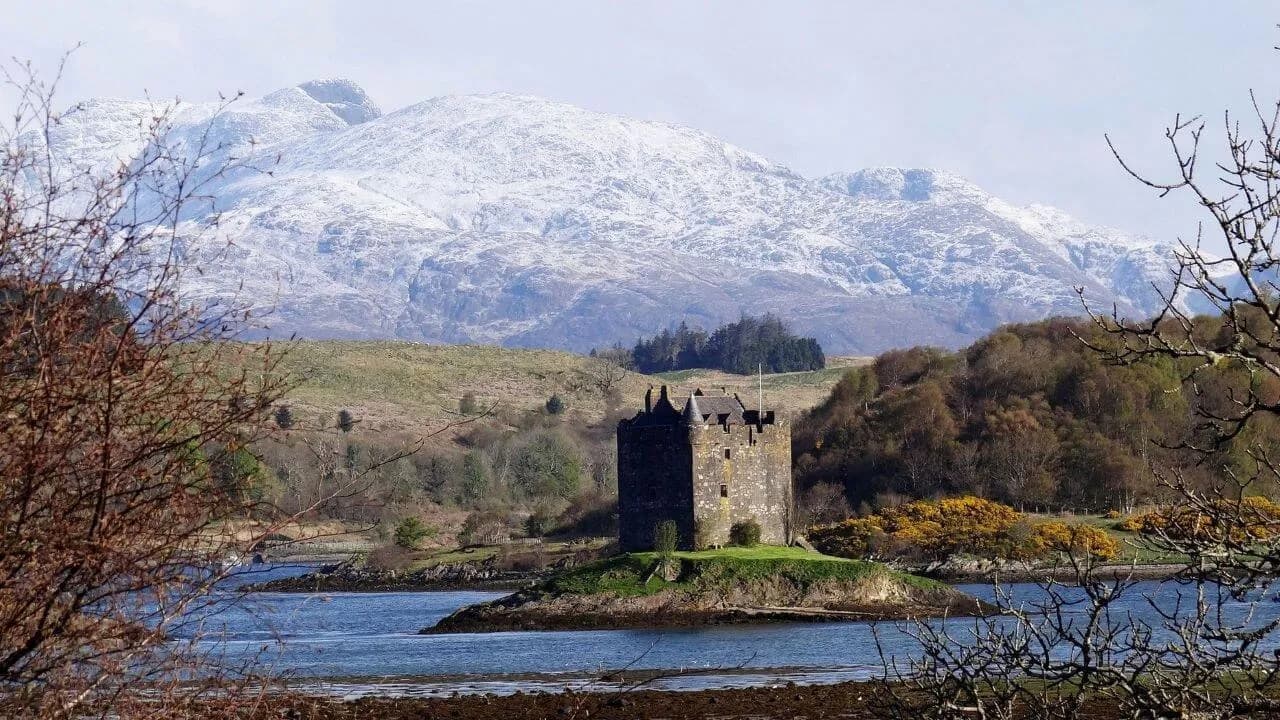
Scotland has the most varied castle touring in Europe. Edinburgh Castle crowns the capital on its volcanic rock and holds the Scottish Crown Jewels; Stirling Castle, an hour away, was a favorite royal residence and has a beautifully restored Renaissance palace. In the Highlands, Eilean Donan stands on a small island where three sea lochs meet, and Urquhart Castle looks out over Loch Ness. Add a night in a Highland castle hotel and a Speyside distillery or two, and you have a classic week. Our guide to Scotland castle tours explains which heritage passes cover which castles.
Ireland — stay in the castle
Ireland has thousands of castles and castle ruins — see how many castles are in Ireland — and some of the best castle hotels in Europe. Visit Blarney Castle to kiss the stone, Kilkenny Castle in the heart of a medieval city, and Trim Castle, the largest Anglo-Norman castle in Ireland. Then sleep in one: Ashford Castle in County Mayo, whose origins go back to 1228, is the most famous. See our guides to the best castle hotels in Ireland, Ireland castle tours and Ireland’s oldest castles.
France — the châteaux of the Loire Valley

The Loire Valley has hundreds of châteaux, from fortified medieval castles to Renaissance palaces. Chambord, built for Francis I, has more than 400 rooms and a famous double-spiral staircase. Chenonceau spans the River Cher on a series of arches and is known as the “Château des Dames” for the women who shaped it. Amboise overlooks the river near Clos Lucé, Leonardo da Vinci’s last home. Pair the châteaux with wine tastings in Vouvray and Chinon.
Germany — Neuschwanstein and the Bavarian Alps
Neuschwanstein, the castle King Ludwig II of Bavaria began in 1869 and never finished, is the original fairytale castle and one of the most visited in Europe. Interiors can only be seen on a timed guided tour, and tickets for summer dates sell out well ahead, so book as soon as your dates are set. Hohenschwangau, where Ludwig grew up, stands across the valley. Elsewhere in Germany, the Rhine and Mosel valleys are lined with castles, and Heidelberg’s castle ruin overlooks its old town.
Spain — Moorish palaces and castle hotels
The Alcázar of Segovia, rising like a ship’s prow above two rivers, is often said to have inspired Disney’s castles. The Alhambra in Granada, a Nasrid palace-fortress, is one of the most visited monuments in Spain — entry is by timed ticket and the palaces sell out weeks ahead in high season. In La Mancha, the 15th-century Castillo de Belmonte is one of the best-preserved castles in the country. Spain also has the paradores, state-run hotels in castles, palaces and monasteries, which make it easy to sleep in history.
Wales — Edward I’s great castles
North Wales has some of the most impressive medieval castles in Europe. Caernarfon, Conwy, Harlech and Beaumaris, built by Edward I to control Wales, are together a UNESCO World Heritage Site. Conwy’s town walls are still almost complete and can be walked.
Italy — castles with wine
Italy’s castles are often part of wine estates. In Piedmont’s Langhe, castles crown the hills of Barolo country, and in Tuscany, medieval fortresses stand among the vineyards of Chianti. Some are now hotels, so you can taste the wine and sleep in the castle.
Portugal — Sintra and the walled towns
Pena Palace in Sintra, a 19th-century Romantic palace painted red and yellow, sits on a hilltop near the medieval Moorish Castle, a short walk away. Both are an easy day from Lisbon. North of the city, Óbidos is a whitewashed medieval town still enclosed by its castle walls.
Switzerland — Château de Chillon
Château de Chillon stands on a rock in Lake Geneva near Montreux, and inspired Lord Byron’s poem The Prisoner of Chillon. It is easy to add to a scenic rail journey through the Alps.
How long should a castle tour of Europe be?
Plan 7–10 days for one region — for example Scotland, Ireland or the Loire with Paris — with one or two castles a day and time for the towns and countryside between them. Combining two regions, such as Scotland and Ireland, or Bavaria and Austria, takes 12–14 days. Trying to see castles in four or five countries in two weeks means more time traveling than visiting.
Can you stay overnight in a European castle?
Yes, and it is the highlight of many trips. Ireland and Scotland have the widest choice of castle hotels, from grand estates such as Ashford and Dromoland to smaller tower houses. Spain’s paradores put you in castles at reasonable prices, and in Italy and France some châteaux and wine-estate castles take guests. The best rooms book up early, so reserve 9–12 months ahead for summer.
When is the best time for a castle tour in Europe?
May, June and September are the sweet spot: long days, gardens in bloom and fewer crowds than July and August. Most major castles open year-round, but some smaller ones and their gardens close or shorten their hours from November to March, and Highland daylight is short in winter. Whenever you go, book timed tickets for Neuschwanstein, the Alhambra and Edinburgh Castle in advance.
Is a guided castle tour worth it?
For the big castles, yes. A private guide or driver-guide brings the history to life, handles timed entries and parking, and lets you see two or three castles in a day without rushing. Juniper’s trips are fully private: we build the route around the castles you care about, book the tickets and castle hotels, and arrange guides where they add the most.
Frequently asked questions
Which country in Europe has the best castles?
Scotland, Ireland, France, Germany and Spain are the most popular for castle tours. Scotland and Ireland are best if you want to stay in castles; France for Renaissance châteaux; Germany for Neuschwanstein; Spain for Moorish palaces.
What is the most famous castle in Europe?
Neuschwanstein in Bavaria is probably the most famous, followed by Edinburgh Castle, the Alhambra and the châteaux of the Loire.
Do you need to book castle tickets in advance?
For the busiest castles, yes. Neuschwanstein interiors, the Alhambra palaces and Edinburgh Castle all use timed tickets that sell out in high season.
Can you combine castles and wine?
Easily. The Loire Valley, Piedmont, Tuscany and central Spain all pair castles with wine regions, and Scotland and Ireland pair them with whisky.
For a closer look at individual castles, see our guide to the best castles in Europe.
Planning a castle trip in Europe
Juniper Tours designs private, custom itineraries across Europe — never group tours, never fixed departures. A castle trip can focus on one country or combine several, with castle hotels, timed tickets, private guides and transfers arranged end to end by a destination specialist. The 30-minute consultation is free; a $100 planning deposit begins your itinerary. See how custom travel works →
Ready to plan? Book a free call with a Juniper specialist.