Most fully private, custom Peru trips fall between about $5,000 and $15,000+ per person, land only — hand-selected four- and five-star stays, private guiding, and every internal flight, rail ticket and timed Machu Picchu entry arranged for you. The thing that moves you inside that range is not lodge tier. It is how many of Peru’s regions you try to reach, because in Peru most of them are a flight apart rather than a drive.
Why is Peru more expensive than people expect?
Because Peru is not one destination. It is four or five stacked on top of one another, separated by altitude and distance rather than an hour on a motorway. Lima sits at sea level. Cusco is at 11,152 feet. Lake Titicaca is higher again, around 12,500 feet. The Amazon basin is a different climate entirely and is reached by air. You do not drive between these places on a two-week holiday — you fly, or you spend the holiday in transit.
The second reason is that the famous part is the cheap part. A Machu Picchu entry ticket is not what makes Peru expensive. What costs money is everything that has to be right around it: the acclimatisation nights, the rail timing, a guide who can actually read the stonework, and the fact that the citadel is a full day of logistics from wherever you slept the night before.
What actually drives the cost?
How many regions you cover
The biggest lever, and the most controllable. Peru’s regions are genuinely far apart. Our own 25-day Grand Tour of Peru gives Lima three days, the Amazon five, Cusco four, the Sacred Valley four, Machu Picchu three and Lake Titicaca four — and every one of those transitions is a flight or a long rail day. That is what a genuinely complete Peru looks like in time.
Most people have ten to fourteen days rather than twenty-five. In that window, two regions plus Machu Picchu is comfortable and four is expensive in both money and days. Cutting a region often improves the trip and lowers the price at the same time, which is a rare combination.
Altitude, which quietly costs you days
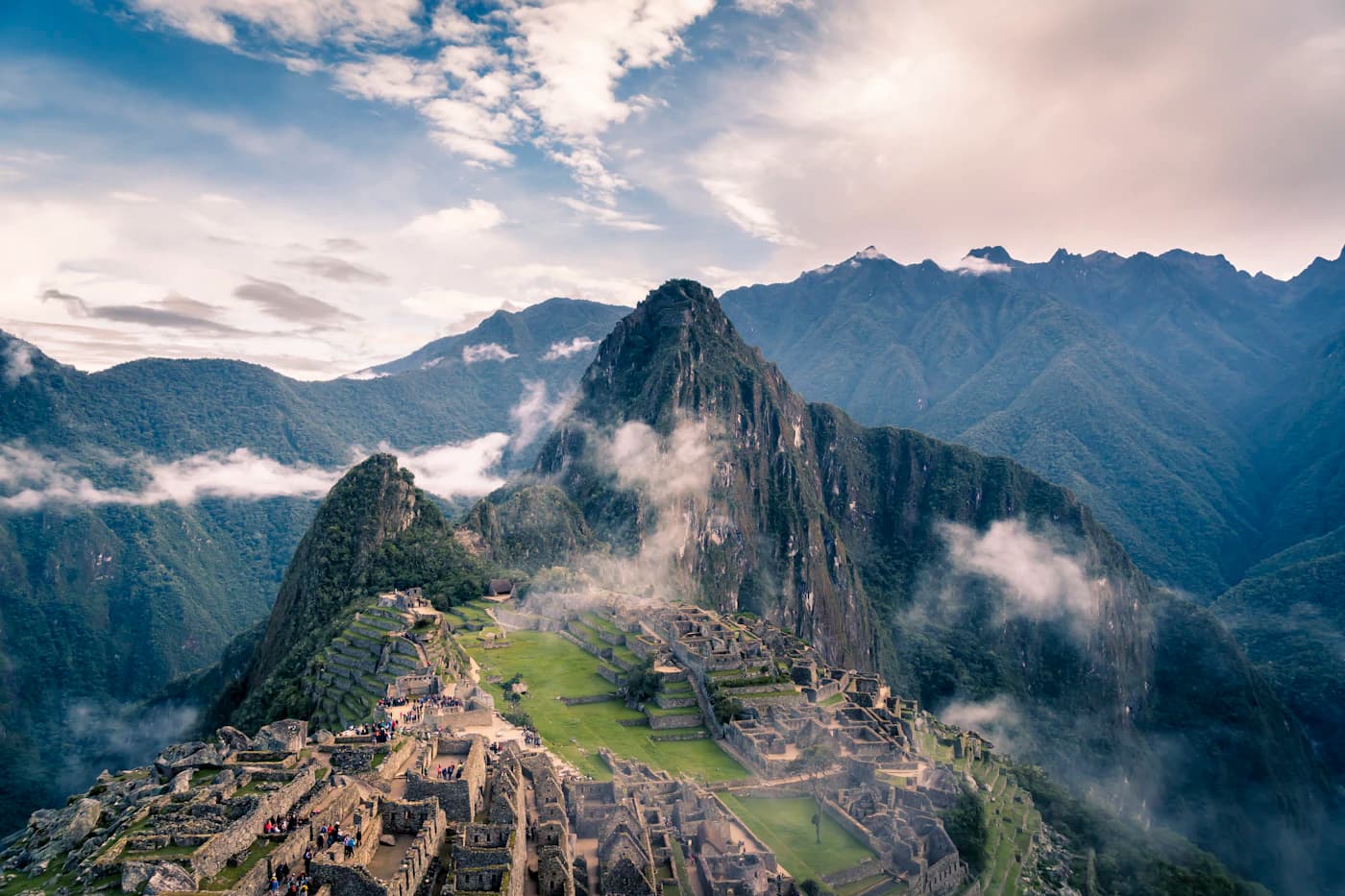
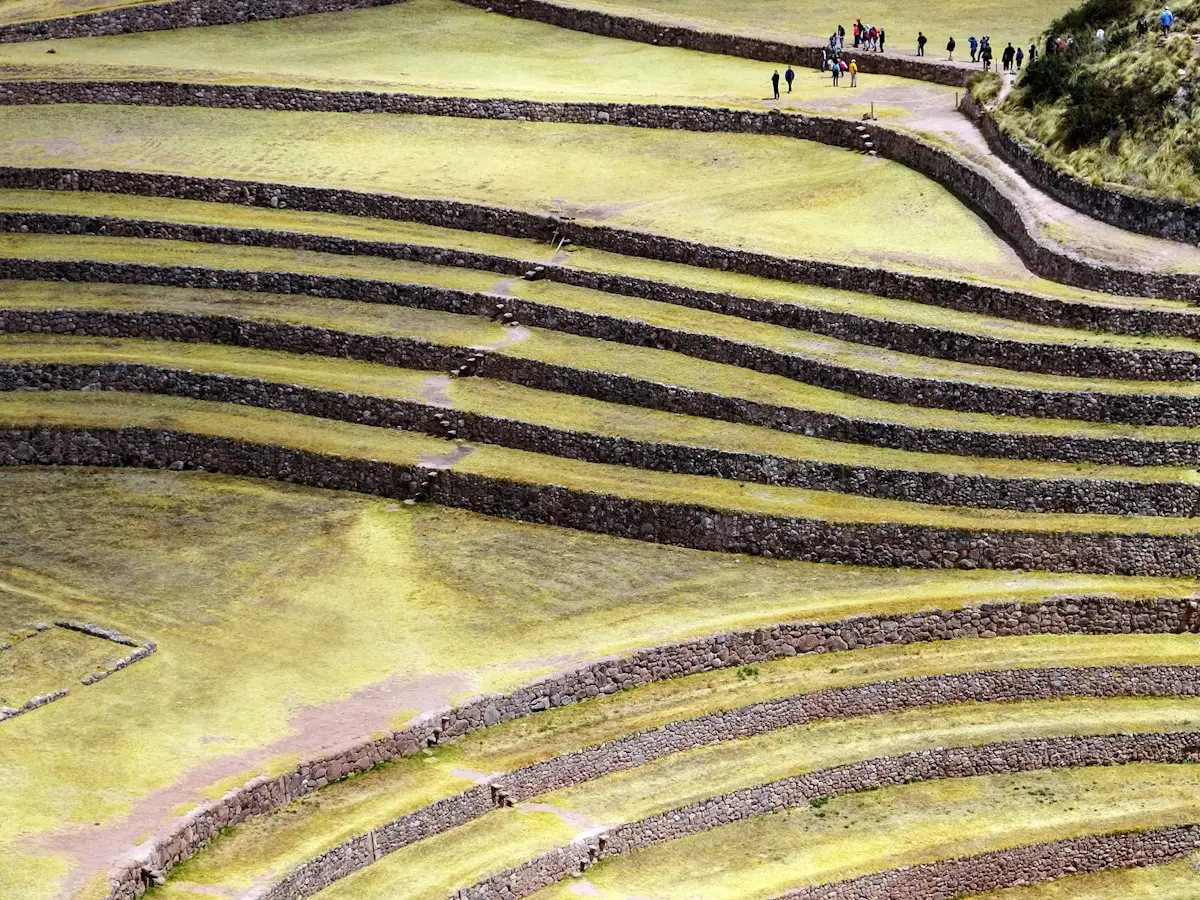
This is the part that surprises people, and it is worth understanding before you price anything. Cusco, at 11,152 feet, is higher than the Sacred Valley at roughly 9,400 feet — and considerably higher than Machu Picchu itself, which sits at 7,972 feet.
So the well-built version of a Peru trip does not land in Cusco and stay there. It lands in Cusco and goes straight down to the Sacred Valley to sleep lower for the first two or three nights, then comes back up once you have adjusted. That is an extra transfer and an extra night or two on the invoice, and it is the best money on the whole itinerary. Losing the first three days of a trip you saved years for is not a saving.
Getting to Machu Picchu
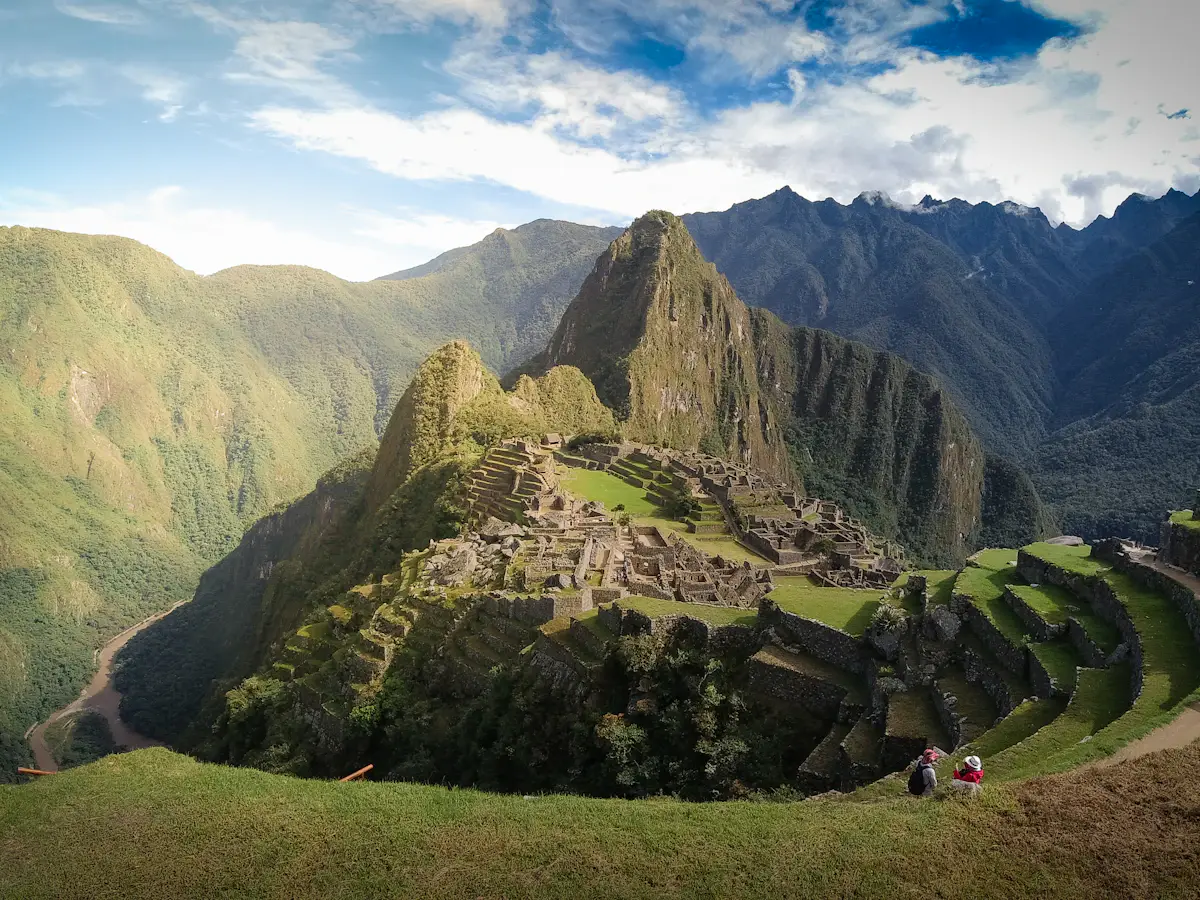
Access is controlled, and it is priced accordingly. You reach the citadel by rail through the Urubamba gorge to Machupicchu Pueblo, then a short bus up the switchbacks. Rail runs in service tiers, and the premium services are a genuinely different journey rather than a wider seat.
Entry is timed and capped. Since June 2024 the site has run on three circuits grouping ten routes, and your ticket names the circuit you are on — you cannot buy a ticket and wander. Re-entry is not permitted, with the single exception of the Machu Picchu Mountain and Circuit 3 combination. The only official place to buy entry tickets is the Ministry of Culture’s own platform, machupicchu.gob.pe; much of what is sold elsewhere is a marked-up resale of exactly the same ticket.
Lodge tier
Peru’s ceiling is high, particularly in the Sacred Valley, in Cusco’s converted colonial mansions, and at the very small number of properties within walking distance of the citadel gates. The gap between an excellent four-star and a landmark property is wide, and both are legitimate choices.
Guiding
The difference between a licensed guide who can read Inca stonework and a driver working from a script shows up inside the first hour. Peru is a country where the guide is a large share of what you actually take home, and it is the last thing worth cutting.
Season
The dry season, roughly May through September, is the classic Andean window and is priced that way, with June to August at the top. April, October and November are quieter, largely dry, and materially cheaper. Our guide to when to travel to Peru goes month by month.
What does that look like by tier?
Per person, land only, for a ten-day trip in shoulder season. These are bands within the published range rather than fixed packages — every Juniper itinerary is quoted from scratch.
| Tier | Per person | What that looks like |
|---|---|---|
| Comfortable | $5,000–7,500 | Sacred Valley, Cusco and Machu Picchu. Excellent four-star stays, private guiding on the key days, rail in a scenic service class. |
| Elevated | $7,500–11,000 | Adds a third region — usually the Amazon or Lake Titicaca. Five-star for part of the trip, a private guide throughout, domestic flights rather than road days. |
| Landmark | $11,000–15,000+ | Top-tier properties throughout, the Amazon done properly rather than as an overnight, premium rail, and private guiding end to end. |
What is included, and what is not?
A Juniper quote covers your accommodation, private guiding and transfers, domestic flights within Peru, rail to Machu Picchu and your timed entry tickets — the pieces that are genuinely awkward to assemble from abroad.
Not included: international airfare, travel insurance, meals not attached to your hotels, gratuities and personal spending. We quote land arrangements as land arrangements rather than presenting a figure that quietly assumes you are not eating dinner.
How do you spend less without gutting the trip?
Travel in the shoulder. April, October and November are the value months in the Andes and are still largely dry.
Cut a region, not a night. Three nights somewhere beats two nights plus a travel day, and costs less. In Peru this is unusually true, because the travel day is often a flight.
Sleep low first. Starting in the Sacred Valley rather than Cusco costs a transfer and repays it in usable days.
Keep the guide. If something has to give, let it be a lodge tier rather than the naturalist or the archaeologist. The guide is what you will remember.
Mix tiers deliberately. A landmark property for the last three nights with excellent mid-tier before it is a better trip than uniform middle.
When do you actually need to book?
Earlier than for most destinations, because the constraint is legal capacity rather than hotel availability. Peru’s Ministry of Culture caps daily admission to the citadel — the standard limit is 2,244 visitors per day, lifted in defined peak windows. Entry is by timed slot on a named circuit, and the best slots in the dry season are spoken for well ahead.
If you want to walk in rather than take the train, the constraint is tighter still. Inca Trail permits are capped daily, issued only through authorised operators, and routinely gone months in advance. There is also a hard closure that catches people out every year: the entire Inca Trail network shuts from 1 to 28 February for maintenance and conservation, reopening on 1 March. The citadel itself stays open throughout — it is the trail network, not Machu Picchu, that closes. If February is your only window, the trip is still very much on; the trek is not.
Is Peru cheaper than a comparable trip elsewhere?
Not dramatically, and that surprises people. At a comparable standard of hotel and private guiding, Peru lands in a similar place to Costa Rica or a well-built two-week Europe trip. Where Peru separates itself is what the money buys: a continuous inhabited history, high-altitude landscape and Amazon rainforest inside a single itinerary, which very few countries can offer at once.
What do you pay Juniper?
The 30-minute consultation is complimentary and carries no obligation. If you decide to go ahead, a $100 planning deposit begins your custom itinerary and is credited against your trip; everything after that is quoted transparently before anything is booked.
Planning yours
A useful number comes from a real conversation about which regions suit you, how much altitude you want to take on, and how you would rather move between them. That is where a custom Peru trip starts.
See the Grand Tour of Peru for a fully built route. For the decisions either side of this one, our guides to visiting Machu Picchu, when to travel and Peru honeymoons cover the rest.
Peru is designed by Allison Tucker and Cherisse Liptzin — book a call.