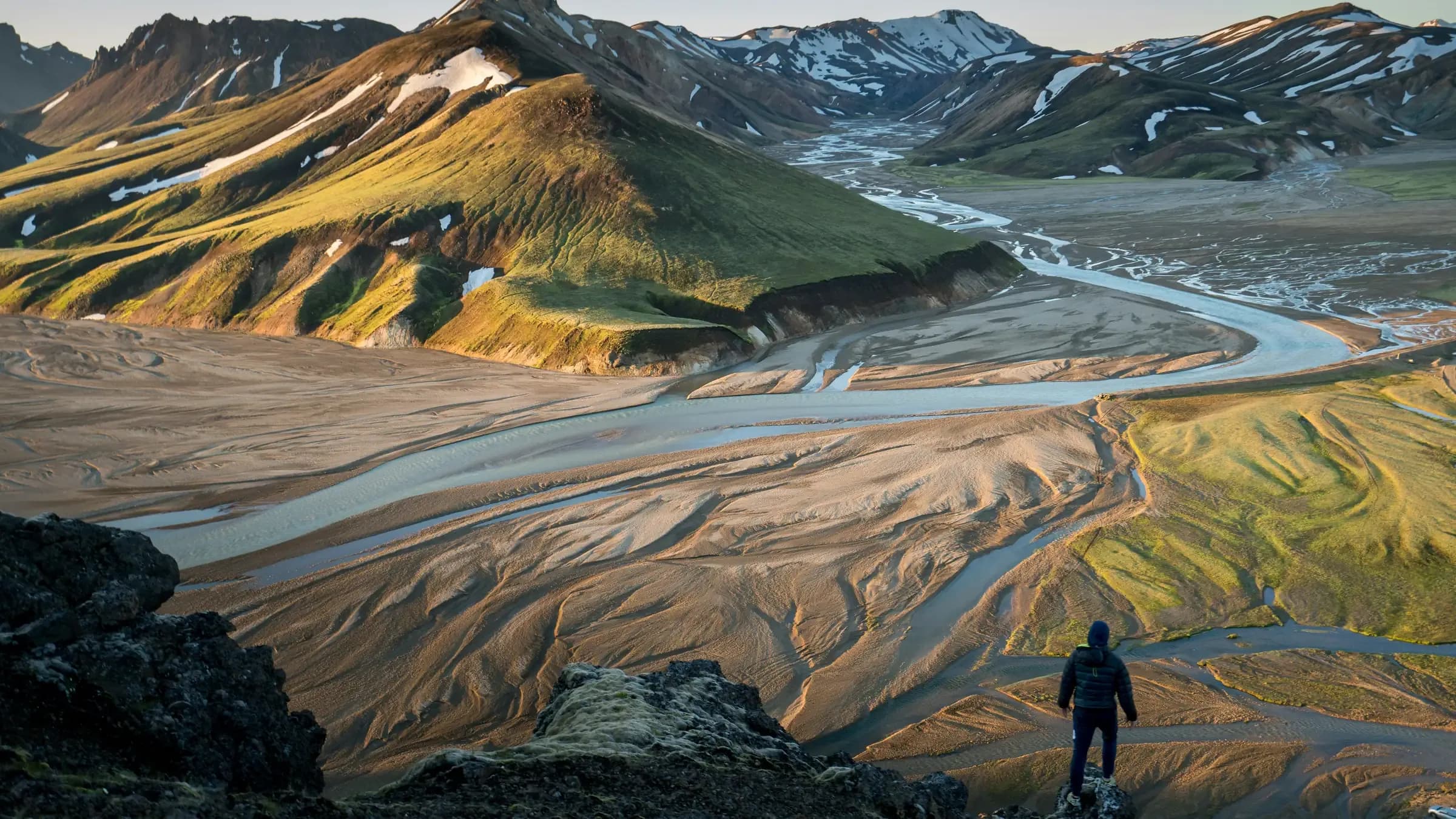

Iceland is best for natural wonders — waterfalls, glaciers, volcanoes, geothermal pools and the northern lights. Most visitors start with the Golden Circle and the South Coast, then add the north, the Westfjords or the Highlands. This guide covers what to see, when to go and how to get around, with links to our detailed guides.
What are the must-see sights in Iceland?
- The Golden Circle — Thingvellir National Park, the Geysir geothermal area and Gullfoss waterfall.
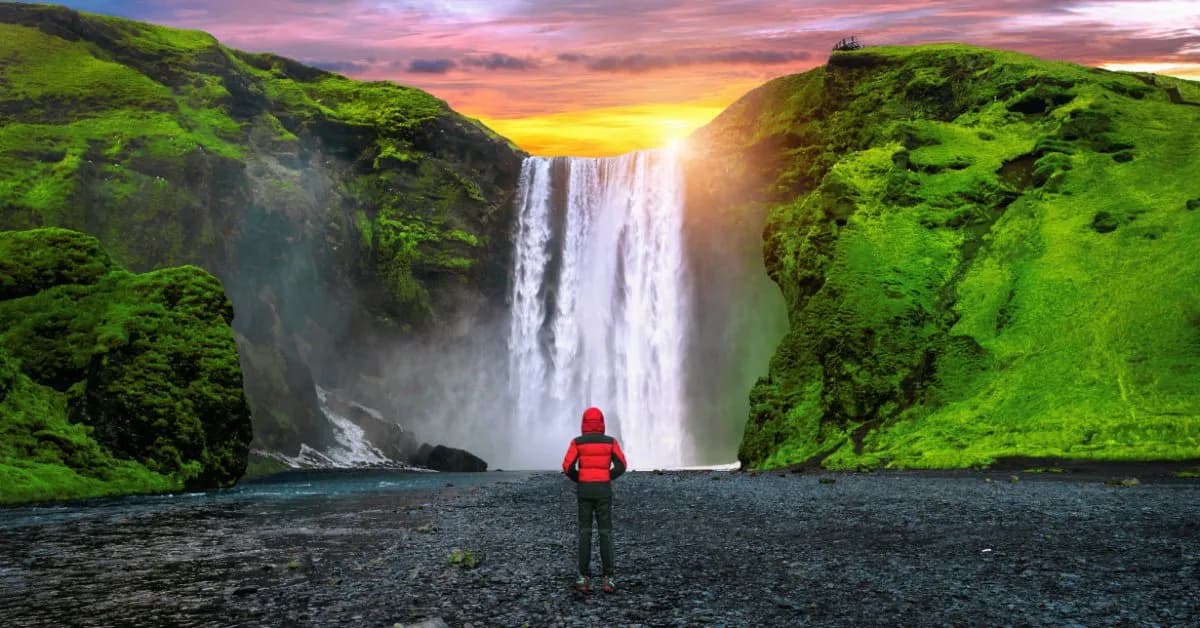
- The South Coast — Seljalandsfoss and Skógafoss waterfalls and the black-sand beach at Reynisfjara.
- Jökulsárlón — a glacier lagoon full of icebergs, next to Diamond Beach.
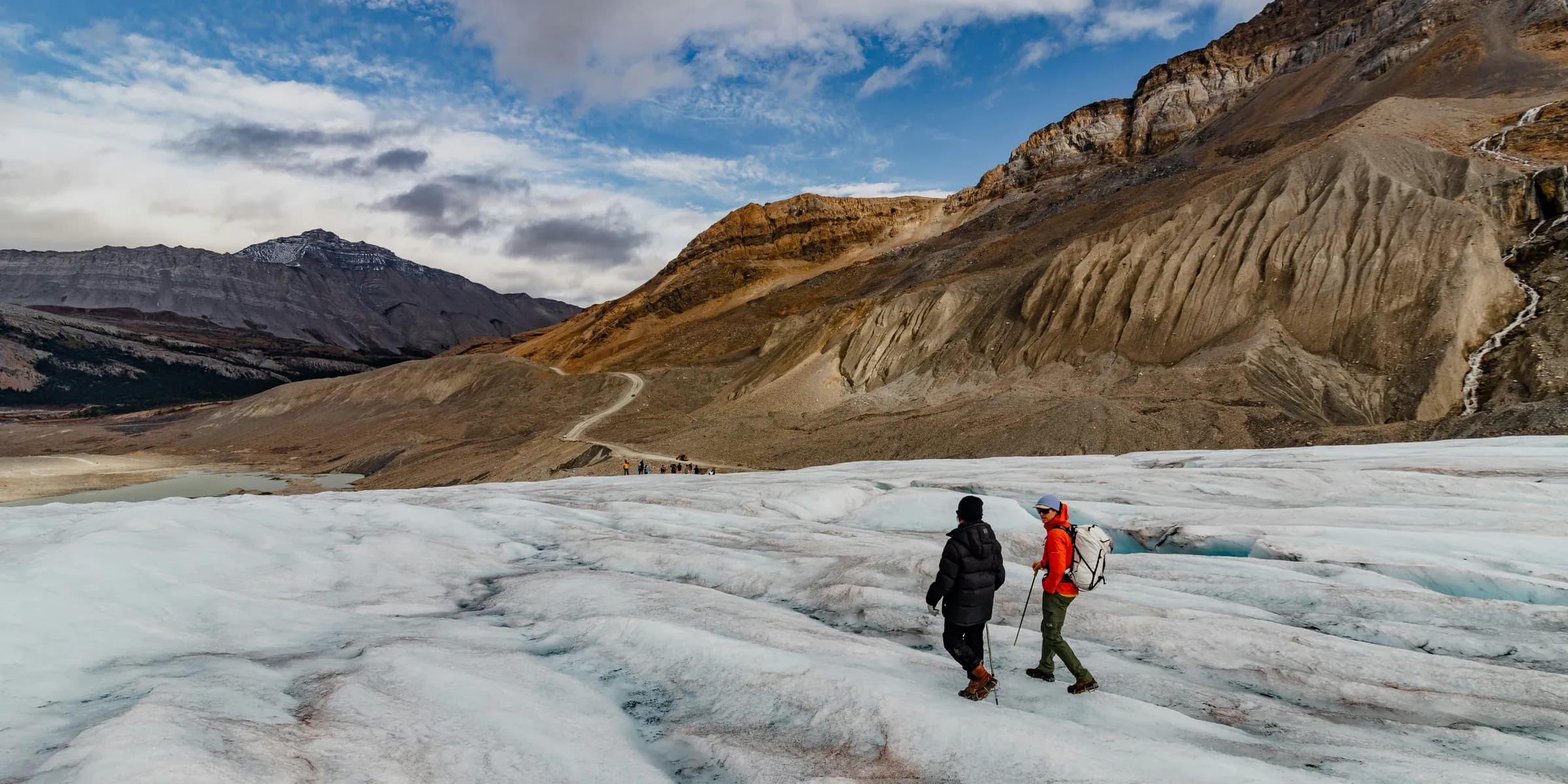
- Vatnajökull National Park — Iceland’s largest national park, with glacier hikes and ice caves.
- The north — Akureyri, Lake Mývatn and Dettifoss.
For trip ideas, see the best Iceland tours and our guide to the Ring Road.
What can you do in Iceland?
- Glacier hiking and ice caves — with a certified guide; ice caves are a winter activity. See our guide to the best things to do in Iceland.
- Whale watching — from Reykjavik or, in the north, from Húsavík.
- The northern lights — roughly September to April. See northern lights tours.
- Geothermal pools — from famous lagoons to local swimming pools. See Iceland’s spas and hot springs.
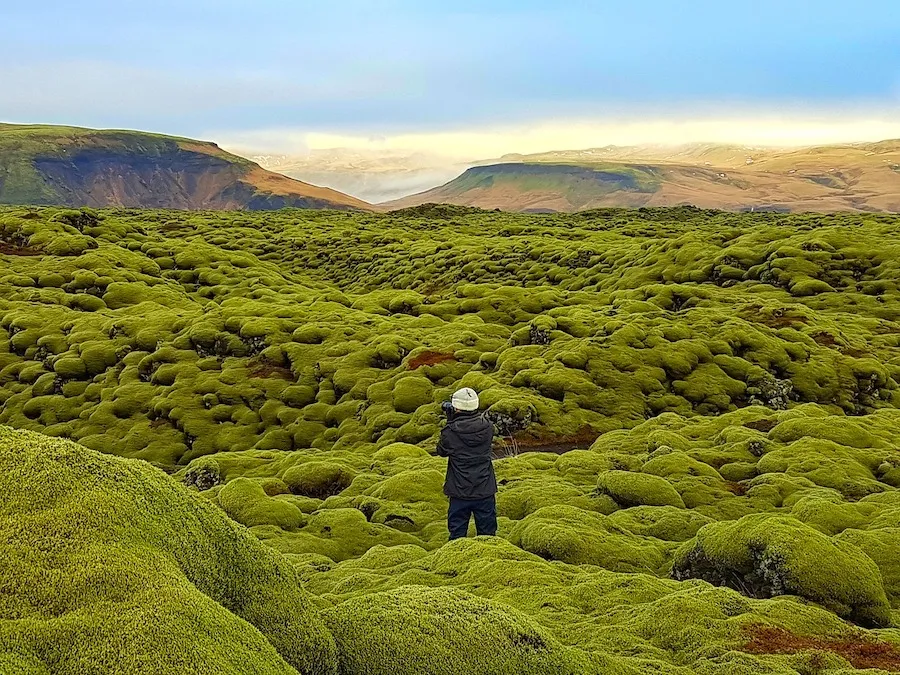
- Volcano country — see how many volcanoes Iceland has and why it’s called the land of fire and ice.
What is Reykjavik like?
A small, walkable capital with a big arts and music scene, good restaurants and the landmark Hallgrímskirkja church. Most trips start and end here, and it is a good base for day trips. Read more in our Reykjavik guide.
What food should you try in Iceland?
Lamb soup, fresh fish and langoustine, skyr, rye bread baked in the geothermal ground, and hot dogs from a Reykjavik stand. The brave can try hákarl (fermented shark), traditionally eaten at the midwinter Þorrablót feast.
When is the best time to visit Iceland?
June to August for long days, open Highland roads and puffins; November to March for snow, ice caves and the northern lights. See the best time to visit Iceland, and our calendar of Iceland’s holidays and festivals.
How do you get around Iceland?
By rental car or with a private driver-guide — there are no trains. In summer, driving yourself is straightforward on the main roads; in winter, weather can close roads, so a guide is the safer choice. See our guide to self-driving tours in Iceland.
Where should you stay in Iceland?
Countryside hotels and lodges are the best base for the northern lights and for touring the south and north. For something special, try a glass igloo or a hotel with its own geothermal pool.
How many days do you need in Iceland?
Three to four days covers Reykjavik, the Golden Circle and the South Coast. A week lets you add the Jökulsárlón glacier lagoon or the Snæfellsnes Peninsula without long driving days. With ten days or more you can drive the full Ring Road, about 1,332 km, at a comfortable pace. See our Ring Road guide and things to do in Iceland.
What is the weather like in Iceland?
Milder than its name suggests, thanks to the Gulf Stream, but famously changeable. Summer daytime temperatures in Reykjavik are usually around 10–15°C (50–59°F), and winter days hover around freezing. Wind and rain shape the day more than temperature, so check the forecast each morning and keep plans flexible.
What should you pack for Iceland?
Pack layers whatever the season: a warm base layer, a fleece or down mid-layer, and a waterproof, windproof jacket and trousers. Waterproof walking boots with good grip are essential for waterfalls, black-sand beaches and glacier walks. Bring a swimsuit for the geothermal pools and, in winter, a hat, gloves and slip-on ice cleats. The weather can change several times in a day, so plan to adjust rather than to avoid it.
How much does a trip to Iceland cost?
Iceland is one of Europe’s more expensive destinations, especially for hotels, food and car hire. As a guide, a private, custom Juniper Tours trip to Iceland usually runs about $5,000 to $15,000+ per person, depending on the season, length and hotel style. Our Iceland trip cost guide breaks the numbers down.
What currency is used in Iceland, and should you tip?
Iceland uses the Icelandic króna (ISK). Cards are accepted almost everywhere, even for small purchases, so many travelers carry little or no cash. Tipping is not expected: service is included in prices, though you are welcome to tip a guide or server for exceptional service.
Is Iceland safe for travelers?
Iceland has very low crime, and the main risks come from nature. Respect road closures and weather warnings, keep well back from the waves at Reynisfjara, and go onto glaciers or into ice caves only with a certified guide. Check road conditions at road.is and travel alerts at safetravel.is before driving.
Do you need a visa to visit Iceland?
Iceland is in the Schengen Area, so US citizens can visit for up to 90 days in any 180-day period without a visa. Your passport should be valid for at least three months beyond your planned departure date. Entry rules change, so check travel.state.gov before you go, including the EU’s upcoming ETIAS travel authorization.
Plan your Iceland trip
Explore our Iceland tours or book a free consultation — every Juniper Tours trip is private and built around you.
Planning a trip to Iceland
Juniper Tours designs private, custom Iceland itineraries — never group tours, never fixed departures. Most run 7–12 days and fall between about $5,000 and $15,000+ per person, with hand-selected 4- and 5-star stays, private guides and transfers arranged end to end. Planned by Taryn Harrison and Cherisse Liptzin. The 30-minute consultation is free; a $100 planning deposit begins your itinerary. See our private Iceland tours →