
The best things to do in Iceland are the Golden Circle, the South Coast’s waterfalls and black-sand beaches, the Jökulsárlón glacier lagoon, a soak in a geothermal pool and, in winter, the northern lights. Add a glacier hike, an ice cave, whale watching or snorkeling at Silfra, and you have the core of a first trip. This guide covers the must-see sights region by region, then the best activities, and when to go for each.
What are the must-see attractions in Iceland?
The Golden Circle
Iceland’s classic loop is an easy day trip from Reykjavik with three headline stops:
- Þingvellir National Park — a UNESCO World Heritage Site in the rift valley between the North American and Eurasian plates, and where Iceland’s parliament, the Alþingi, was founded in 930.
- Geysir — the geothermal field where Strokkur erupts every 5–10 minutes.
- Gullfoss — a two-tier waterfall on the Hvítá river, dropping into a deep canyon.
Our Golden Circle itinerary builds a private trip around it.
The South Coast
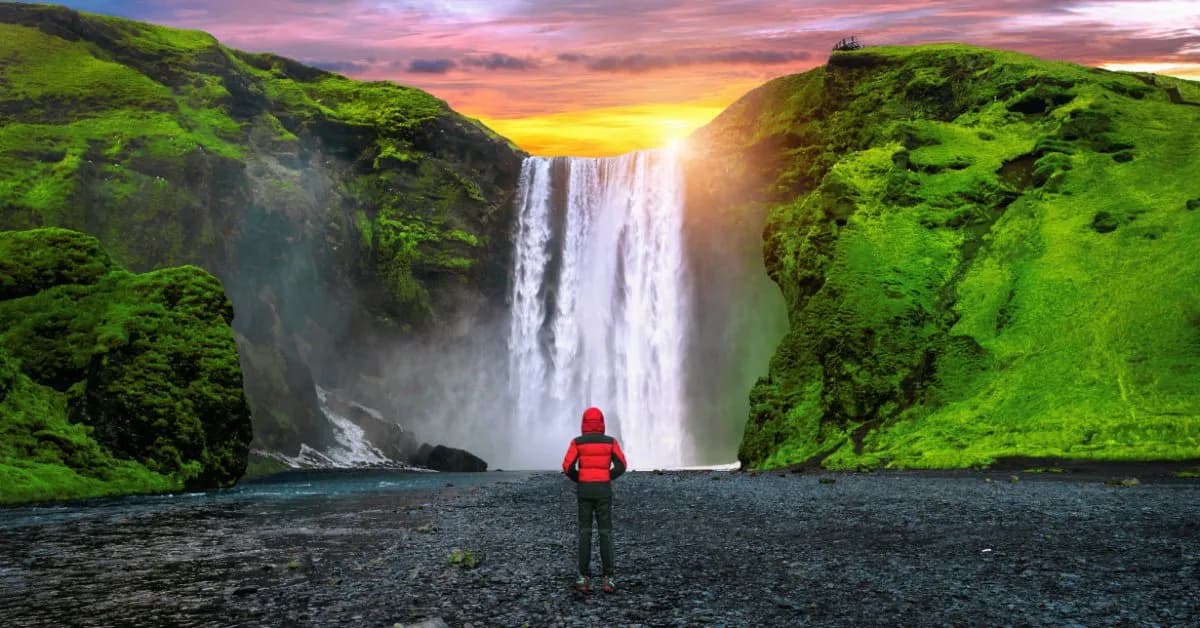
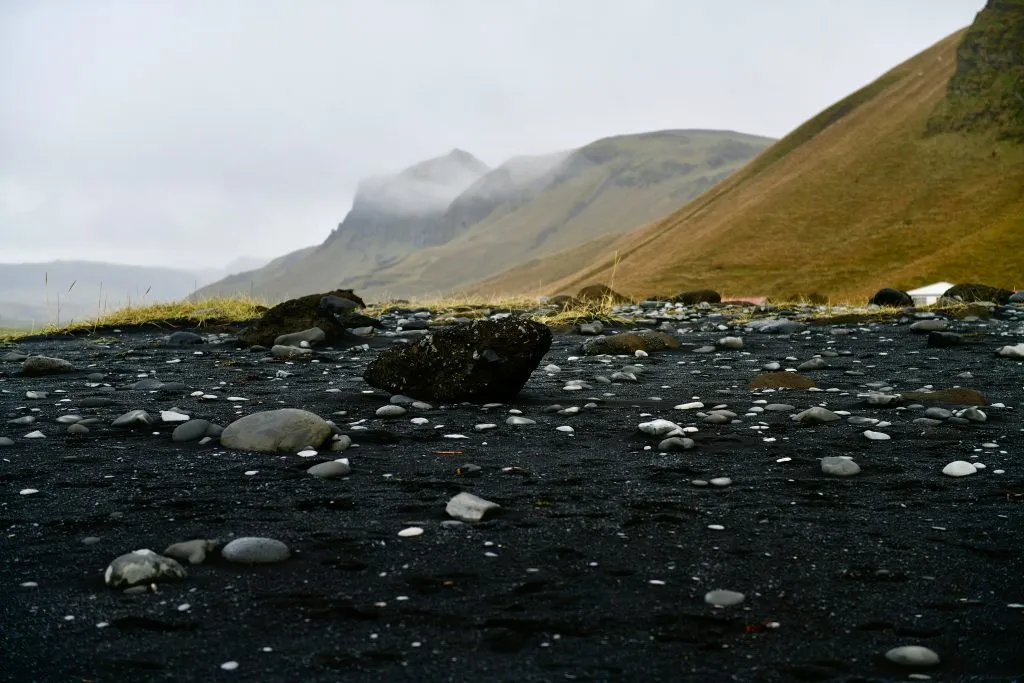
The most visited stretch of Iceland, and for good reason. At Seljalandsfoss a path loops behind the falling water. Skógafoss, about 60 meters high, is a wall of spray you can walk right up to. Further east, Reynisfjara near Vík has black sand, basalt columns and sea stacks — and dangerous sneaker waves, so keep well back from the water.
Jökulsárlón and Diamond Beach
Icebergs calve off Breiðamerkurjökull, a tongue of Vatnajökull, into this glacier lagoon, where seals often swim between them. Across the road, the ice washes up on the black sand of Diamond Beach. Boat tours run on the lagoon in the warmer months.
Vatnajökull and Skaftafell
Vatnajökull is Europe’s largest glacier by volume, and the national park around it is the base for glacier hikes and winter ice caves. In Skaftafell, a short hike leads to Svartifoss, a waterfall framed by black basalt columns.
The Blue Lagoon and geothermal pools
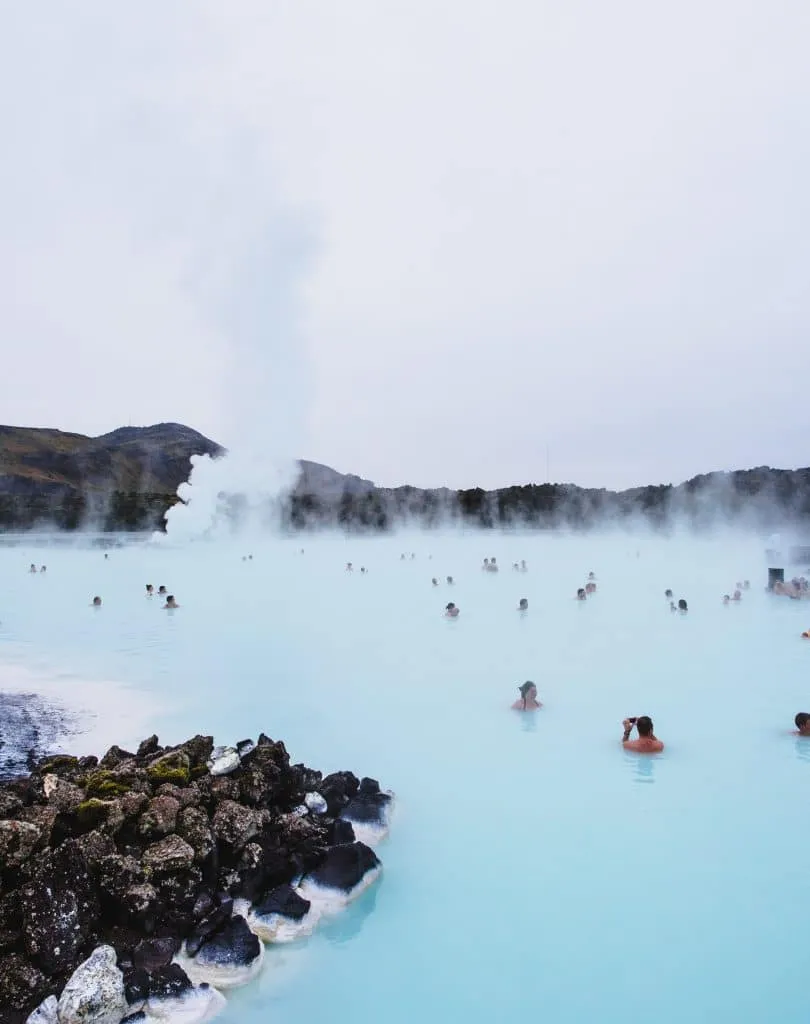
The milky-blue Blue Lagoon, near Keflavík airport, is known for its silica mud. Eruptions on the Reykjanes Peninsula have closed it at times, so check before you go. Quieter alternatives include the Secret Lagoon at Flúðir on the Golden Circle and the Mývatn Nature Baths in the north. See our guide to Iceland’s spas and hot springs.
Reykjavik
The capital is small and walkable. Climb the tower of Hallgrímskirkja for the view, see a concert at the glass-walled Harpa, and leave time for the harbor, museums and restaurants. Read our guide to discovering Reykjavik.
Snæfellsnes Peninsula
Often called “Iceland in Miniature” for packing so much into one peninsula: the much-photographed Kirkjufell mountain, black and golden beaches, lava fields, fishing villages and Snæfellsjökull, the glacier-capped volcano of Jules Verne’s Journey to the Center of the Earth.
North Iceland
Lake Mývatn is ringed by craters, lava formations and steaming vents. Dettifoss, often described as Europe’s most powerful waterfall, thunders into a canyon nearby. Húsavík is one of Iceland’s best bases for whale watching.
The Westfjords and the Highlands
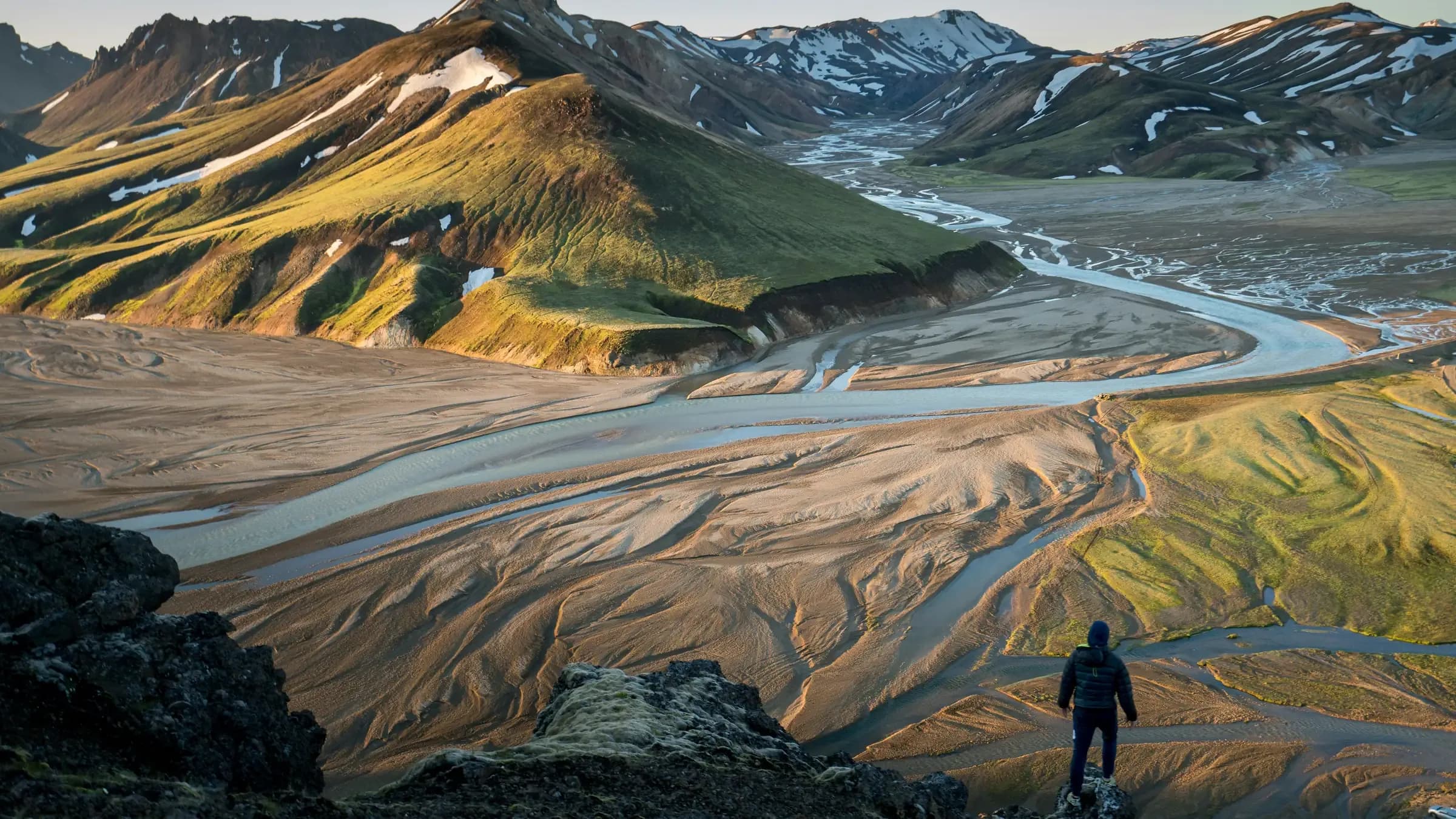
For travelers who want to escape the crowds. The remote Westfjords have Dynjandi waterfall, the Látrabjarg bird cliffs and quiet fjords to kayak. The volcanic Highlands — Landmannalaugar’s colored rhyolite mountains and the Askja caldera — open only in summer and only by 4×4; see our Highlands expedition.
What are the best things to do in Iceland?
See the northern lights
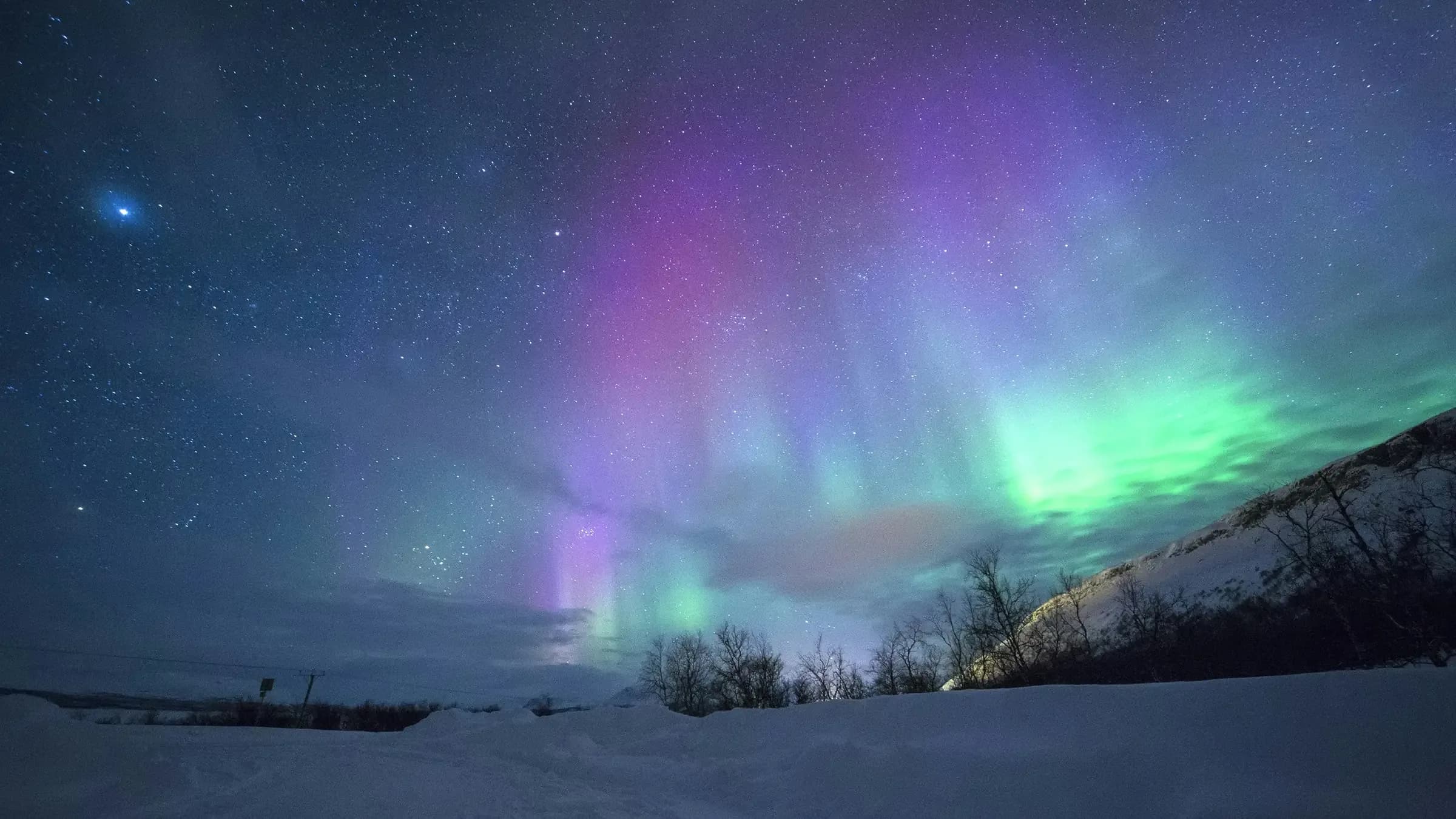
From roughly September to April, clear and dark nights give a chance of the aurora. Stay outside towns, keep several nights free and watch the cloud forecast. See our guide to northern lights tours in Iceland, or watch from bed in a glass igloo.
Hike on a glacier
Glaciers cover about 11% of Iceland. With a certified guide, crampons and an ice axe, you can walk on Sólheimajökull, near the South Coast, almost year-round, or on outlet glaciers of Vatnajökull. Many tours add ice climbing.
Explore an ice cave
Natural ice caves form inside Vatnajökull and are usually safe to visit only from about November to March, always with a specialist guide. Langjökull also has a man-made ice tunnel that is open year-round.
Snorkel or dive at Silfra
In Þingvellir National Park, you can float through glacial meltwater in a fissure between two tectonic plates, with visibility that can exceed 100 meters. Read our Silfra fissure guide.
Go river rafting
The Hvítá near Gullfoss is a gentle, mostly Class II river that suits beginners and families. The East Glacial River (Austari-Jökulsá) in the north is a serious Class IV run for experienced paddlers.
Hike near a volcano
Iceland’s volcanoes are the backdrop for some of its best hikes. The Fimmvörðuháls trail runs from Skógar to Þórsmörk, crossing lava from the 2010 eruption, and guides lead hikes up Hekla in summer. Learn how many volcanoes Iceland has and why it is called the land of fire and ice.
Watch whales, puffins and Icelandic horses
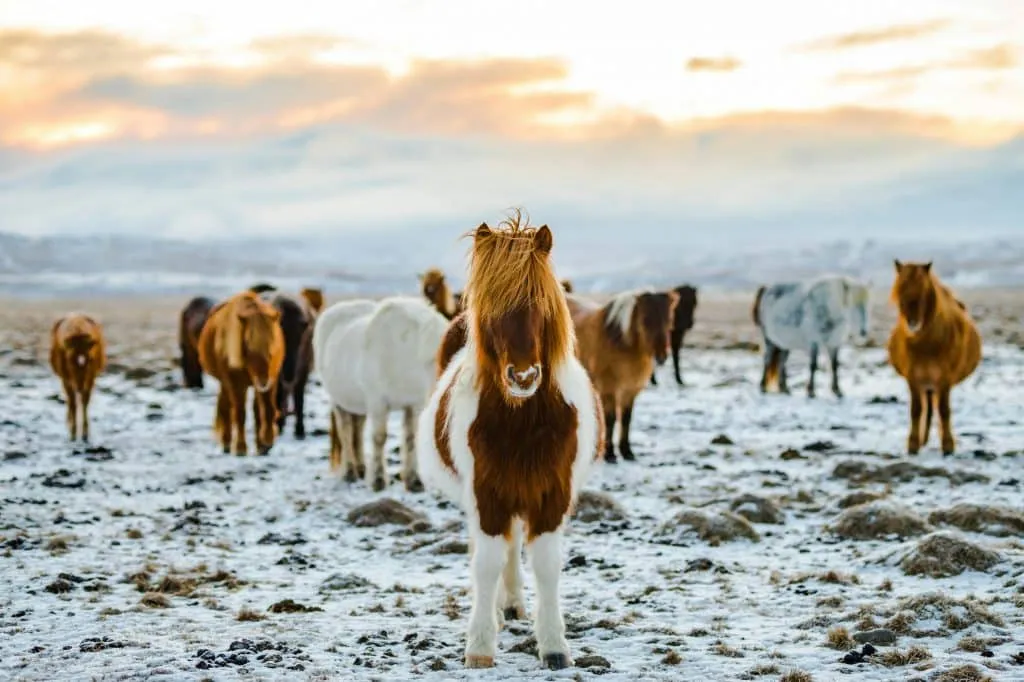
Whale-watching boats leave from Húsavík, Akureyri and Reykjavik. Puffins nest on sea cliffs from about May to August. And a ride on a sure-footed Icelandic horse, with its smooth tölt gait, is a favorite with families.
Drive the Ring Road
Route 1 circles the island for about 1,332 km. Allow at least 7–10 days to drive it without rushing. Read our guides to Iceland’s Ring Road and self-driving tours in Iceland.
What is the best time to visit Iceland?
Summer (June to August) brings very long days, open Highland roads, puffins and the best hiking. Winter (November to March) brings ice caves and the best chance of the northern lights, but short days and harder driving. Spring and autumn are quieter. See the best time to visit Iceland and Iceland’s holidays and festivals.
How many days do you need in Iceland?
Three to four days covers Reykjavik, the Golden Circle and the South Coast. A week adds Jökulsárlón and Vatnajökull or the Snæfellsnes Peninsula. Ten days or more lets you drive the full Ring Road. Our itineraries range from the 7-day Fire & Ice tour to the 10-day self-drive tour.
Is Iceland good for families?
Yes. Geothermal pools, short waterfall walks, horse riding and whale watching all work well with children. On a private trip you set the pace and can skip the long driving days.
Plan your trip to Iceland
Compare the best Iceland tours, read our Iceland travel guide, explore our private Iceland tours, or book a free consultation with our Iceland specialist.